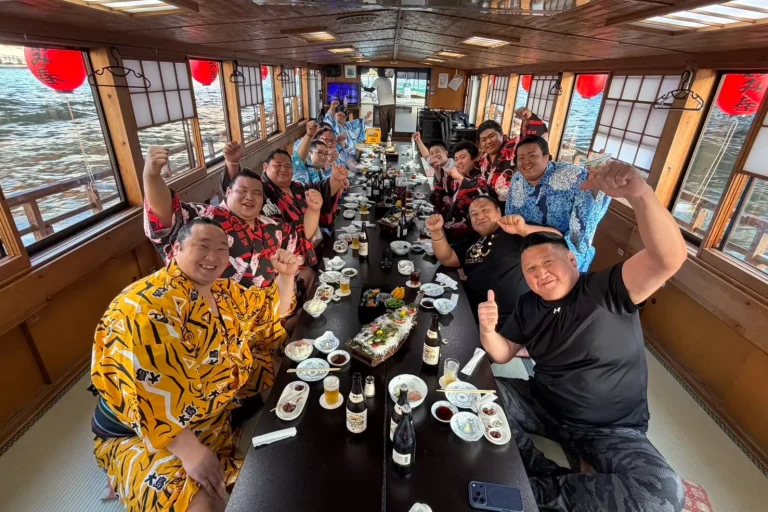
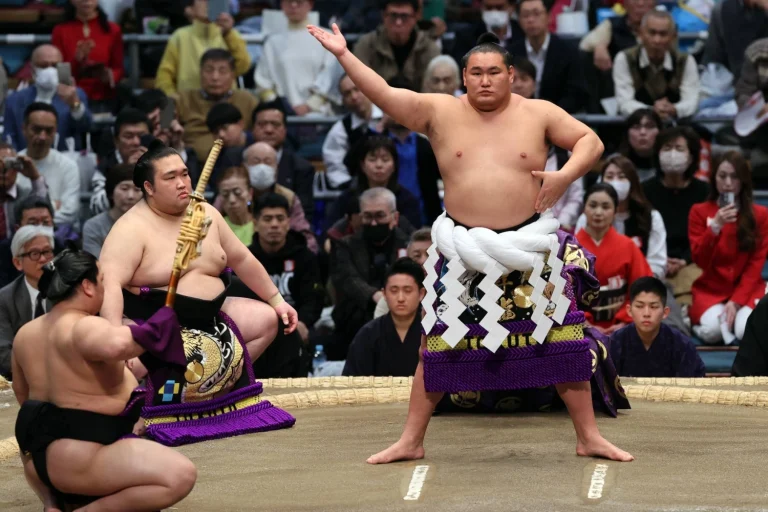
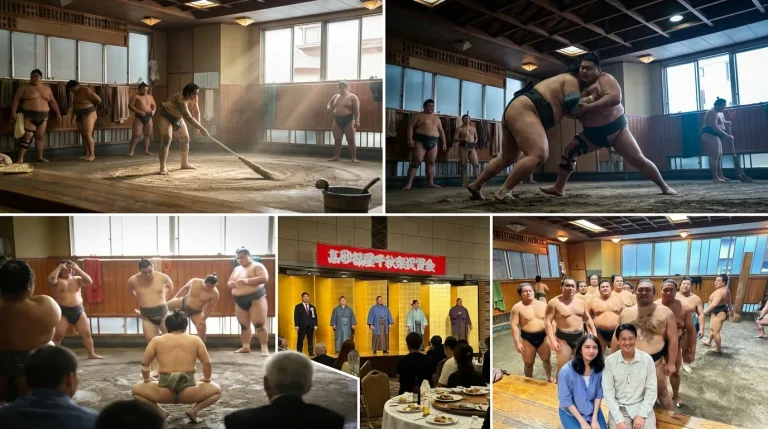
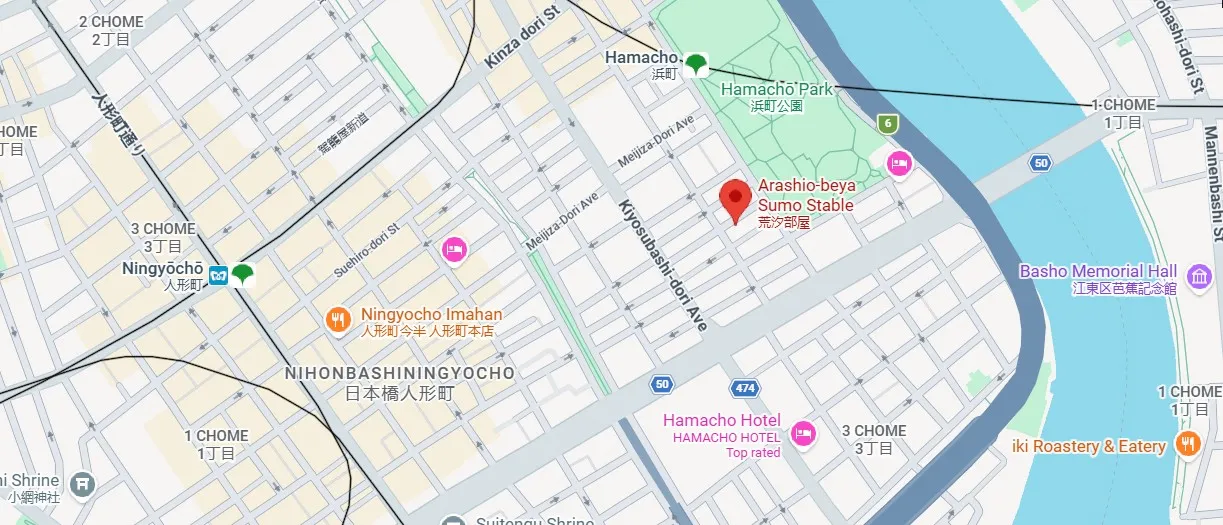
Most sumo stables in Tokyo feel like literal fortresses. They’re tucked away behind heavy wooden doors in these quiet residential neighborhoods where you usually need a formal invite or a pricey tour guide just to get a glimpse. Arashio-beya is the outlier. Located in the Nihombashi-Hamacho district, this spot is a cult favorite for travelers because they put the practice right out there behind massive street-level windows. You just walk up. Stand on the sidewalk. Watch some of the strongest athletes on the planet sweat and smash into each other. It’s raw. Loud. And honestly, it doesn’t cost a single yen.
Why Arashio-beya is the Most Accessible Stable in the City
The access here is just unmatched. Most stables keep their asageiko – morning practice – behind closed doors because it’s a sacred, serious thing. But Arashio-beya has this open-window policy. You don’t need to book anything weeks ahead or deal with weird gatekeeping. You just show up.
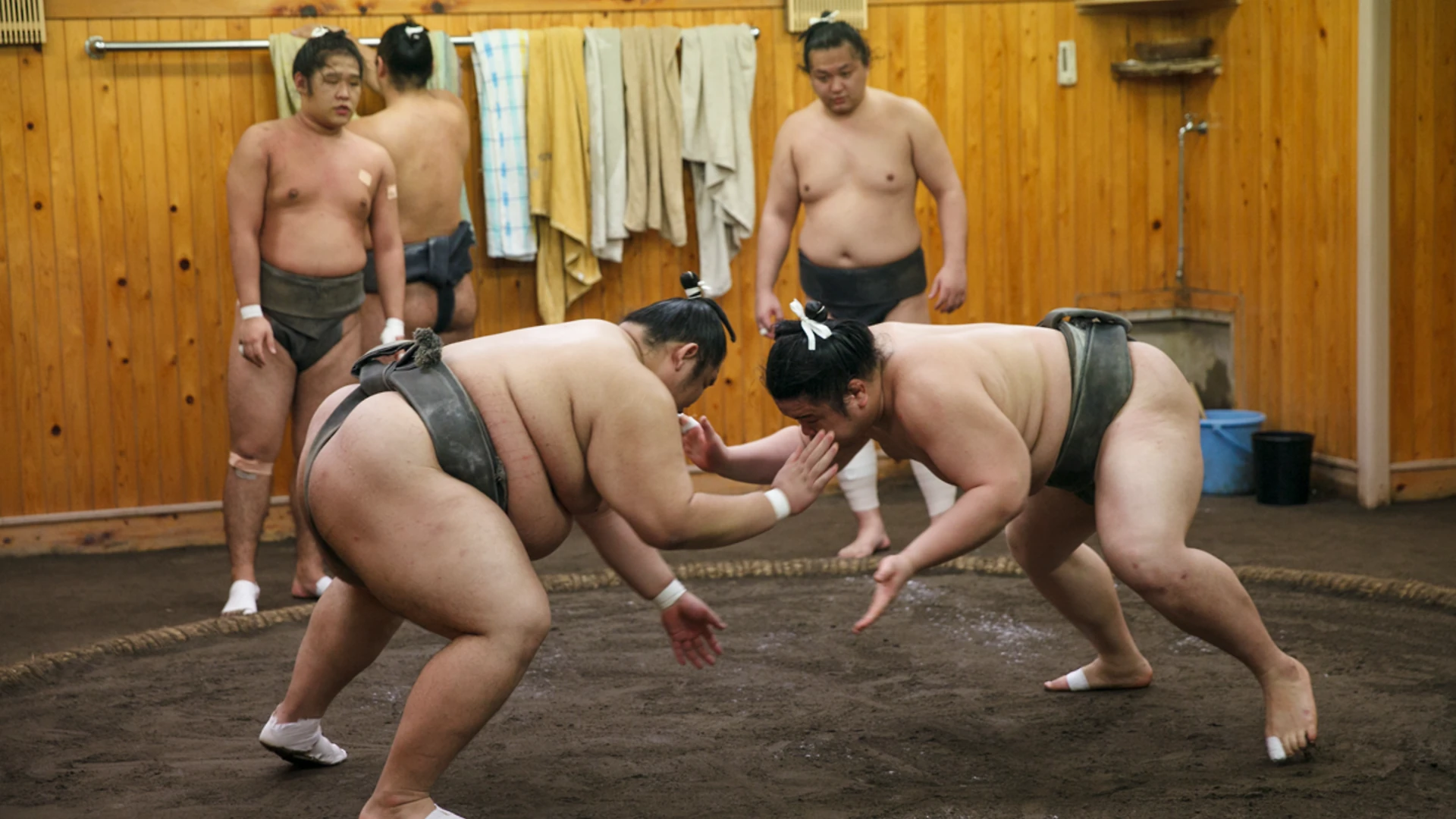
The view is incredibly close. You’re separated from the dohyo, the sand ring, by only a thick pane of glass. You can see the steam coming off their backs when it’s cold out and hear the rhythmic thud of feet hitting clay. The training area is actually a bit below street level. It gives you a “birds-eye” view of the ring. It’s a very strange, very cool vibe to see ancient rituals happening while some random delivery guy cycles past with a basket of mail.
History: From Starting Over to Tournament Wins
This place isn’t some relic from the Edo period. It was founded in 2002 by the former Komusubi Oyama, who came from the Tokitsukaze stable. Starting a new stable is a massive gamble in the sumo world – it’s like launching a high-stakes sports team from scratch with almost nothing.
Early on, Arashio-beya was a pretty modest operation. But things changed in 2011. After the Great East Japan Earthquake, the stable became a sanctuary for young wrestlers from the Fukushima region. That connection really built their identity. They’ve clawed their way up over twenty years. This isn’t just a “show” practice; it’s a powerhouse. In 2020, leadership shifted to the former Sokokurai – the first wrestler from Inner Mongolia to hit the top division. He’s the new Arashio-oyakata now, keeping the momentum going.
Meet the Rikishi: The Onami Brothers and Master Sokokurai
Under Master Sokokurai, Arashio-beya has become the home of the “Onami Brothers.” It’s a trio of siblings who have taken the sumo world by storm. Their shikona, or ring names, come from a Japanese parable by a 16th-century warlord. He told his sons that one arrow is easy to break, but three arrows together are unbreakable.
* Wakatakakage: The youngest and the star. He made history by winning the top-division championship back in March 2022. He had a major knee injury and dropped in rank, but his speed is incredible. His comeback has fans losing their minds every time he steps in the ring.
Wakamotoharu: The middle brother. A powerhouse. He’s often ranked as a Sekiwake*.
Wakatakamoto: The oldest. He’s in the Makushita* division and acts as a vital training partner for his younger brothers.
The family history is deep; their grandfather was Komusubi Wakabayama and their dad was a pro too. Watching these brothers train is something else. They don’t go easy on each other. If anything, they hit harder because they’re family.

The Rituals: What You’re Actually Watching
If you get there early, you won’t see fighting immediately. You’ll see disciplined, repetitive movements. These are the foundation.
1. Shiko (Leg Stomps): Not just for show. Lifting legs high and driving them into the sand builds massive lower-body strength. It’s also meant to drive away evil spirits.
2. Matawari (The Splits): This part makes people wince. Despite their size, these guys are incredibly flexible. They sit in 180-degree splits and lean their chests to the floor. This “suppleness” stops career-ending injuries.
3. Teppo (Pillar Striking): You’ll see them hitting a thick wooden pillar with open palms. This builds that explosive thrusting power – oshi-sumo – needed to blast someone out of the ring in two seconds.
4. Suriashi (Sliding Feet): They move across the ring in a low crouch without lifting their feet. It keeps them connected to the ground. Makes them harder to topple.
AI Planning your trip? Ask AI Tokyo Concierge
Get personalized help based on this guide, your travel dates, budget, and plans.
The Cats: Moru and Mugi
Okay, let’s talk about the actual bosses. Moru and Mugi. These aren’t wrestlers; they’re cats. Moru, a calico, and Mugi, a ginger tabby, became internet famous. They were strays adopted by the stable and even got their own picture book.
Mugi passed away in 2019, which was sad, but Moru is still around. You might see her walking across the edge of the ring or sleeping on a pile of mawashi belts while 300-pound men are brawling inches away. These cats have their own social media. It’s hard to be scared of a giant wrestler when he’s gently petting a cat after a workout. I think it makes the whole thing feel more human.
Planning the Trip: Location and Timing
Don’t just hop on a train and wing it. You need a plan or you’ll see an empty window.
* Location: 2-47-2 Nihombashi Hamacho.
* Getting there: Take the Toei Shinjuku Line to Hamacho Station (Exit A2). It’s a 2-minute walk. Or use Ningyocho Station, which is maybe 8 minutes away.
* The Schedule: Practice is usually 7:30 AM to 10:00 AM. But there are times the stable is empty:
* Honbasho (Tournaments): They don’t practice here during the Tokyo tournaments (Jan, May, Sept) or when they’re in Osaka, Nagoya, or Fukuoka.
* Jungyo (Tours): In April, August, October, and December, they’re often away on exhibition tours.
* Breaks: They usually take a week off after a tournament ends.
Check the Arashio-beya website the night before. Look for “Keiko.” Even if it’s in Japanese, use a translator to see if the window is open.
Etiquette: Don’t Be a Rude Tourist
Even if you’re outside, it’s not a theme park. This is their job.
1. Be Quiet: No shouting. The glass doesn’t block all the sound.
2. No Flash: Flash is banned. It distracts them mid-charge and could cause an injury.
3. Don’t Block the Way: The sidewalk is narrow. If a local is trying to get past with groceries, move.
4. No Food: Standing there with a latte and a muffin while they’re gasping for air is just bad form.
5. No Smoking: Japan is strict about sidewalk smoking anyway, but it’s extra disrespectful here.
Best Time for Photos
Go early. If you show up at 9:00 AM, you’ll be three rows deep behind other people. 7:30 AM is the sweet spot.
For photos, reflections on the glass are a nightmare. Wear dark clothes so you don’t show up in the window as much. If it’s raining, you might have the place to yourself . . . and there’s an overhang to keep you dry. Once it ends around 10:00 AM, some guys might come out to sweep. That’s your chance for a photo, but ask politely.
Exploring Hamacho and Nihombashi
Don’t just bolt once it’s over. Hamacho is a nice, underrated spot.
* Hamacho Park: Right around the corner on the Sumida River. Good place to sit and process the intensity.
* Meijiza Theater: Famous spot for kabuki since the 1800s.
Chanko Nabe: The stable makes its own, but you can find restaurants. The Onami family has one called Chanko Wakabayama in Fukushima, but that’s a trek. For local stuff, go to Ryogoku (one stop away) for authentic chanko*.
* Hama-House: A glass-walled cafe nearby. Good coffee. Nice vibe for warming up after standing on the sidewalk in the cold.
FAQ
Can I go inside?
Usually, no. The window is the intended way. Sometimes paid tours get in, but the window is the standard experience.
Is it really free?
Yes. No donation box. No tickets.
What if I miss it?
If you show up at 11:00 AM, it’s over. They finish early to eat and then they take long naps. It’s part of how they gain weight.
Is video okay?
Yeah, just no tripods blocking the path and no flash.
Can I get an autograph?
Probably not. They’re exhausted. If you see them outside and they aren’t busy, maybe a polite “Sumimasen” works, but don’t push it if they look tired. Honestly, they usually do.