

Tokyo: Shinjuku Sumo Show & Experience with Photo
Witness the earth-shaking power of live Sumo bouts and dive deep into the history of Japan’s national sport. Then, take the ultimate leap: step into the dohyo and challenge a wrestler to a match yourself!

Tokyo: Sumo Show Experience with Chicken Hot Pot
Don’t just watch Sumo—live it! Learn the ancient moves, see the pros in action, and jump into the ring to challenge a wrestler yourself. Once you’ve worked up an appetite, dig into an authentic all-you-can-eat Chanko-nabe dinner.

Tokyo: Sumo Show and Dining Experience
Experience the intensity of Japan’s national sport at a one-of-a-kind show restaurant. Your host? None other than Tokitsumi, a former Makuuchi (top division) wrestler, ensuring an evening of authentic action and entertainment.
Experience the Spirit of the SUMO CULTURE
Our immersive tours take you straight into Japan’s most revered athletic tradition. From the clash of legendary Rikishi to the atmosphere of the sacred Dohyo, we provide access to the beating heart of Sumo culture.
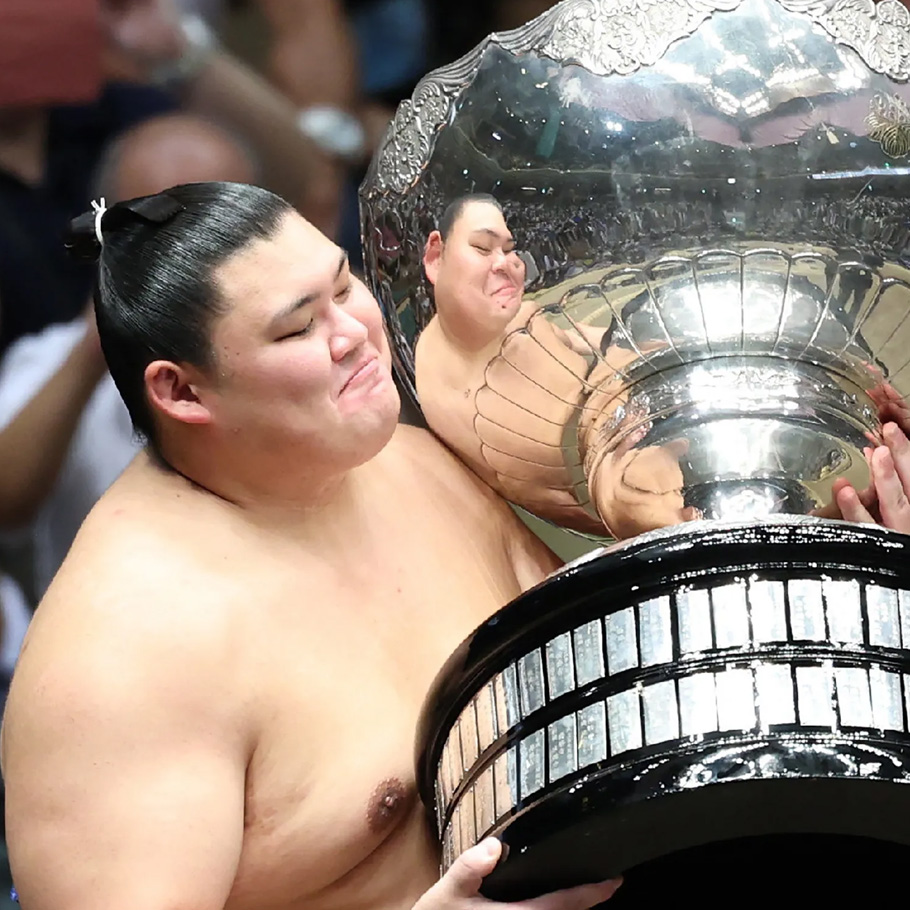
The Yokozuna
(Grand Champion)
The Grand Champion of the sumo world – immortalized in history and revered by fans worldwide. Experience the spiritual intensity and unmatched strength of a living legend at the very peak of the sport.
- Rank: Grand Champion (Top Division)
- Status: Lifetime Title (Cannot be demoted)
- Signature: Dohyo-iri (Ring Entrance Ceremony)
- Power: Unmatched Physical & Mental Fortitude
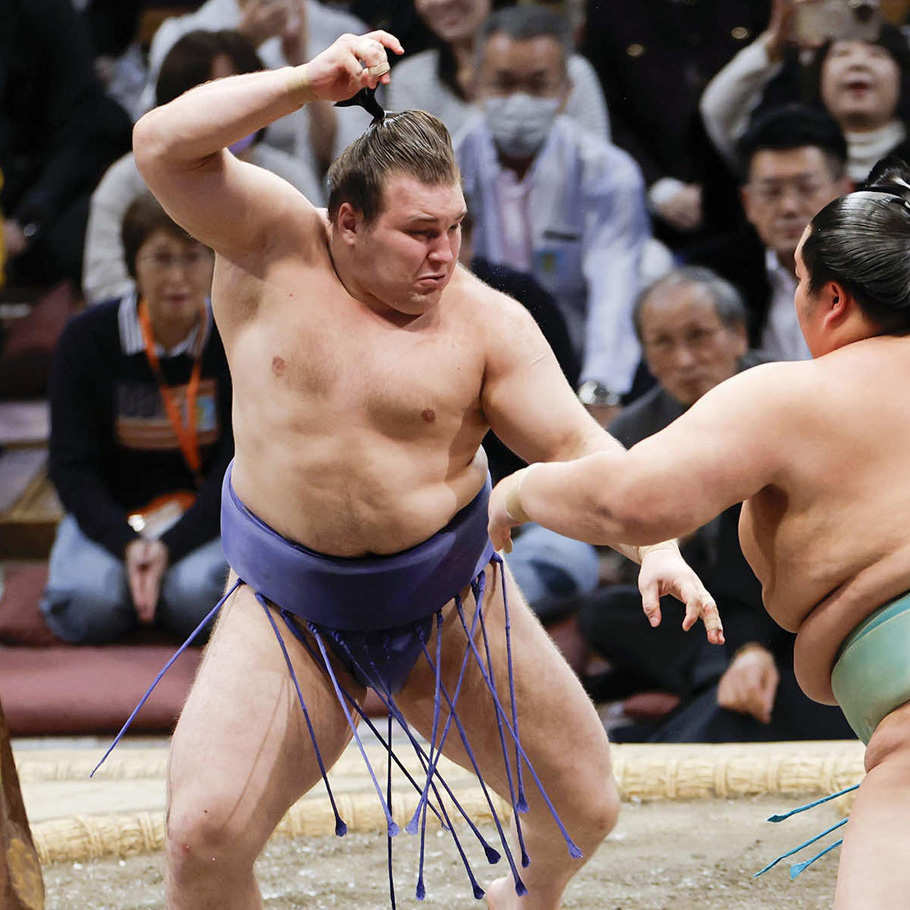
The Ozeki
(Champion)
The Ozeki is the heavy-hitting performance icon of the ring. Like a tuned Supra, these wrestlers rely on massive frames and explosive power to deliver an unforgettable impact at the Tachiai (initial charge).
- Average Weight: 160kg – 180kg (350+ lbs)
- Fighting Style: Yotsu-sumo (Grappling/Belt Grip)
- Fuel Consumption: 8,000 – 10,000 Calories Daily
- Strength: Raw, Earth-Shaking Force
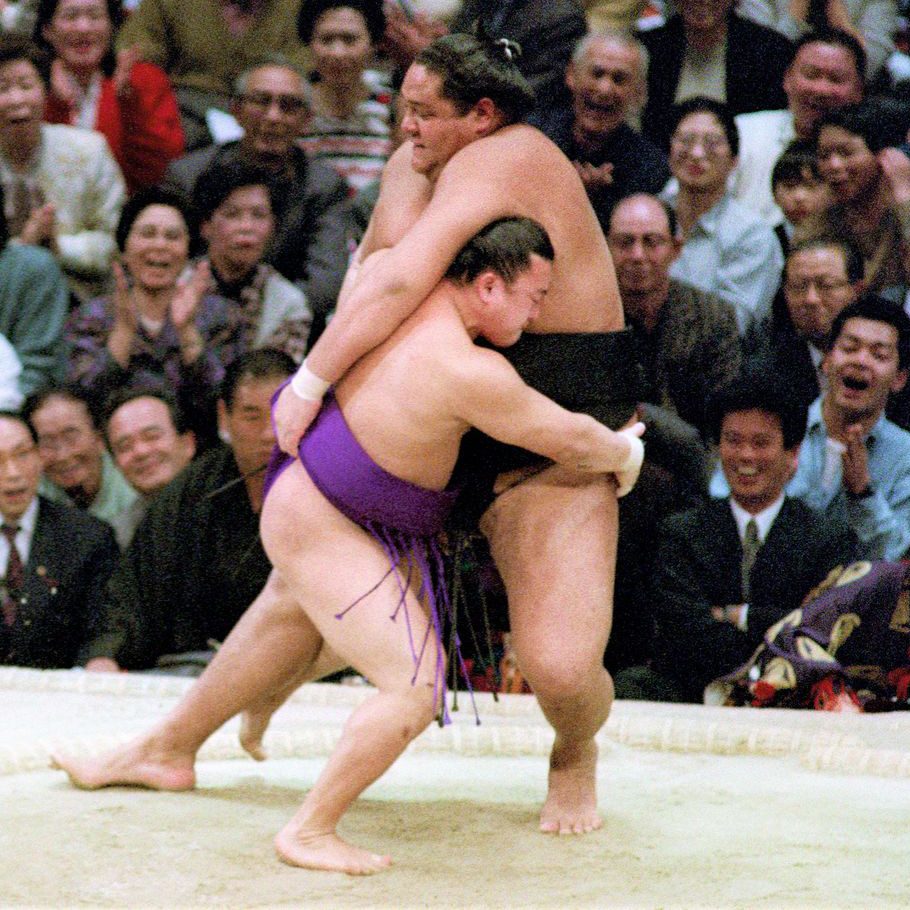
The Technician
(Mainoumi Style)
Renowned for agility and technique rather than sheer size, the Technician is the “Rotary Engine” of sumo. Experience the high-speed thrill of gravity-defying throws and precise balance against much larger opponents.
- Agility: High-Revving Speed
- Technique: Kimarite Specialist (Trips & Throws)
- Build: Lightweight & Low Center of Gravity
- Strategy: Speed, Misdirection, and Leverage

Grand Sumo: High-Impact Tournament Style
Ever wondered how to actually watch a Sumo match in Tokyo? 🇯🇵 In this video, I’m sharing my complete guide on how to experience professional Sumo wrestling – from buying tickets to understanding the rituals and etiquette of the arena.
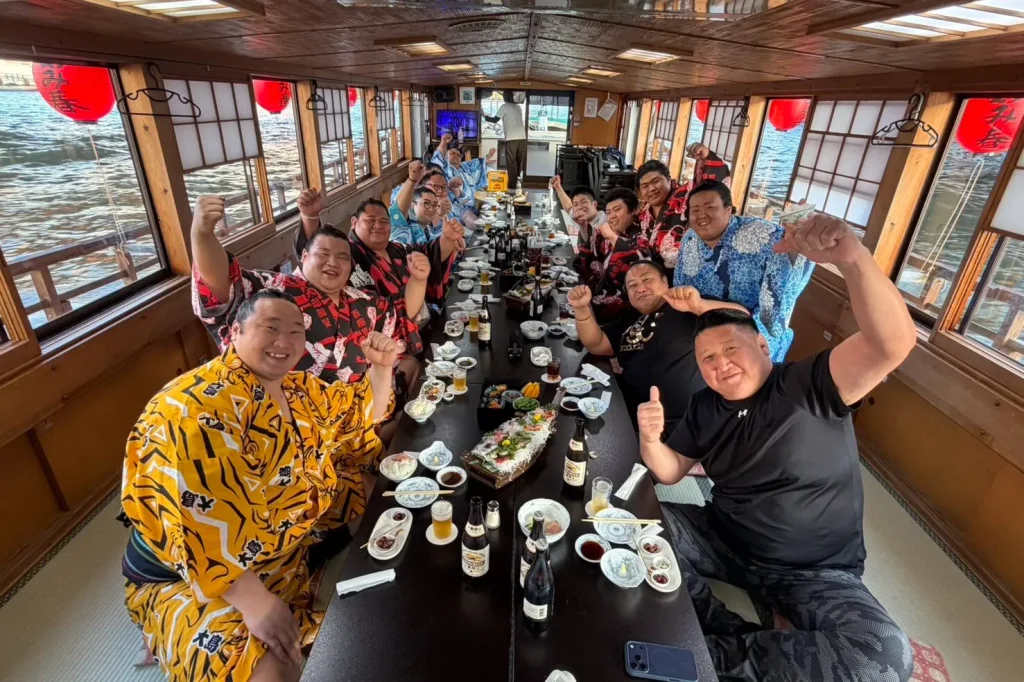
Oshima-beya visit experience and history
Sumo isn’t some flashy show. It’s a grind. If you’re wandering around the Aoto neighborhood in Tokyo looking for a shiny tourist trap, you’re lost. Oshima-beya is a working stable – a heya – where the air gets thick with a mix of expensive bintsuke hair oil and that raw, heavy scent of damp clay. It’s tucked…
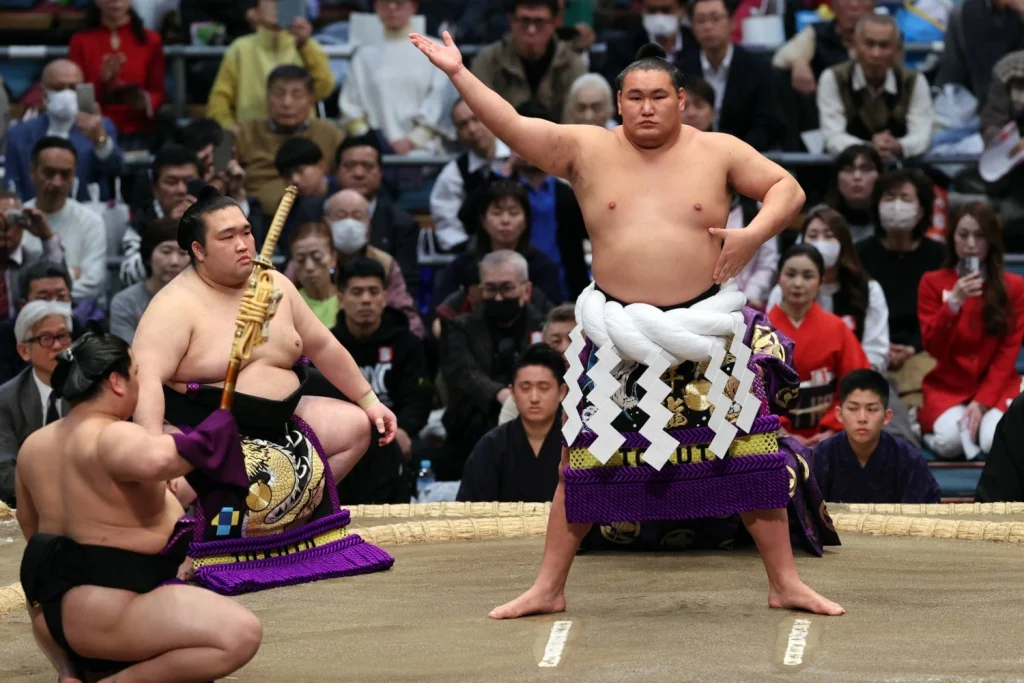
Inside Tatsunami Beya: The History, Stars, and Training of a Premier Sumo Stable
Sumo history is usually a total slog of dates and dusty names. Tatsunami Beya is different. It stands out like a neon sign in a dark alley. People say it was founded in 1876, but the version we actually care about took root in 1915. That was under the 4th generation master, a former Komusubi…

Arashio-beya Sumo Stable: Watching Tokyo’s Giants for Free
Most sumo stables in Tokyo feel like literal fortresses. They’re tucked away behind heavy wooden doors in these quiet residential neighborhoods where you usually need a formal invite or a pricey tour guide just to get a glimpse. Arashio-beya is the outlier. Located in the Nihombashi-Hamacho district, this spot is a cult favorite for travelers…
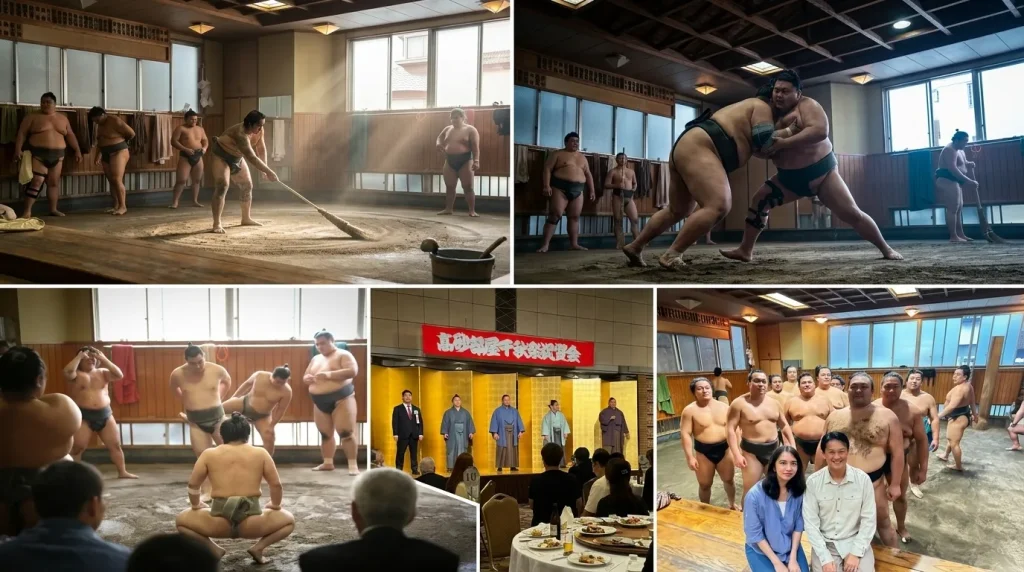
The Ultimate Guide to a Takasago-Beya Visit: Experiencing Authentic Sumo in Tokyo
Takasago-beya was born from a massive rebellion back in 1873 when Takasago Uragoro got totally sick of the Tokyo Sumo Association and just walked out. Took 40 guys with him. Demanded better treatment and the suits caved. He came back to found this stable and that defiant blood-and-guts energy still dictates the vibe. The Rich…
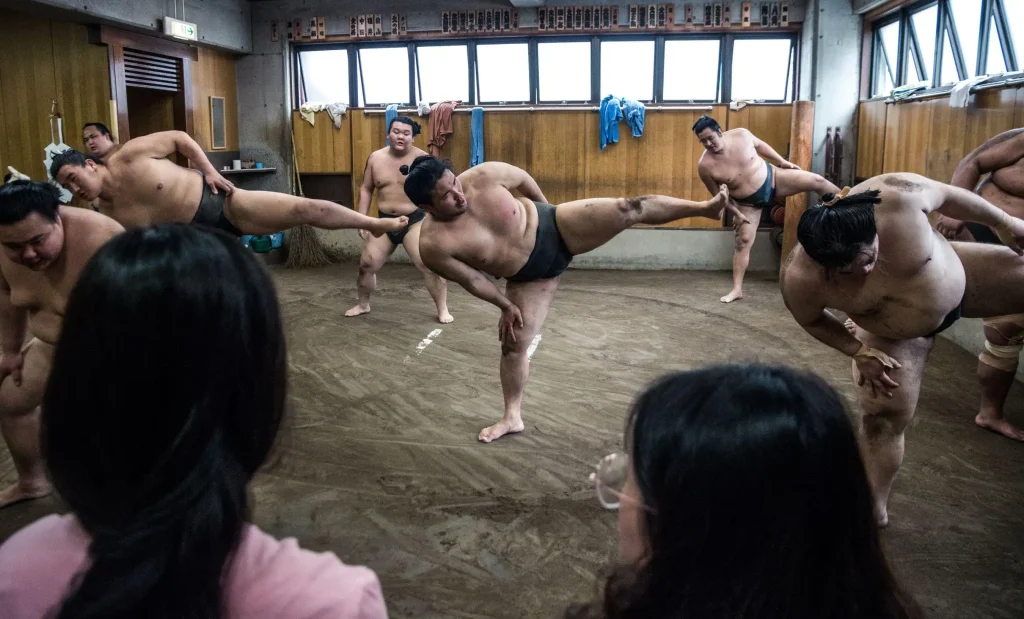
Sanctuary Season 2 Updates and the Ultimate Sanctuary Sumo Tour in Japan
Nobody expected a show about dudes in loin cloths to dominate the streaming charts. I remember crashing on my couch back in May 2023. Clicking play because I was brain-dead from work. Next thing I know eight hours vanished into the dirt and blood of professional sumo. Netflix’s Sanctuary was not some sanitized documentary. It was nasty.…
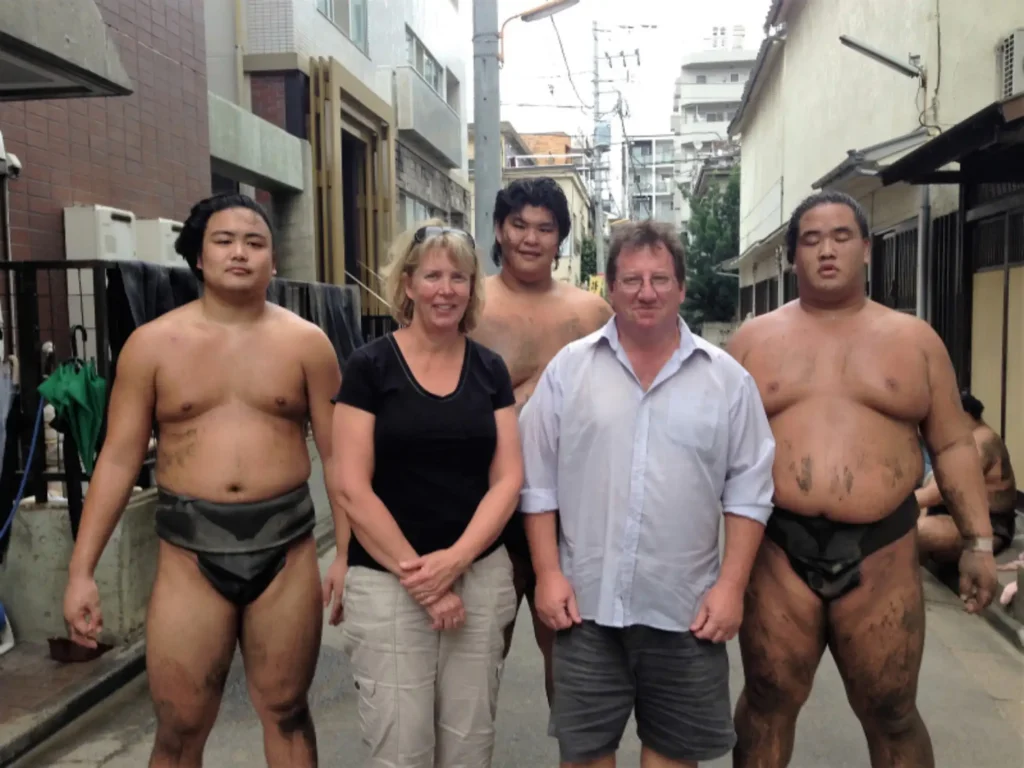
The Ultimate Guide to the Best Sumo Morning Practice Tours in Tokyo 2026
Training dens are called stables or heya in Japanese. They are literally houses where these massive guys live and sleep and eat ridiculous pots of stew every single day of their lives while the rest of the city ignores them. You are walking into someone’s actual living room essentially. Can I Watch Sumo Practice in…
GUIDE FOR Family & friends Sumo Experiences in Tokyo
Honestly dragging a kid to a centuries-old Shinto ritual is absolute madness. Which is exactly why the tourism gods invented family sumo experiences. They strip out the crushing silence and those mandatory six-hour sitting marathons you get at professional tournaments. Erased. Replaced with chaotic, kid-approved bedlam. We’re talking weird entertainment venues and themed restaurants where retired rikishi (wrestlers) just put on a wildly entertaining show. You get the thunderous stomping. The throwing. The sheer terrifying bulk of the athletes – but in a completely chill environment. Nobody shushes you here.
Why Sumo Experiences Suit Families with Children
Trying to force a five-year-old to sit silently during a grand tournament match is just self-inflicted psychological torture. Kids don’t give a damn about sacred salt throwing. Or ranking hierarchies. They want to watch giants smash into each other. These experiences are weaponized for short attention spans, condensing the best chunks of the sport into bite-sized adrenaline spikes. Plus you eat during the beatdowns. Shove a wad of fried pork in a kid’s mouth and they’re golden. And if your toddler suddenly needs the toilet right as two behemoths collide? Nobody shoots you daggers. You just bolt.
Exploring the Types of Family-Friendly Sumo Activities
Tokyo is absolutely crawling with bizarre avenues to watch big men wrestle. Basically you choose from three lanes. Shoving your offspring into the ring for a hands-on workshop. Booking a dinner show where you gorge on stew while dudes grapple on a stage three feet from your face. Or the authentic morning practice creeping… which is totally free but demands waking up at an ungodly hour.
Interactive Sumo Workshops and Hands-On Sessions
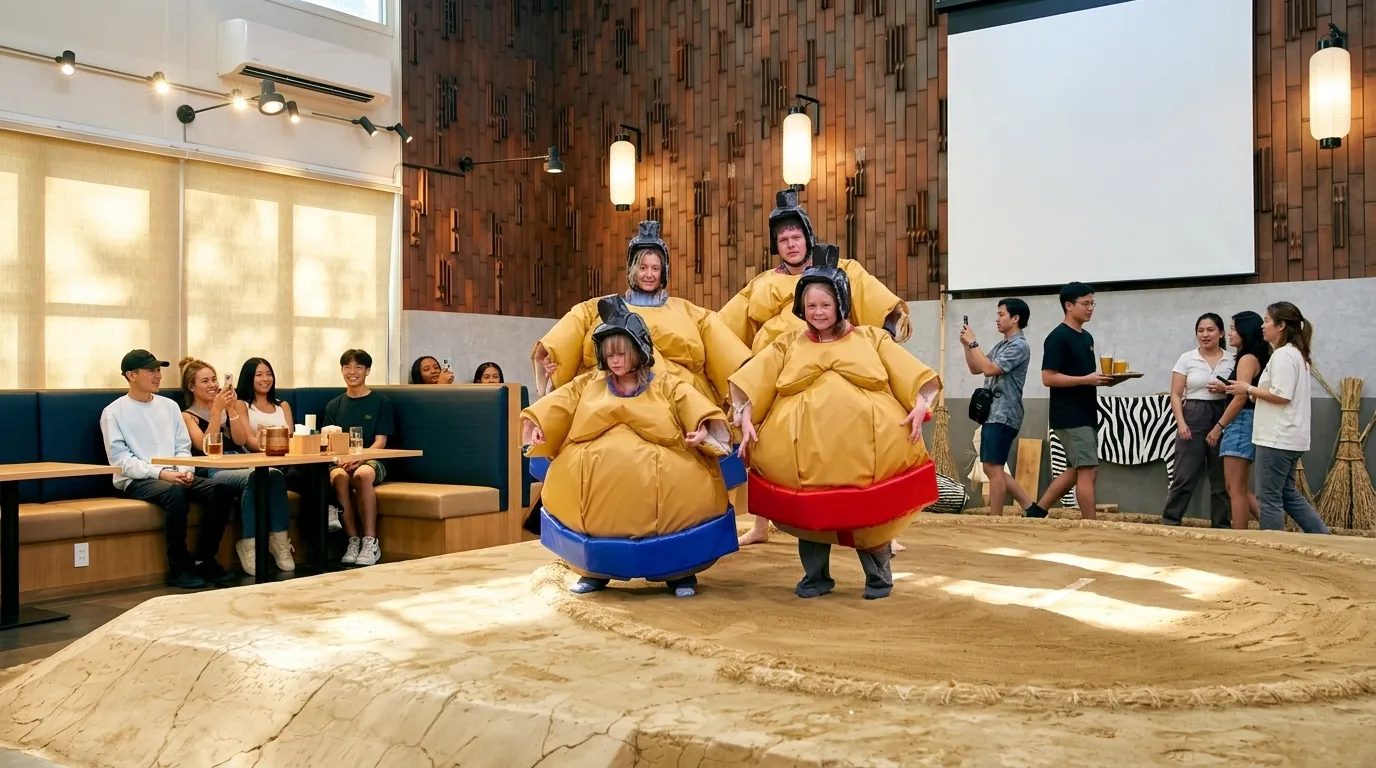
Sometimes you just gotta let your kid try to topple a 300-pound man. Interactive sessions are pure unfiltered comedy. Spots like Asakusa Sumo Club literally strap a ceremonial apron onto clueless tourists and herd them onto the clay dohyo (ring) to face down a former pro. It’s safe. Duh. These retired gargantuans are masters at fake-falling backward with dramatic flair when a forty-pound child rams their gut. The photos are pure unadulterated gold. I’ve watched surly teenagers who act too cool for oxygen absolutely wet themselves laughing trying to lift a wrestler’s monstrous leg.
Entertaining Live Sumo Shows with Traditional Meals
Look, if you want peak tourist multi-tasking, just hit a sumo restaurant. Yokozuna Tonkatsu Dosukoi Tanaka in the Sumida ward is the absolute zenith right now. Former pros double as your evening’s entertainment and the kitchen staff, which is just brilliant economics. The whole joint wraps around a central dohyo. The host runs everything in English. They sling these colossal plates of tonkatsu (crispy fried pork) alongside chanko-nabe. Chanko is that mythical stew wrestlers inhale to get massive.
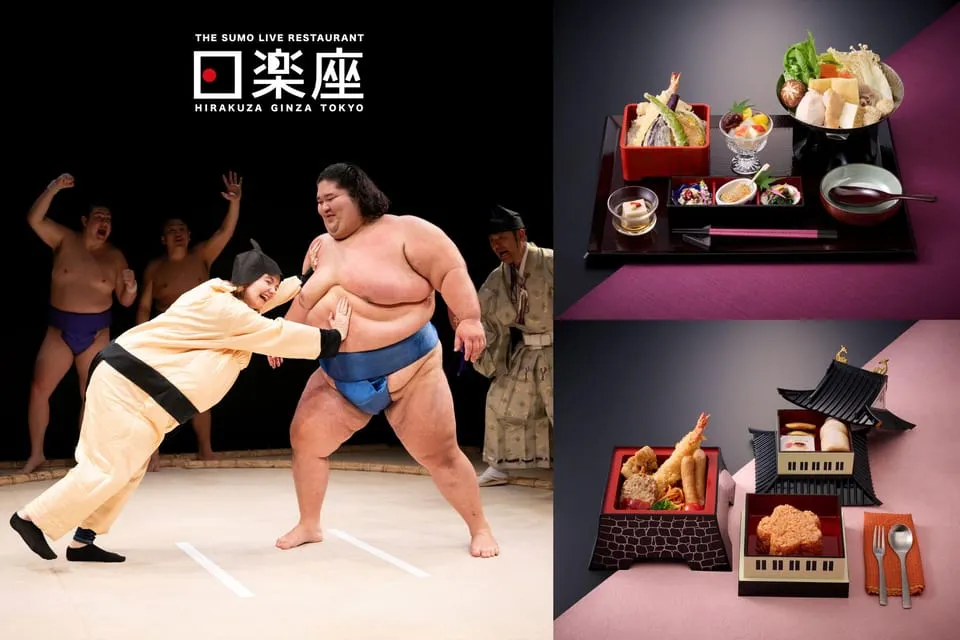
Drop about 11,380 JPY for a ticket. You get exhibition slams, some history trivia, and enough calories to choke a horse. Afternoon slots vaporize instantly. Asakusa Sumo Beya is another banger of an option charging around 16,000 JPY for adults and 12,000 for kids. Their deep vats of traditional chanko are cooked by a legit former stable chef. Messy. Loud. God-tier eating.
The Lore of Chanko Nabe: Why Sumo Wrestlers Eat So Much Chicken
If you’re stuffing your face with bubbling hot pot, learn the lore. “Chanko” was old slang for a stable’s cook. “Nabe” just means hot pot. The concoction is loaded with random vegetables and tofu bobbing in rich broth to synthesize human bulldozers.
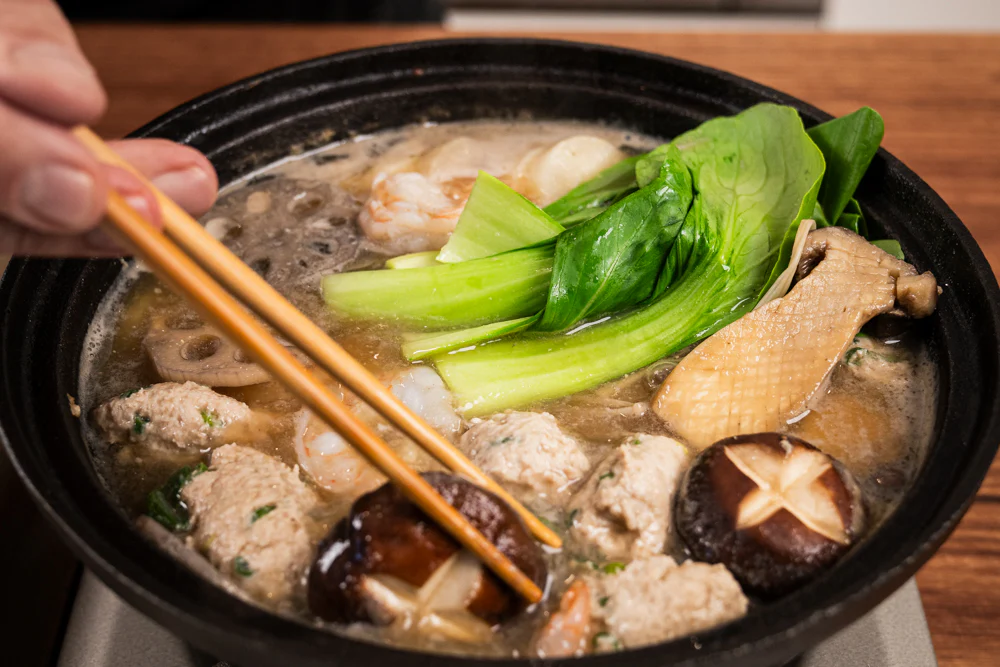
Here’s the coolest trivia to drop on your kids while they chew. Traditional tournament-season chanko nabe uses strictly chicken. Why? Chicken stands on two legs. In sumo if anything but the soles of your feet grazes the dirt, you lose. Ergo, consuming a four-legged beast like a pig is begging for a losing streak. They even roll the ground chicken into little spherical meatballs because they mimic the white victory circles scrawled on the tournament brackets. Wild, right?
Authentic Sumo Stable Visits and Morning Training Observation
Maybe the touristy stuff makes you cringe. Real sumo stables (beya) are where the active brutes sleep and bleed. Most shut out foreigners entirely or force you to sit frozen on a tatami mat for three agonizing hours. But Arashio-beya over in Nihonbashi-Hamacho hacked the system. They slapped massive glass windows right on the streetfront.
Roll up to the sidewalk between 7:30 AM and 10:00 AM. Boom, free morning practice (asa-keiko). It is visceral. Sweaty. You can hear the meaty thwack of skin slapping skin through the thick glass. Kids stand there totally paralyzed by the spectacle. Show up by 6:45 AM if you want to breathe on the glass, otherwise you’re staring at the backs of other tourists’ heads. Sometimes the sweaty giants wander outside post-workout to snap selfies.
A quick warning on scheduling: Active wrestlers vanish from Tokyo. March, July, November – they’re off warring in Osaka, Nagoya, and Fukuoka. And during Tokyo tournament months, stables lock down public viewing so the guys can mentally prep. Always check the calendar before promising your kids sumo combat.
You absolutely need to wander across the street to Chikarayama Shoten YORIKIRI after. Quirky little shop hawking trinkets stitched from recycled sumo banners.
Key Locations and Venues for Sumo in Tokyo
The heavy-hitting sumo infrastructure is jammed into Tokyo’s eastern half. Don’t drag your exhausted family across the entire metropolis. East side is where the magic lives.

The Ryogoku Area: The Historic Heart of Japanese Sumo
Ryogoku is sumo central. Step off the JR Chuo-Sobu line and you’re tripping over statues of nearly naked men. It houses the monstrous Ryogoku Kokugikan stadium. The whole district reeks gloriously of soy sauce and chicken fat because endless chanko restaurants clog the alleys. Chanko Kirishima right by the station is a juggernaut – takes up an entire building, run by a former ozeki. Dead simple to reach from Akihabara. And the Edo-Tokyo Museum reopens nearby on March 31, 2026. Massive bonus for burning a whole afternoon.
The Asakusa Area: Cultural Vibes and Sumo Entertainment
Asakusa has an older pulse. Traditional. It’s mostly famous for Senso-ji temple and pushy rickshaw drivers but it’s stealthily morphing into a tourist sumo hub. Joints like Asakusa Sumo Club are way more intimate than the Ryogoku behemoths. They have sofa seating… absolute lifesaver when you’re wrangling feral toddlers. They know tourists inside out. Firing out kid-approved nuggets like fried chicken and sweet inarizushi alongside the massive hot pots. Easier to swallow . . . literally and metaphorically.
Family Sumo Experiences vs Professional Sumo Tournaments
There’s a gargantuan gap between chewing on pork cutlets while a retired dude cracks jokes in English – and surviving an official Honbasho. Pro tournaments are suffocatingly tense. Crowds crammed onto tiny square cushions. Referees swished in fancy silk robes. A match might last three pathetic seconds after four solid minutes of intense psychological glaring. Family shows amputate the glaring. Bypassing the arcane Shinto rituals and diving headfirst into the physical trauma.
Essential Booking Tips and Practical Advice
Wild restaurant cabaret or solemn tournament combat. Either way you have to strategize.
- Book Early: Tournament tickets drop a month out and are gone in seconds. Use platforms like BuySumoTickets, Klook, or ByFood before you’re left holding the bag. Restaurant gigs like Dosukoi Tanaka vanish weeks in advance too.
- Dietary Restrictions: Chanko nabe is an ancient recipe. Venues won’t magically invent a vegan broth for you on the fly. If you have weird dietary needs… you better email them months out or find a place with à la carte backups.
- Patience and Etiquette: Even when the beer is flowing at a rowdy dinner show, you’re dealing with esteemed former warriors. Listen to the guide before you jump in the dohyo. Stalking a real stable window? Tell your kids to stop smacking the glass. No flash photography. These guys are attempting a sacred brutal workout.
Advantages of Sumo Experiences Over Full Tournaments
Touching the clay. That right there is the golden ticket. At a real basho you’re squinting from row fifty as pixel-sized men bump bellies. At a restaurant show the sweat flies right onto your plate. Your kids touch the ring. You gorge yourself on food without the lingering terror of dropping sauce on a local’s priceless silk kimono.
Tournaments demand respect. Restaurants just want to party. When you’re dragging jetlagged kids across thirteen timezones – you desperately need the party. You need that chaotic flexibility to laugh too loud. Snap hideous blurry photos. And just bail the second the toddler meltdown begins.
Build Your Own Sumo Dream Trip
Maybe you want more than just one morning. Maybe you want to mainline the entire culture. Some outfits let you build your own adventure.
You can do a five-hour walking tour through Ryogoku, hitting the Sumo Museum and the massive souvenir shops. Or… and this is the big one… you can join a Wrestler’s Lunch. They take you to a restaurant run by former pros and you get to experience the massive Chanko-nabe stew up close. For the real nerds, there’s a history tour that takes you to the actual shrines where the sport began. Or just a scenic visit with Tokyo Skytree in the background—though you better pray for a good view.
The “Clash of Titans” Adrenaline Rush
If you’re more about that live tournament energy, there are tours for that too. This is the pure cinematic thrill. We’re talking a full-day immersion during the Grand Tournament (Basho) with a pro guide who knows every hold. You’ll feel the tension in the Kokugikan arena, I promise you that. It’s all the thrill of ancient combat without any of the, you know, getting injured part. They pick you up from your hotel. Easy.
Frequently Asked Questions
No special gear is required to watch. However, if you are participating in the Sumo Challenge, please wear comfortable, loose-fitting clothes. We will provide the padded suits or mawashi (belts) for the experience.
Yes. Sumo stables can be intimidating for foreigners, so our guides are fluent in English. They will explain the etiquette, history, and translate any instructions from the Oyakata (Stable Master).
To respect the sanctity and focus of the training stables (Heya), we keep groups small and intimate – usually limited to 6–8 guests. Private group bookings are available upon request.
While we cannot guarantee access to specific Rikishi due to strict training schedules and tournament dates, we work with several prestigious stables. If you have a specific preference, please let us know at booking, and we will do our best to accommodate it.
Cancellations made 48 hours prior to the tour date are fully refundable. Because stable visits require special permission from the masters, last-minute cancellations cannot be refunded.
Yes, but strict etiquette applies. During morning practice (Keiko), silence is mandatory; you may take photos, but flash photography and shutter sounds are strictly prohibited to avoid distracting the wrestlers. Posed photos with the wrestlers are usually allowed after practice ends.
Experience the Impact of Tokyo Sumo
Tokyo Sumo VIP Access
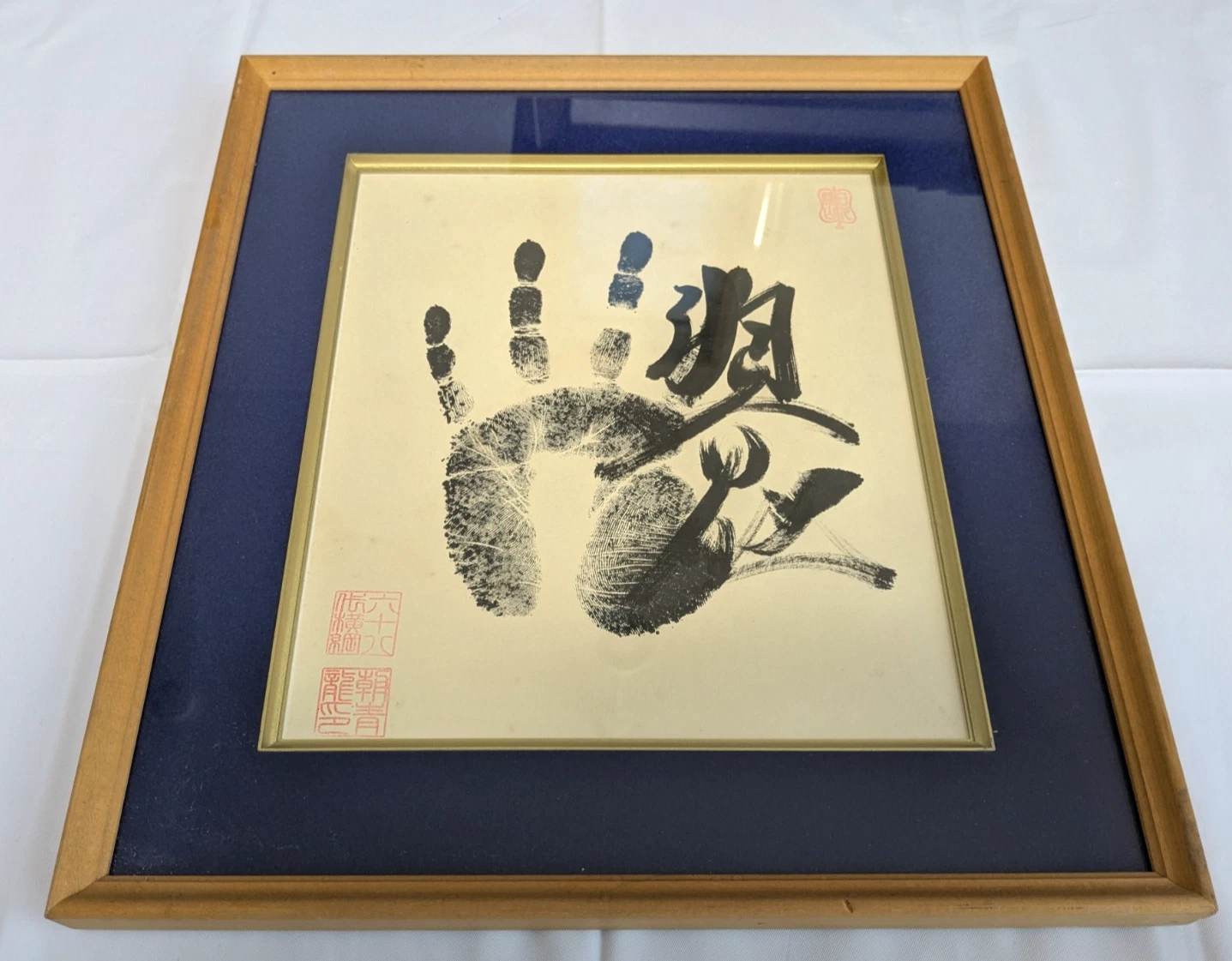
Enjoy exclusive perks like a signed Tegata (wrestler handprint), souvenir photographs with the giants, along with unforgettable experiences.
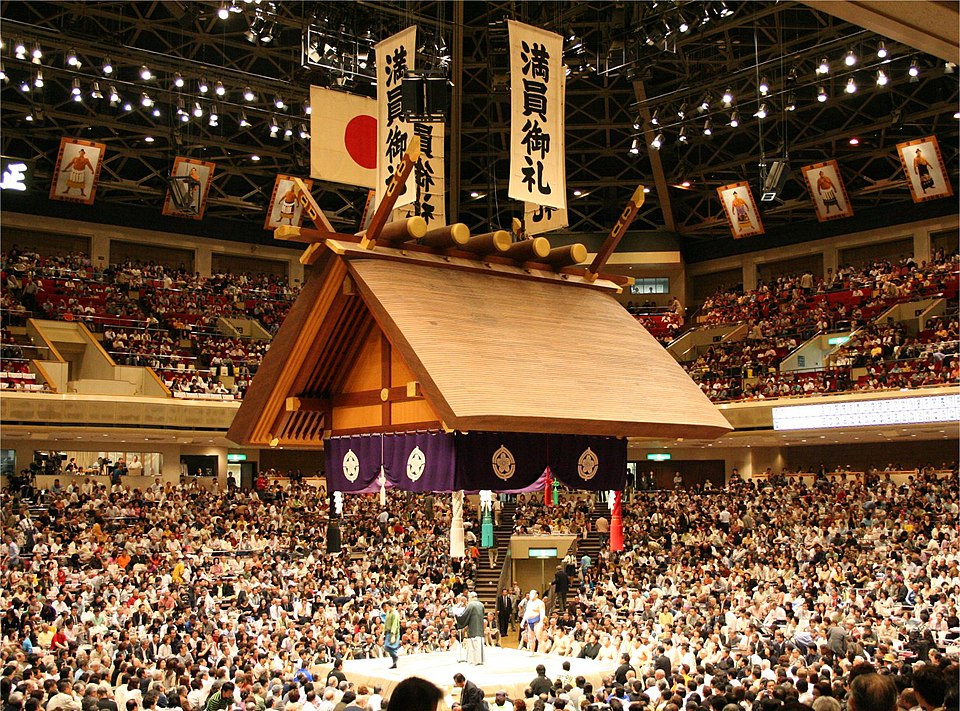
Grand Sumo Tournament Style
Stop at the legendary Ryogoku Kokugikan arena and authentic training stables, and listen to colorful stories of ancient Yokozuna.
What Our Guests Say
As a huge fan of combat sports, this tour exceeded all my expectations. Meeting the wrestlers at the stable was incredible, and the sumo challenge class was exhilarating. Absolutely worth every penny!
Liam O’Connor

The Tokyo Sumo experience was amazing from start to finish. The wrestlers were massive, their discipline incredibly skilled, and seeing the private world of the stable was fascinating. I’ll never forget being that close to these legendary giants.
Sophia Rossi

Watching the morning practice up close was a dream come true! The guides knew all the best spots in Ryogoku and the Chanko-nabe lunch was unforgettable. A must for any culture enthusiast visiting Japan!