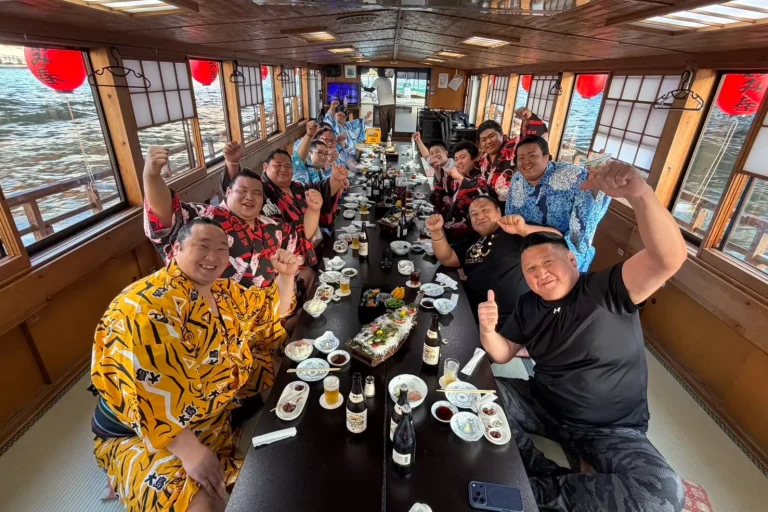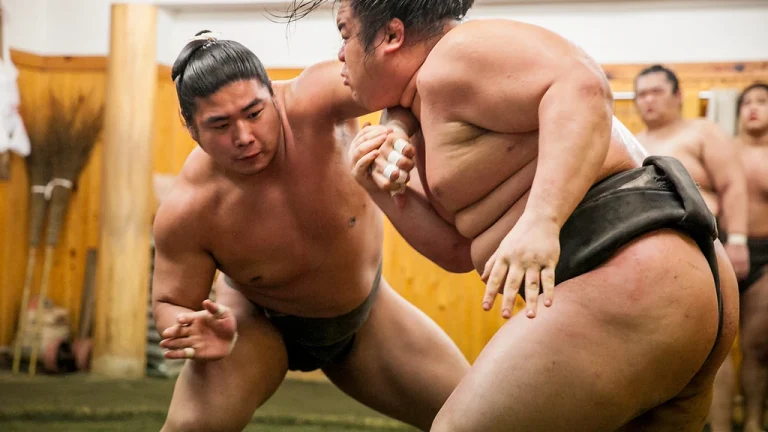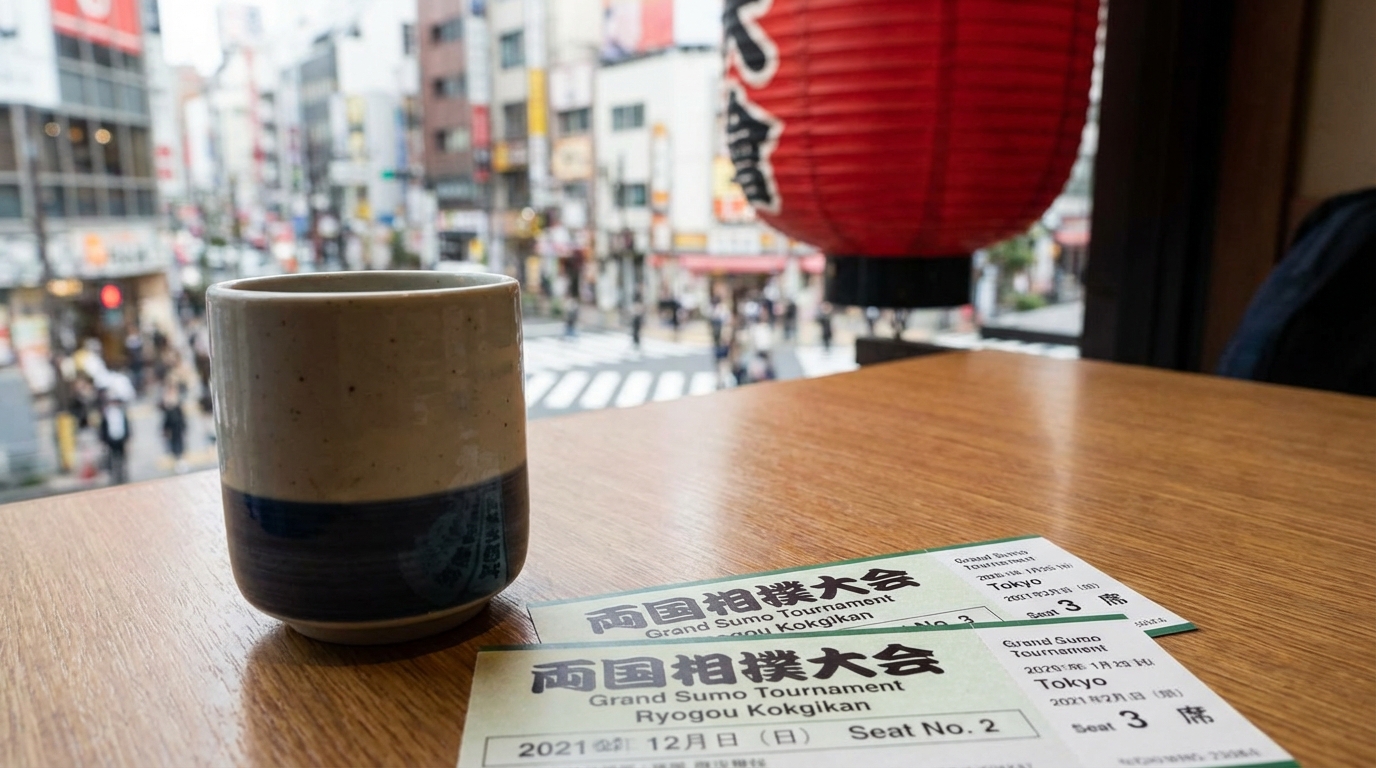
Before you start stressing about tickets, get this straight – you need to know what you’re paying for. Sumo isn’t really a sport. It’s a 1,500-year-old Shinto ritual designed to charm the gods into giving a good harvest.
Every twitch in the ring has meaning. When a wrestler stomps his leg (shiko), he isn’t just stretching; he is crushing evil spirits into the dirt. Throwing salt (kiyome-jio)? That’s for purification. Western sports are obsessed with constant action, but sumo is about the wait. The psychological pressure during the shikiri (stare-down) is just as critical as the collision, which might only last three seconds.
If you get this, the experience shifts. It stops being “two fat guys pushing” and becomes a living, breathing history lesson.
Where to Buy Official Sumo Tournament Tickets
Let’s be real—buying official tickets is a headache. A bloodsport in itself. You basically have three options, ranging from “tech-nightmare” to “expensive but easy.”
The Official Route (Ticket Oosumo)
The Japan Sumo Association sells direct via Ticket Oosumo. It’s the cheapest way. Face value. But the website feels ancient – like 2005 era – and it crashes when traffic hits. Sales open roughly a month prior (think early December for the Jan tournament). If you aren’t hitting refresh the second it goes live, you probably lose.
Convenience Stores (The “Konbini” Method)
Already in Japan? You could try the machines at 7-Eleven or Lawson. But this requires navigating menus in Japanese or annoying a clerk while a line forms behind you. Unless you read Kanji, it’s high-risk.
Third-Party Concierges
This is where most sane travelers land. You put in a pre-order weeks early, and they fight the queue for you. They charge a fee. It’s worth it to avoid waking up at 3 AM to battle a crashing server.
Understanding Ticket Costs: From Budget to VIP
Sumo ain’t cheap. But it doesn’t have to ruin you if you don’t mind sitting near the rafters.
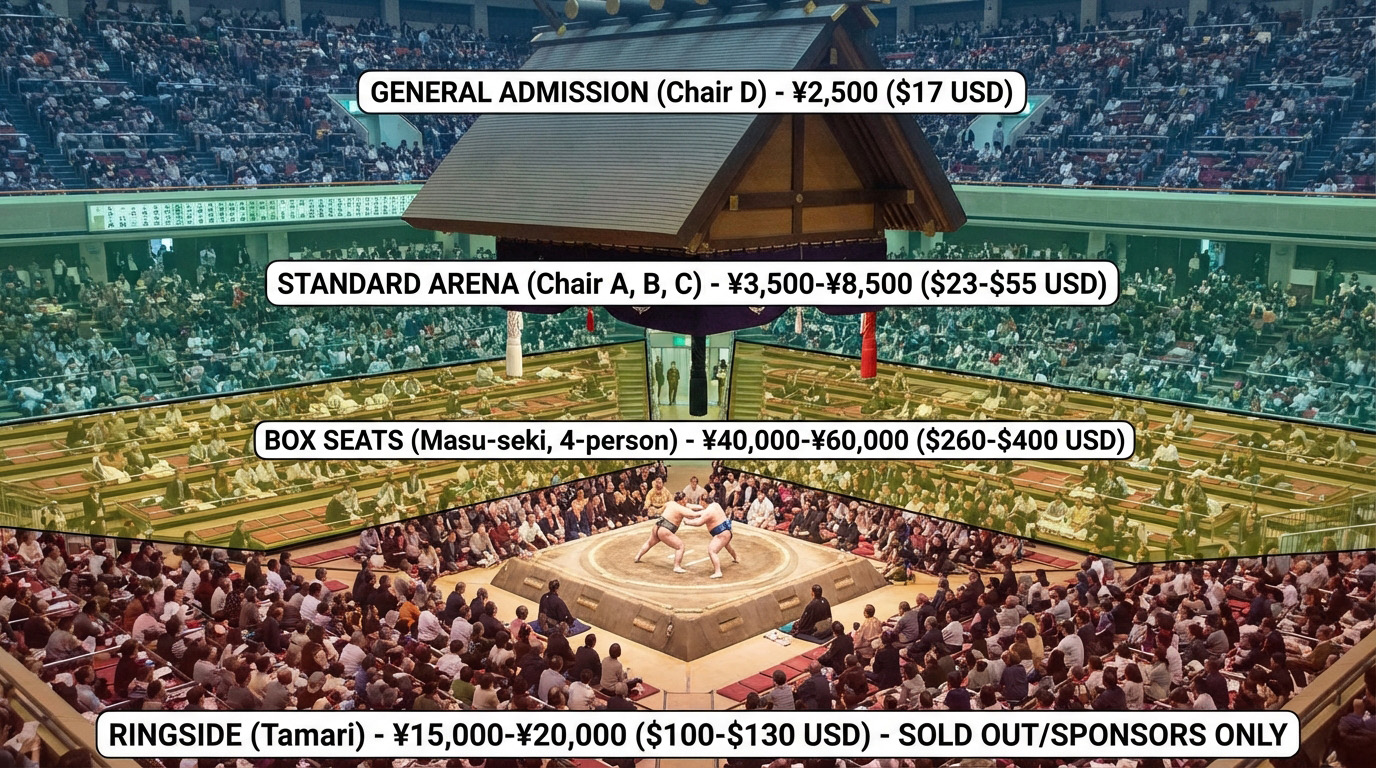
- General Admission (The Cheap Seats): Used to be you could just show up for these. Not anymore. The “General Admission” is now mostly Chair Seat D. Assigned seating. Costs about 2,500 JPY ($17 USD).
- Standard Arena Seats (Chair A, B, C): Normal stadium seats on the second floor. Prices run from 3,500 JPY to 8,500 JPY ($23 – $55 USD). Depends on how close to the rail you are.
- Box Seats (Masu-seki): Gets pricey here. Usually sold as a 4-person box. Even solo travelers often have to buy the whole thing—or hunt for a rare “2-person” option that sells out instantly. Expect to drop 40,000 JPY to 60,000 JPY ($260 – $400 USD).
- Ringside (Tamari): 15,000 JPY to 20,000 JPY a person. Honestly? You won’t get these. They go to sponsors and big shots.
Breakdown of Seating Options at Ryogoku Kokugikan
Seating at the Ryogoku Kokugikan is… distinctive. It’s not about the view. It’s about “will my legs work tomorrow?”
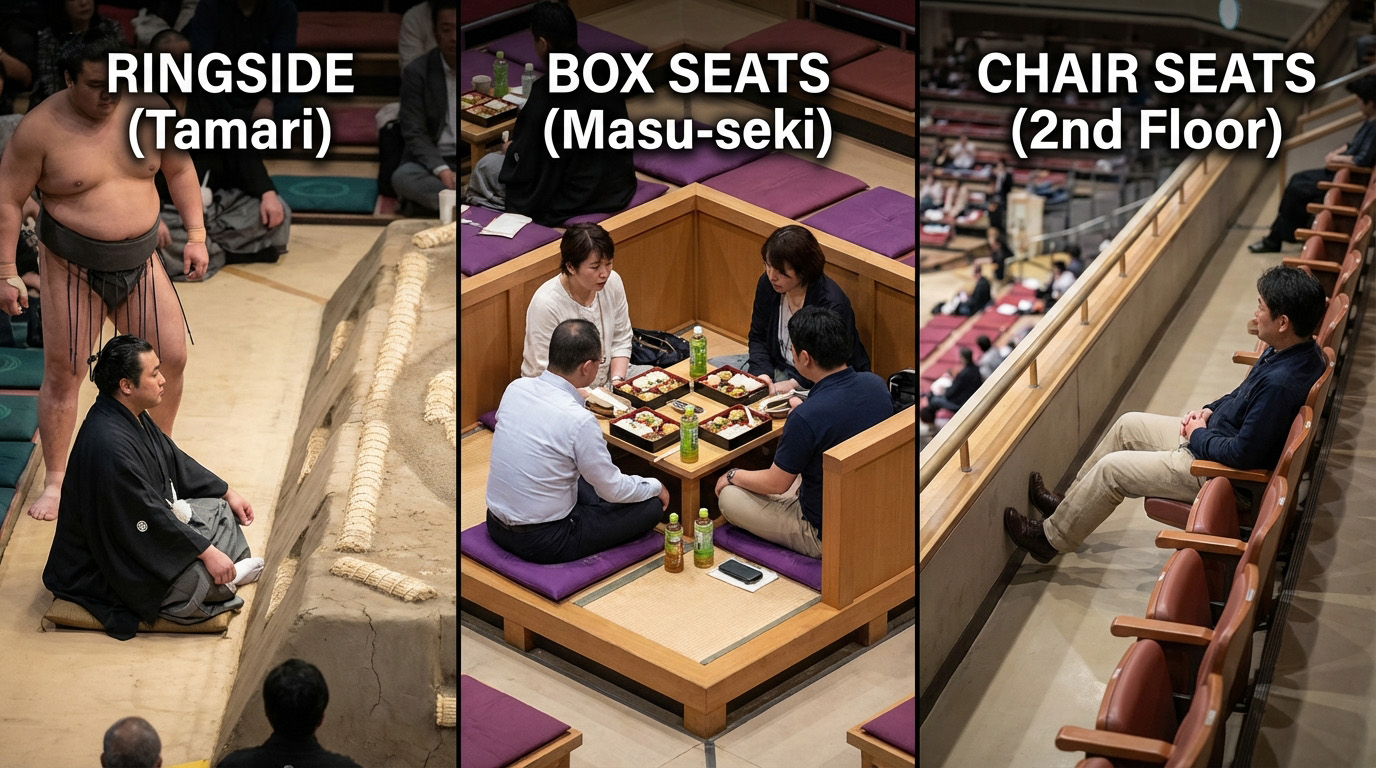
Ringside (Tamari)
You’re on a cushion on the dirt. No fence. If a 150kg wrestler falls, he lands on your lap. Thrilling? Yes. But you can’t eat, drink, or use a big camera. Plus, you have to sit cross-legged for hours.
AI Planning your trip? Ask AI Tokyo Concierge
Get personalized help based on this guide, your travel dates, budget, and plans.
Box Seats (Masu-seki)
The classic vibe. You sit in a railed-off square on the first floor. Warning: These are sized for four average Japanese people from seventy years ago. If you are four grown Western men, it will be incredibly intimate. You sit on zabuton cushions. Shoes off. Your knees will scream. If you want space, buy a 4-person box for just two people.
Chair Seats (2nd Floor)
Boring. Comfortable. Standard flip-down chairs. Keep your shoes on. Stretch your legs. The arena is steep, so the view is actually solid even from the back.
A Day at the Sumo: The Tournament Schedule
Your ticket works all day—8:30 AM to 6:00 PM. But the vibe shifts wildly. Here is how to handle it:
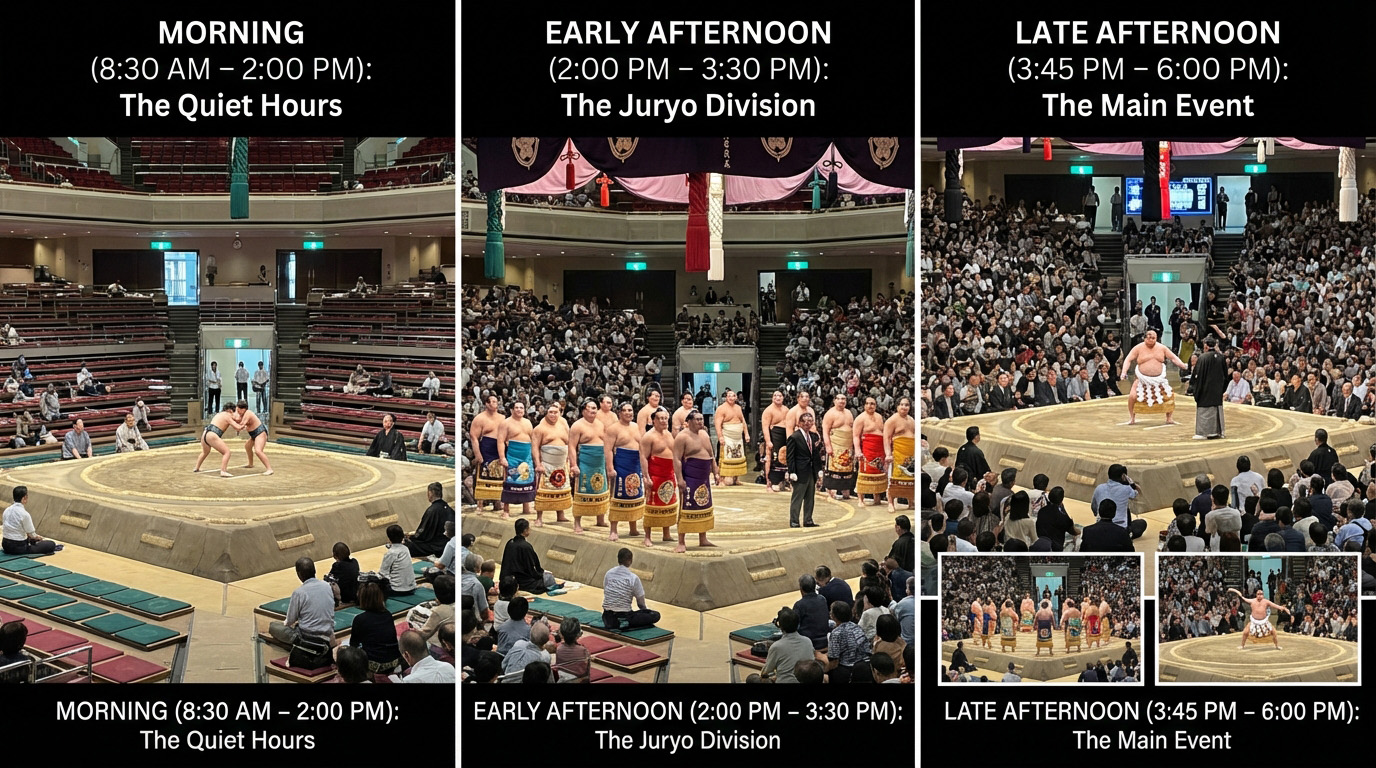
- Morning (8:30 AM – 2:00 PM): The Quiet Hours.
Lower divisions (Jonokuchi through Makushita) fight in a ghost town. It’s actually a great time to sneak down to the first-floor boxes (ushers don’t care much this early) for photos. The wrestling is raw, fast, messy. - Early Afternoon (2:00 PM – 3:30 PM): The Juryo Division.
Juryo guys are pros. They wear the fancy silk aprons (kesho-mawashi) and the ref looks sharper. The crowd wakes up. - Late Afternoon (3:45 PM – 6:00 PM): The Main Event. This is the show. The top division (Makuuchi) arrives. Full stadium. TV lights on.
- 3:45 PM: Makuuchi Dohyo-iri (Ring Entering Ceremony). Top guys circle the ring.
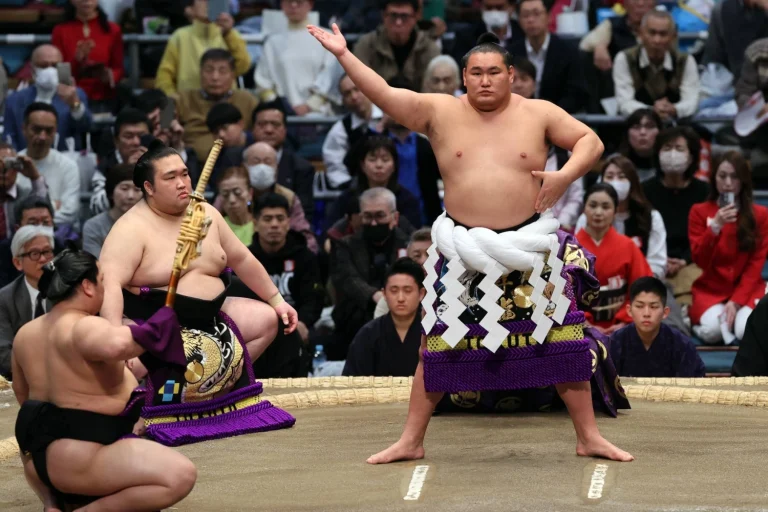
- 3:55 PM: Yokozuna Dohyo-iri. The Grand Champion. The most sacred bit. Dead silence, then the crowd screams “Yoisho!” when he stomps.
- 6:00 PM: Yumitori-shiki (Bow Twirling Ceremony). A wrestler spins a bow to dismiss spirits. Don’t leave yet.
Deciphering the Rituals: What to Watch For
To a rookie, it looks like a lot of nothing. Here is the reality:
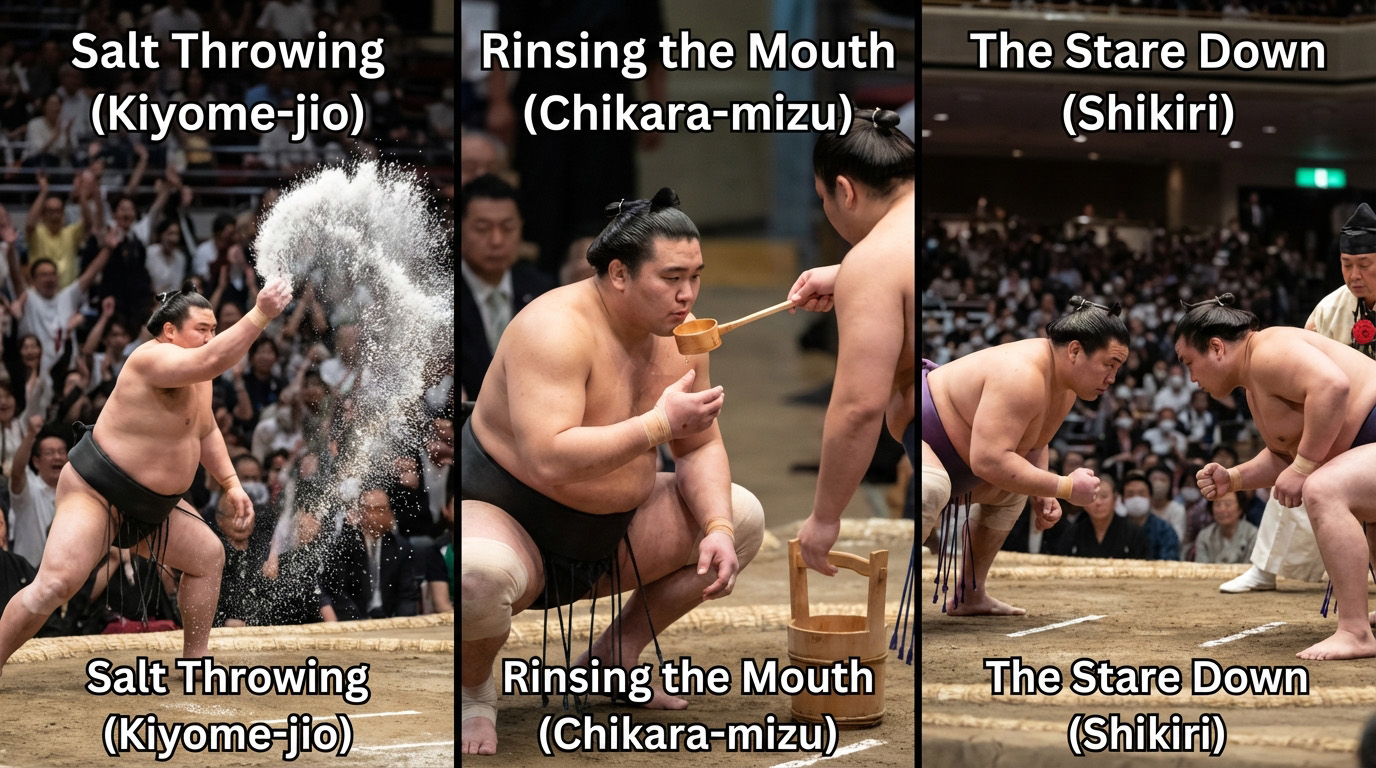
- Salt Throwing (Kiyome-jio): Wrestlers toss salt to purify the dohyo (ring). Some guys chuck massive clouds of it—the crowd loves that.
- Rinsing the Mouth (Chikara-mizu): They take a ladle of water from the last winner. Cleans the body and soul.
- The Stare Down (Shikiri): Crouch. Glare. Stand up. Repeat. It builds tension and syncs their breathing. When both fists touch the dirt, it’s live.
Best Time to Book Your Sumo Experience
Don’t wait until you land in Tokyo. Seriously.
Official sales hit one month before the tournament starts.
- January Tournament: Early December sales.
- May Tournament: Early April sales.
- September Tournament: Early August sales.
The “click war” is day one. Weekends vanish in minutes. Weekdays might linger a few days. Want a box or front-row chair? Be online at 10:00 AM Japan Standard Time.
Using a service like BuySumoTickets? Send your request a month before the sale date so you’re front of the line.
Food & Drink: The Truth About Chanko Nabe
Food is half the fun here. Unlike Western stadiums with garbage pricing, Ryogoku is decent.
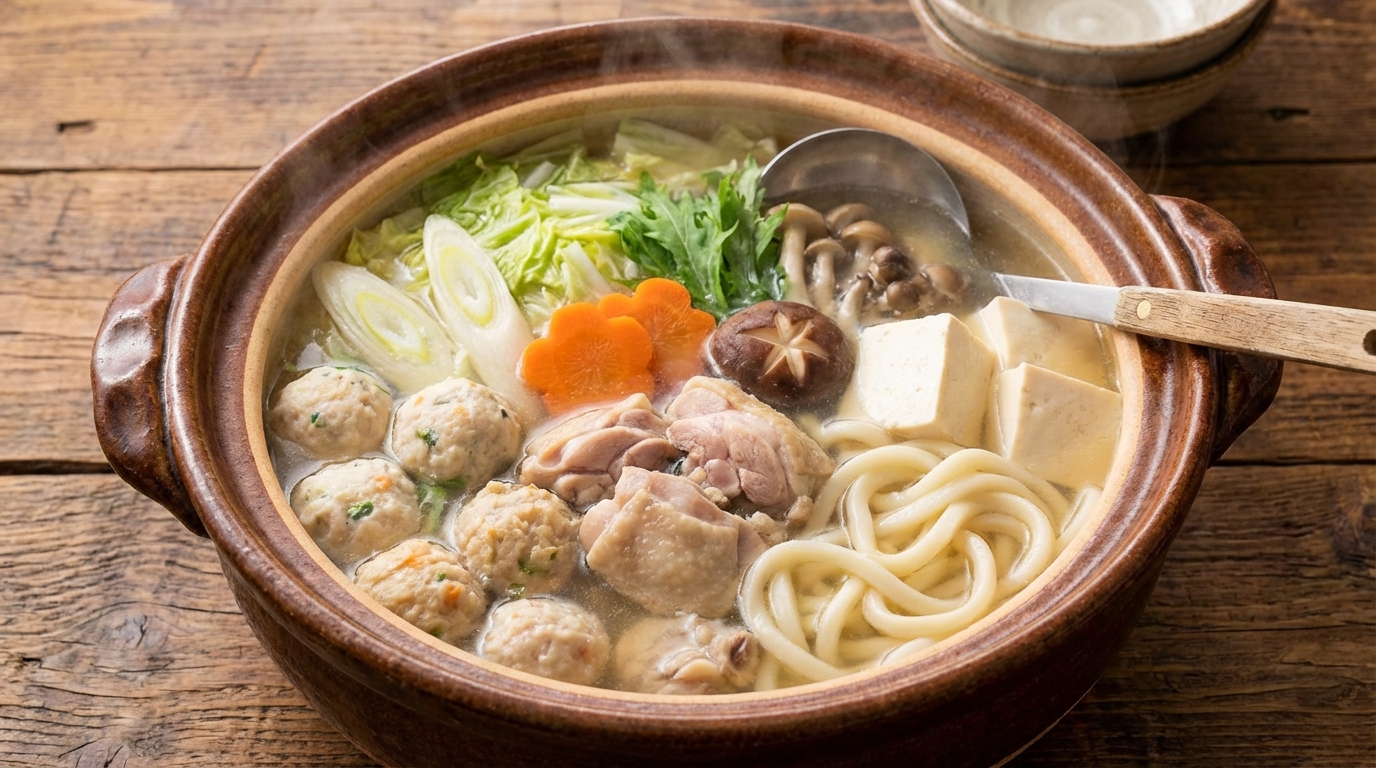
- Chanko Nabe: The “sumo stew” wrestlers eat for bulk. Healthy—veggies, meat, broth. You can grab a bowl for 500 JPY ($3.50 USD) in the basement. Line moves fast.
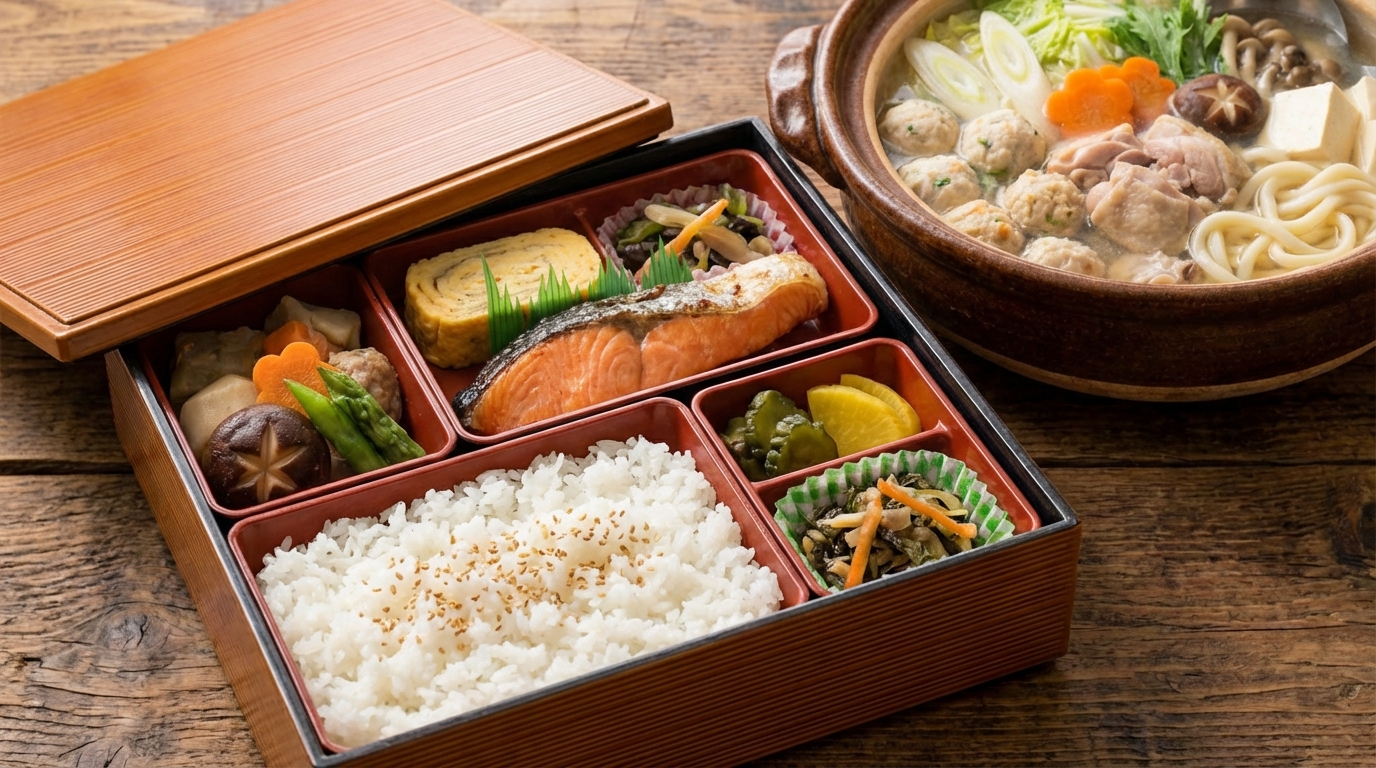
- Bento Boxes: The “Makunouchi” bento was literally invented for this. Rice, fish, pickles.
- Yakitori: There is a massive Yakitori factory under the arena. The skewers are legendary.
- Alcohol: Drink sake, beer, whatever. Right in your seat.
- Outside Food: The rule says “no.” The reality? Staff barely look in your bag. Locals bring snacks. But buy a bento—it’s part of the ritual.
Top Sumo Ticket Packages with City Tours
You missed the sale. Or maybe you’re just lazy. Tour packages are the safety net. Companies like Klook, Viator, and Japan Wonder Travel hoard blocks of tickets.
You pay a premium—double face value, sometimes—but you get in.
- The “Standard” Tour: Usually a Chair B or C plus a guide. Helpful, since sumo is confusing.
- The Lunch Package: Ticket plus Chanko Nabe. That’s the hot pot wrestlers eat. Delicious, heavy. Try it.
- Walking Tours: Some walk you around Ryogoku to see “stables” before the matches.
Worth the money? If it’s your only shot, absolutely.
Bonus: The Sumo Museum and Souvenirs
Got downtime between matches? Hit the Sumo Museum on the first floor. Free for ticket holders. It’s small, but cool—rotating exhibits of old aprons or Edo-period woodblock prints.
For souvenirs, skip the generic Tokyo junk. Go to the official shop:
- Tegata: Handprints of wrestlers. Red ink. Iconic.
- Miniature Banners: Little versions of the sponsor flags.
- Sumo Chocolate: Chocolates shaped like wrestlers. Weird gift, but people like it.
Tips for Scoring Last-Minute Sumo Tickets
You messed up. Two days left and no ticket. Panic? A little bit.
The “Same-Day” Myth
Old guidebooks say “line up at 6:00 AM.” Stop. That changed post-2020. The cheap seats are sold online now. While the stadium might drop a few unused tickets, it’s unreliable. Don’t waste a vacation morning freezing in line for nothing.
Resale Sites
StubHub or Viagogo. The Japan Sumo Association hates them. Technically banned. Will they check ID? Rarely. Is it risky? Yes. You’ll pay 3x the price.
The “Just Go Anyway” Approach
Can’t get in? Go to Ryogoku anyway. The vibe outside is electric. Watch low-rank wrestlers walk in wearing yukatas. Eat Chanko Nabe nearby. It’s not the matches, but it’s still cool.