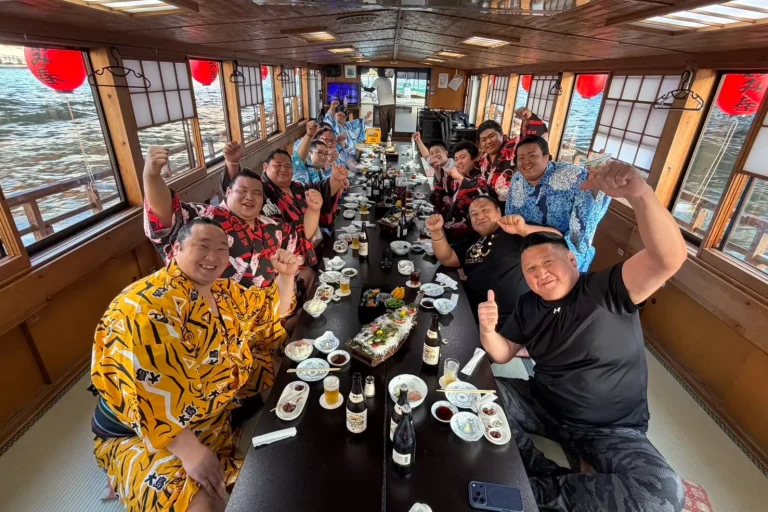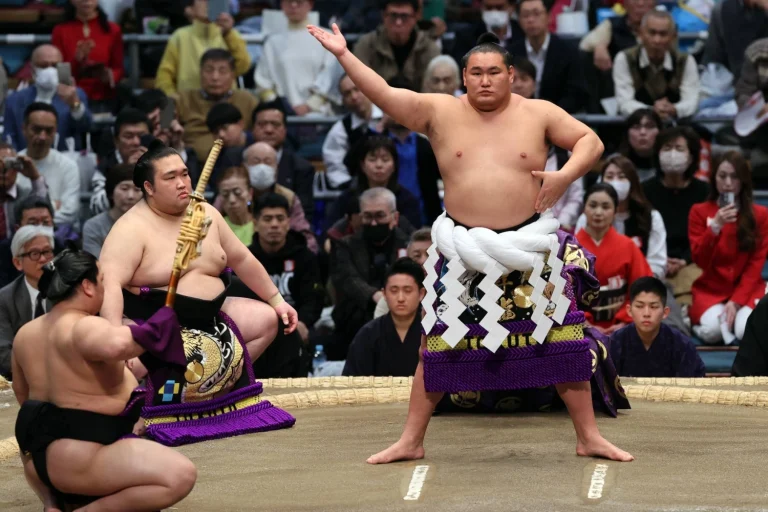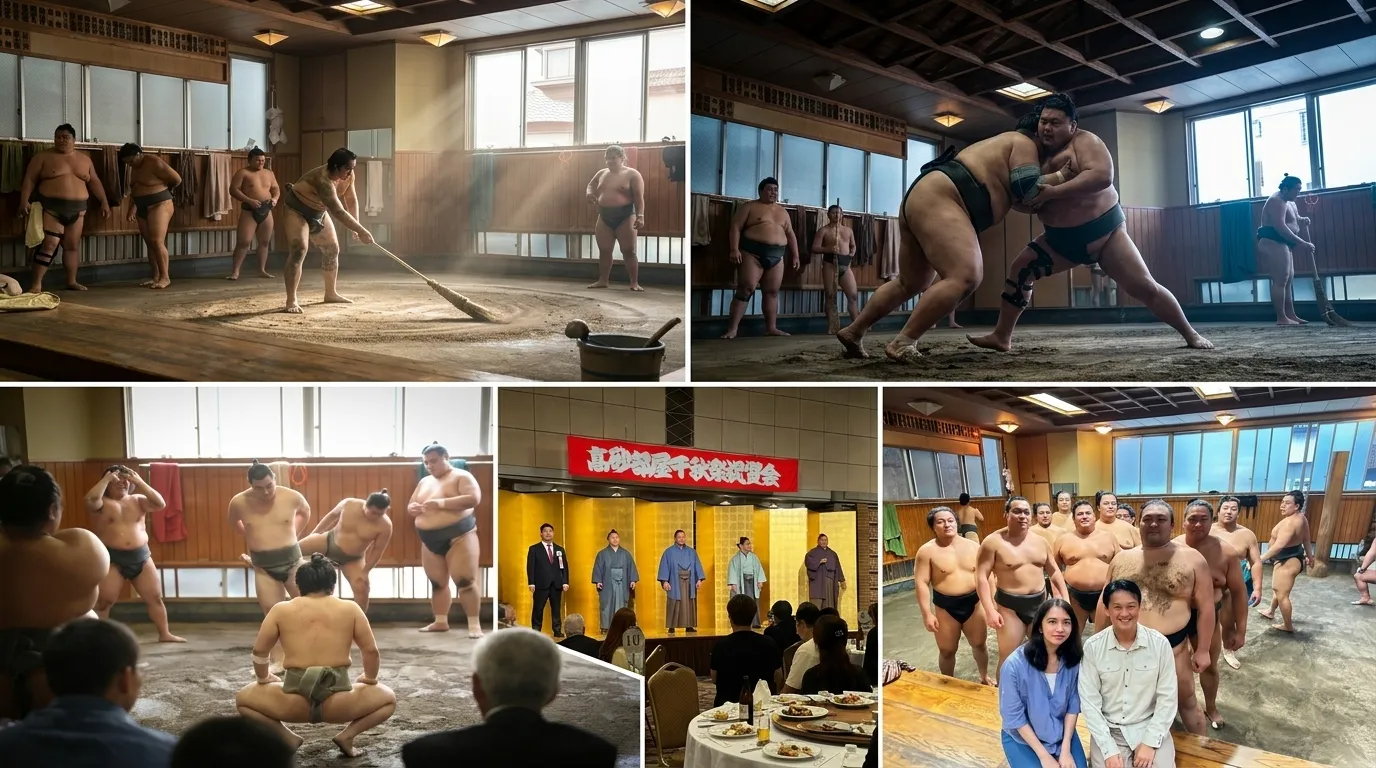
Takasago-beya was born from a massive rebellion back in 1873 when Takasago Uragoro got totally sick of the Tokyo Sumo Association and just walked out. Took 40 guys with him. Demanded better treatment and the suits caved. He came back to found this stable and that defiant blood-and-guts energy still dictates the vibe.
The Rich History Behind the Prestigious Takasago-Beya Sumo Tradition
Six yokozuna came from this room.
Asashoryu. You know the name if you follow the sport at all. The Mongolian grand champion who terrified people and pissed off the traditionalists. Konishiki was here before him, that massive Hawaiian who became the first foreign ozeki in 1982. They smashed the glass ceiling.
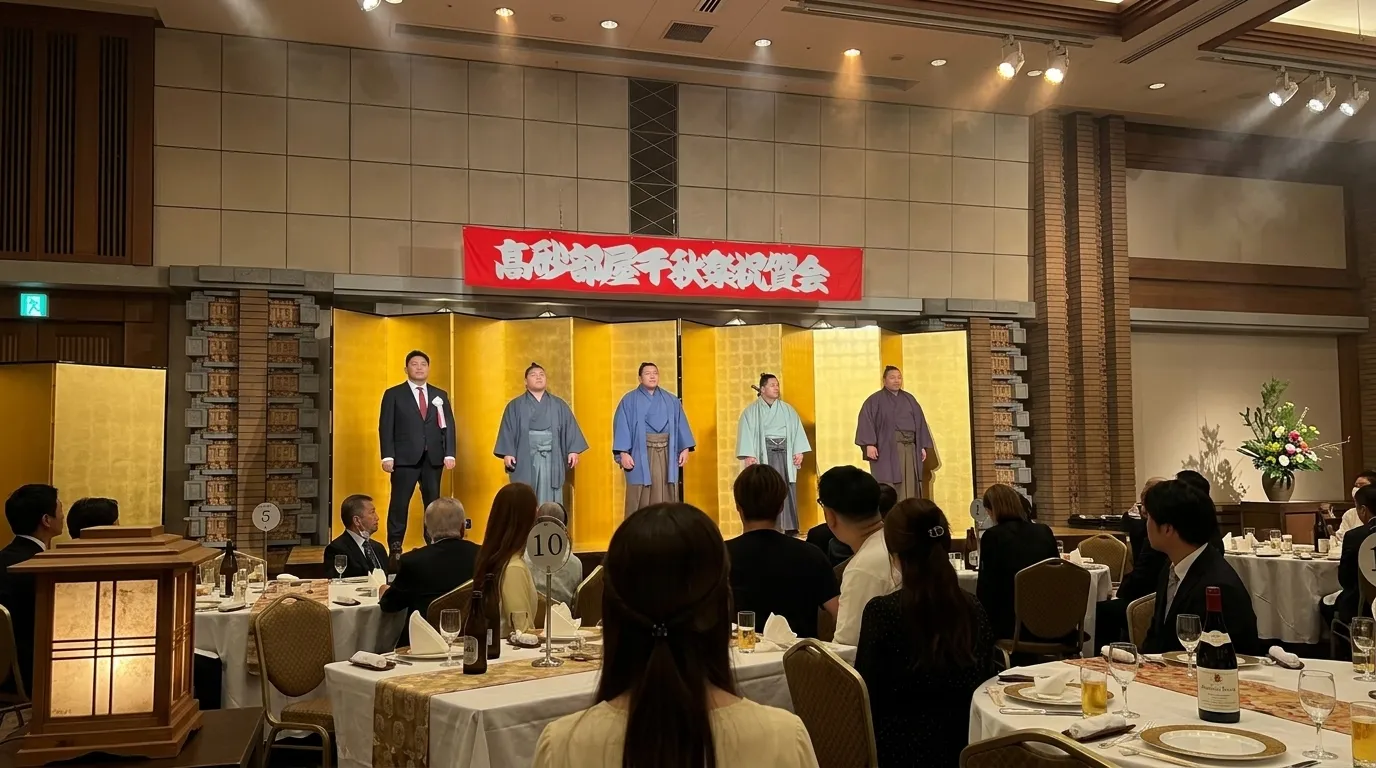
To understand their sheer grit today just look at Asanoyama. The guy hit rock bottom after breaking COVID rules. Stripped of his rank and dumped in the lowest divisions. Tore his ACL in 2024. Everyone wrote him off but he stayed. Scrubbed toilets with literal teenagers. By January 2026 he crawled back to the Makuuchi division – the first wrestler ever to drop to sandanme and return to the top twice. Insane.
Asasekiryu runs things now. Former sekiwake from Mongolia who took over in 2020 after nearly 700 career wins. It’s a tight squad of maybe 25 active wrestlers today but they hit violently above their weight class. Asanoyama’s comeback mixed with rising guys like Asahakuryu and Asasuiryu caused a historic triple promotion to sekitori in late 2025. First stable to pull that off in 46 years.
Planning Your Takasago-Beya Visit: Tour Options and Ticket Reservations
Look, booking this alone is a fool’s errand. Flawless Japanese required to call them up and they gatekeep hard for their private supporters club anyway. Plus random cancellations for health rules.
Pay a guide.
Platforms like Klook or GetYourGuide or Jasumo charge around 15,000 yen. Worth every penny to skip the nightmare logistics. Meet your guide at Ryogoku Station. Oedo Line Exit A3. 7:45 AM sharp. Do not be late because they will absolutely ditch you. Ten-minute walk through freezing morning streets… maybe check your booking a week prior since grand tournament schedules mess everything up.
Inside the Historic Takasago-Beya Stable: Life as a Professional Rikishi
The smell just clocks you immediately. Sweet bintsuke hair wax mixed with stale sweat and damp dirt.
They moved into a fresh Ishiwara building in early 2025. Hoshoryu did a special ring-entering ritual to bless the new clay. But shiny walls don’t fix a medieval reality. It is a strict hierarchy dictating every breath. A self-contained feudal village. You’ve got tokoyama hairdressers who spend ten years learning to tie that elite oichomage ginkgo topknot. Referees called gyoji and yobidashi ushers live there too. The teenage rookies wake up in the pitch black to scrub toilets, cook the massive meals, prep the dirt ring. Servants.
AI Planning your trip? Ask AI Tokyo Concierge
Get personalized help based on this guide, your travel dates, budget, and plans.
You see the sheer exhaustion bleeding out of their eyes.
Sumo isn’t a career path. It is a consuming existence where you eat and sleep with the same two dozen sweaty men in communal dorms. No privacy. Nowhere to breathe.
Witnessing the Intensity of Morning Takasago-Beya Training Up Close
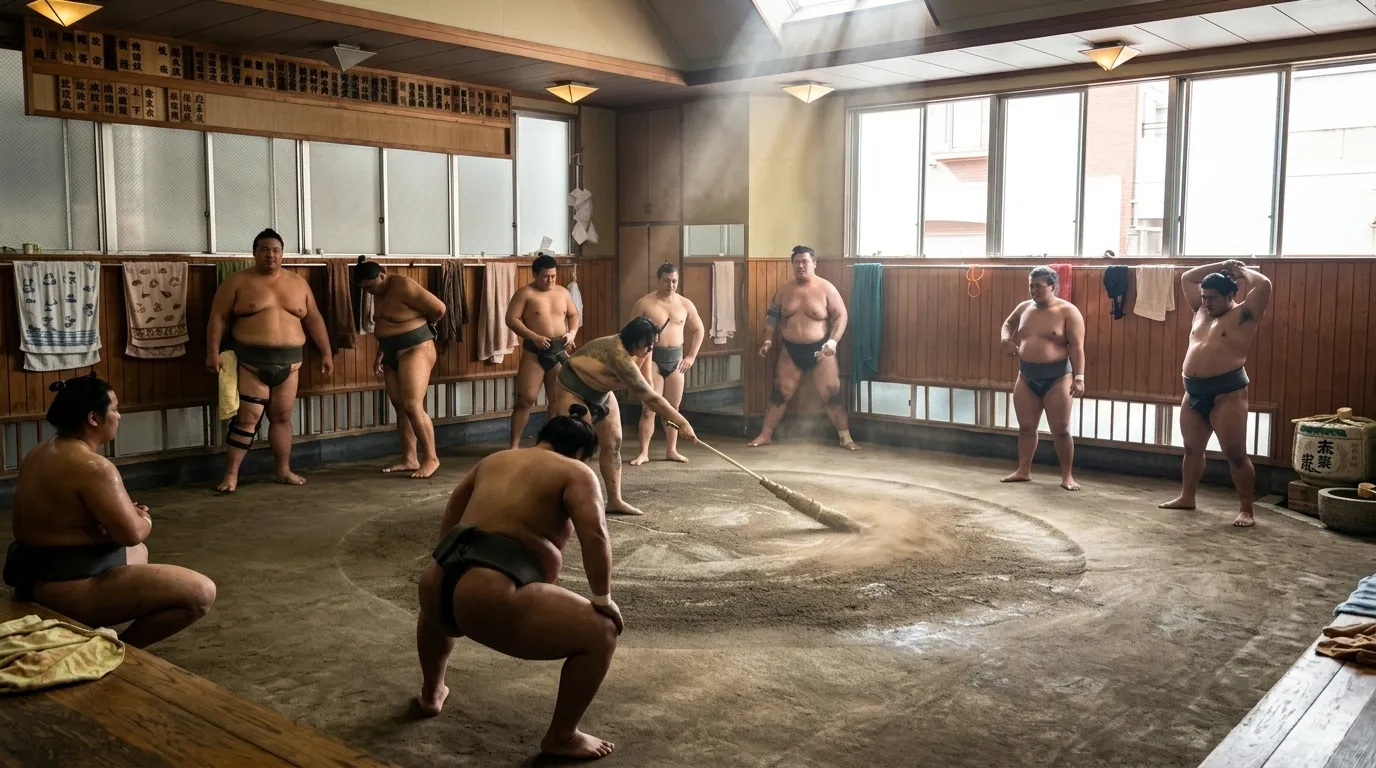
Asageiko is morning practice.
It is violence.
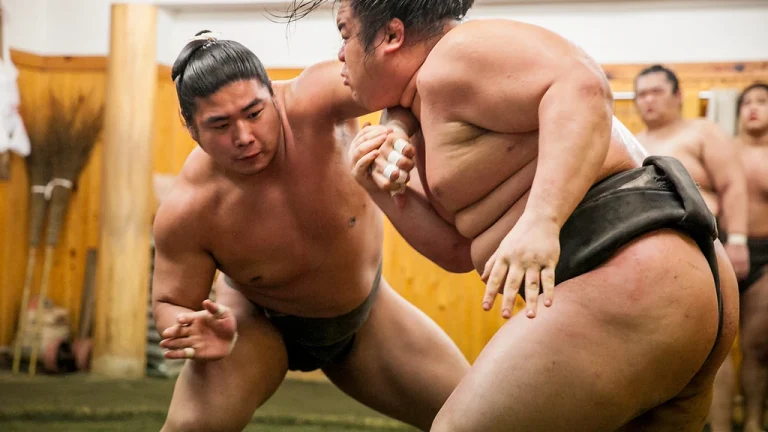
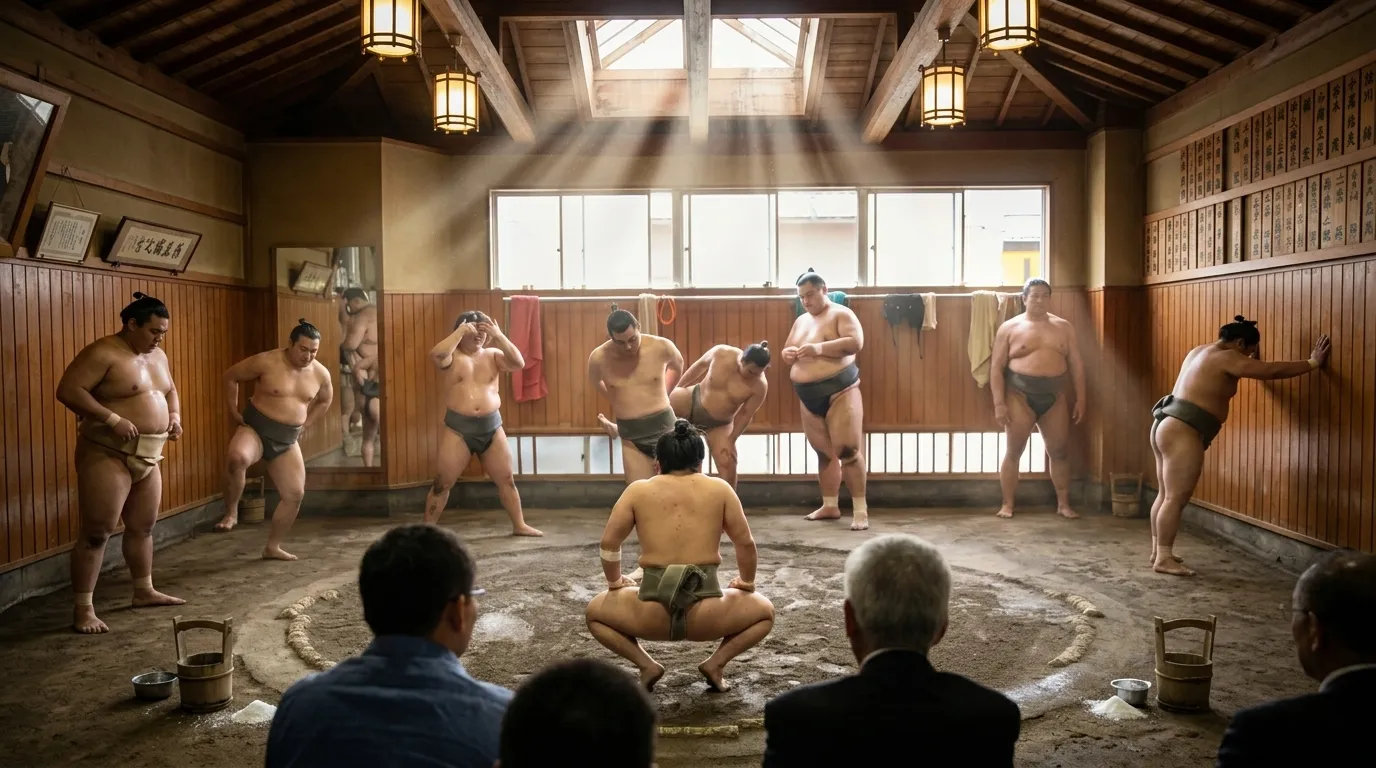
The silence in the room is heavy. Just the sickening slap of meat and deep guttural breathing echoing around. Hours of brutal centuries-old drills. Shiko leg stomps to balance gravity and ward off spirits or whatever. Teppo where they smash their bodies against a massive pillar to build striking force. Suriashi gliding feet across the clay in a low agonizing squat.
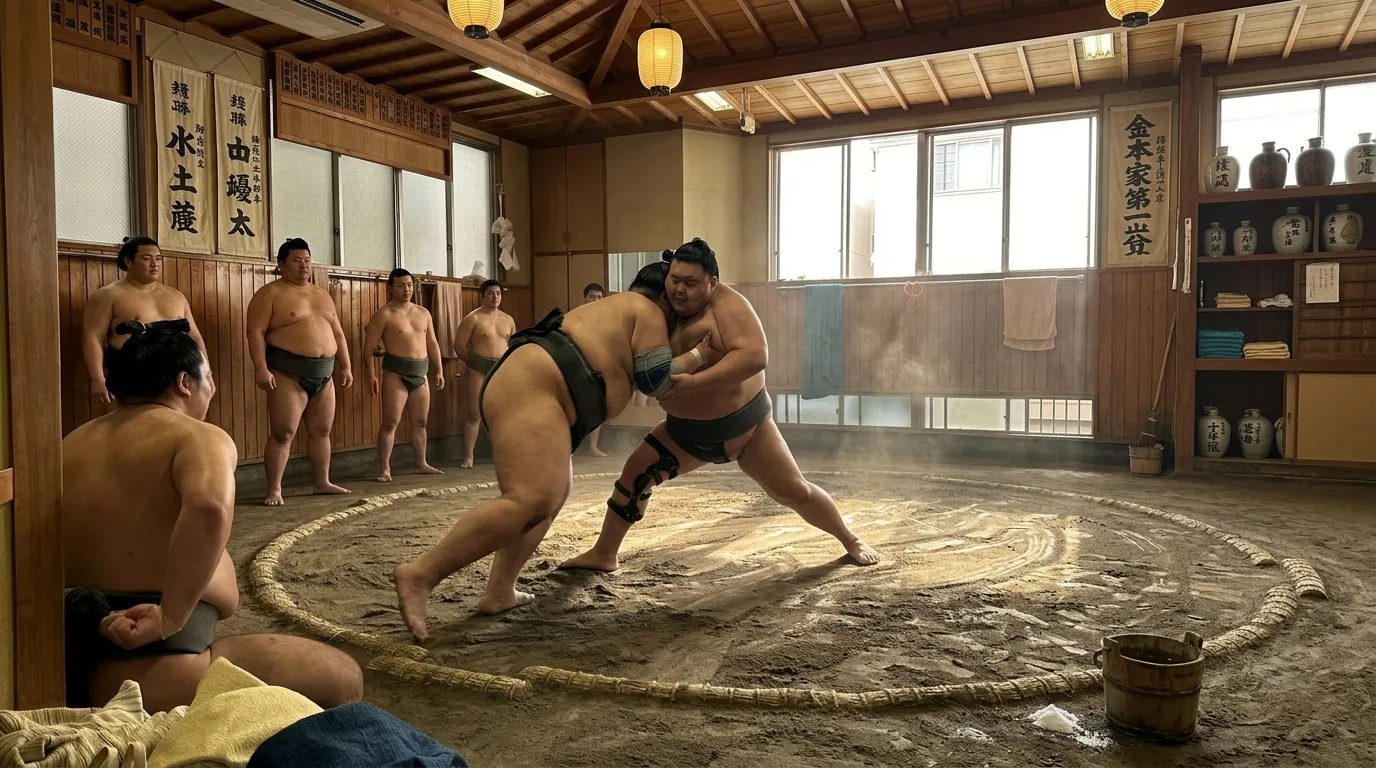
Then the sparring erupts. Moshiai is a savage winner-stays-on drill. Guys screaming to be picked next by the victor. They finish with butsukari-geiko. A collision nightmare where a junior hurls himself full speed at a senior, gets tossed face-first into the dirt, stands back up. Repeats until his legs give out.
Mud splatters the walls. Floor shakes when a 300-pound man hits the earth. Stablemaster sits there dead silent. When he talks they all freeze. Nobody drinks water. I saw a dude rinse his mouth from a tin ladle and spit it into a bucket. Pushing human bodies to a sickening edge. Makes regular sports look like a joke.
The Post-Training Ritual: Hairdressing and the Chanko Nabe Feast
The heavy lifting is only part of the nightmare; they also have to gorge themselves.
Practice ends and hierarchy decides the showers. Elite sekitori bathe first and sit with the tokoyama to get their hair oiled. The bruised rookies head straight for the kitchen. Chanko nabe. That legendary sumo stew. Stablemaster eats before anyone else. Then the sekitori devour huge bowls of heavy broth and mountains of white rice while the exhausted kids wait on them hand and foot. Trainees eat the scraps when the big guys finish.
I honestly think the sleeping part is wild. Right after lunch they sleep. Mandatory sleep on a bloated stomach is how they pack on that essential armor. Walk past the dorms in the afternoon and the walls are rattling with snoring.
Strict Rules and Etiquette Guidelines for Watching Sumo Morning Practice
Sit down and shut up.
That is the only rule you really need to care about. Not a tourist trap. You are an invader in their home. The guide hands you a pitiful zabuton cushion. You sit at the back. Cross-legged or seiza kneeling which absolutely kills your knees. Do not point your soles at the dirt ring. The dohyo is a Shinto shrine purified with salt. Holy ground. Treating it like a gym floor is a massive insult. Don’t talk. Don’t whisper a single word. Phones on dead silent. No flashes and no shutter sounds. I watched a guy get ruthlessly ejected because his phone beeped. Zero food or drinks allowed. Locked in place for two hours watching these giants bleed into the dirt. My legs died completely. Too terrified to shift my weight and make a floorboard creak.
Taking Commemorative Photos with Wrestlers After the Session
Tonal whiplash when practice ends.
Stablemaster signals the finish. They bow to the shrine. Bow to each other. Suddenly these terrifying monsters just revert back to normal twenty-something guys. Wiping mud out of their eyes. Guides corral you for photos.
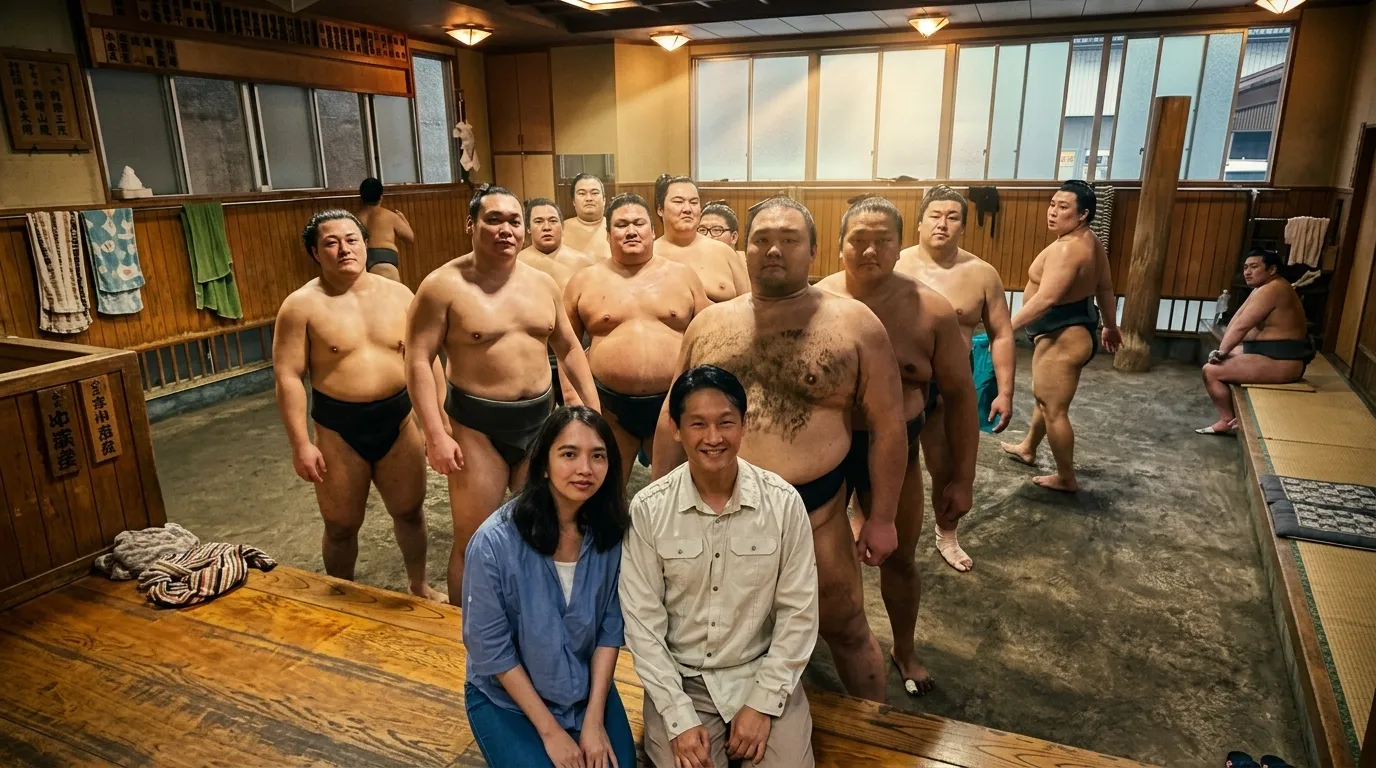
The wrestlers are weirdly cool about it. Standing outside in the freezing air. Massive frames making tourists look like absolute toddlers. I looked ridiculous standing next to them. Respectful nods work fine if you don’t speak Japanese. Some regulars were cracking jokes with them . . . surreal way to end a heavy morning.
Top Sightseeing Spots in Ryogoku and Asakusa After Your Sumo Tour
You stumble out around 10 AM. Starving. Legs paralyzed.
Ryogoku is the heart of the sumo world. Get some chanko nabe. Dozens of spots run by retired fighters selling their personal recipes. Broth is insane. Salty and loaded with giant meatballs. Check out Kokugikan stadium after you eat. Museum is usually open even if there’s no tournament happening.
Walk over to Asakusa. Takes twenty minutes over the Sumida River. Senso-ji temple is right there. Packed with clueless tourists dragging luggage but that massive red lantern at Kaminarimon is worth the headache. Skip the main street. Wander into Kappabashi Kitchenware Town. Buy a fake plastic beer or a handmade chef’s knife that could slice through bone.
Messy and loud. Perfect Tokyo day.