Sumo history is usually a total slog of dates and dusty names. Tatsunami Beya is different. It stands out like a neon sign in a dark alley. People say it was founded in 1876, but the version we actually care about took root in 1915. That was under the 4th generation master, a former Komusubi named Midorishima.
The Storied Legacy of Tatsunami Beya: From Futabayama to the Modern Era
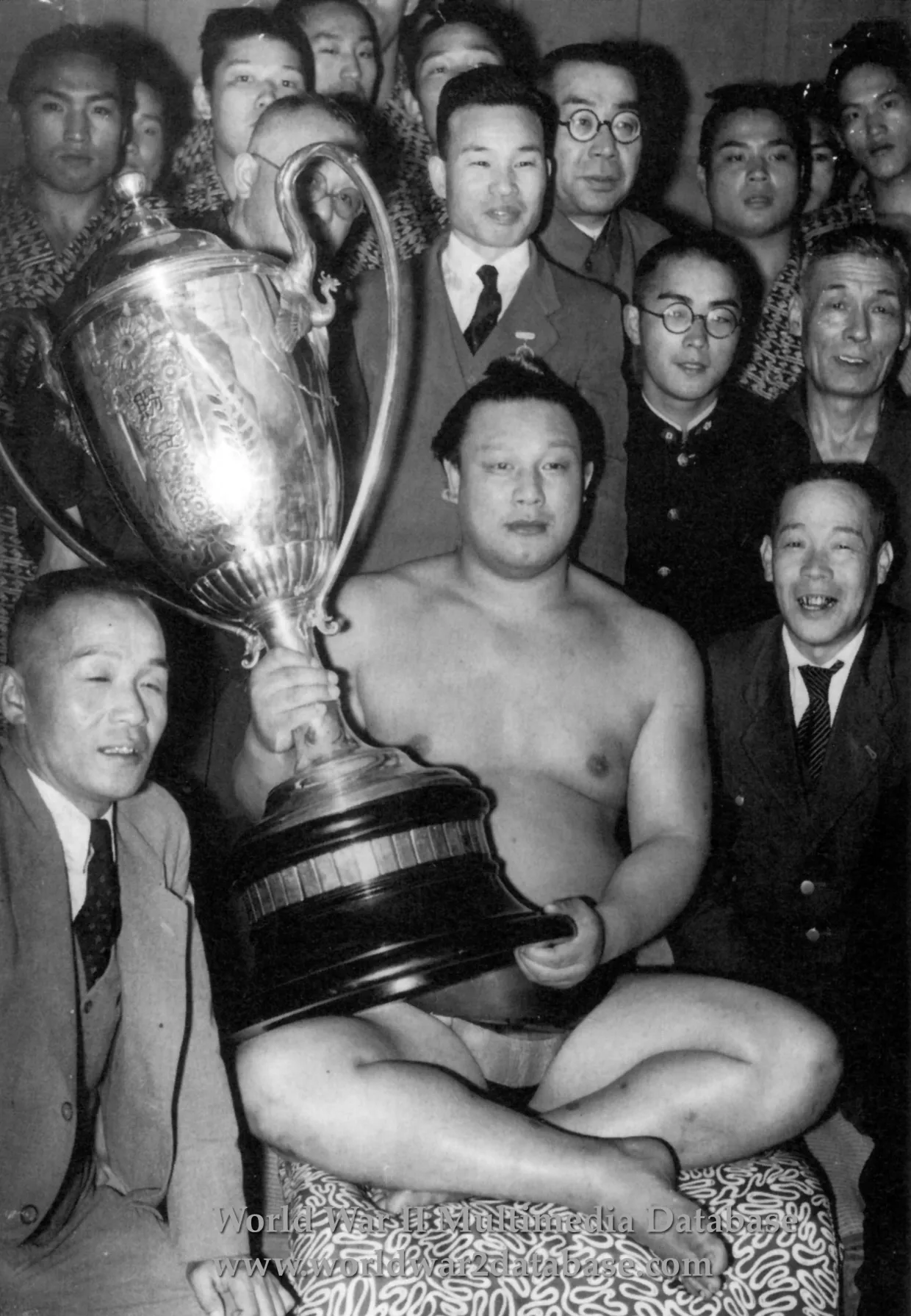
The name everyone still whispers is Futabayama. He won sixty-nine matches in a row between 1936 and 1939 – a record that makes current wrestlers look like amateurs. Most people forget he was basically a superhero in a loincloth. He did all that while being blind in his right eye. He also had a crushed little finger from some childhood accident. His dominance was so crazy it broke the monopoly of the Dewanoumi stable. That started a golden age for Tatsunami, producing back-to-back Yokozunas once Haguroyama got promoted.
The stable hasn’t stayed put. It spent decades in Ryogoku, then did a weird, lonely stint in Ibaraki Prefecture. In April 2021, they moved again. They’re in a shiny, custom-built facility in the Taitō district of Tokyo, right near Asakusa. They took over the old Tokiwayama stable spot. It’s a shift from those cramped, old-school quarters to something powerful. The lineage is full of giants, but the grit stays the same. They just keep making Yokozunas and Ozekis like a factory.
Meet the Stars of the Ring: Yokozuna Hoshoryu and the Current Roster
Right now, the world revolves around Hoshoryu. In January 2025, the Mongolian phenom finally hit the top. He’s the 74th Yokozuna. He’s the nephew of the legendary “bad boy” Asashoryu. You can see that same fire. He has this intense stare – the kind that makes you want to check if you left the stove on before the match even starts. He isn’t just about power, though. He’s a technical beast. He uses those Mongolian-style trips and throws to upend 400-pound men in a heartbeat.
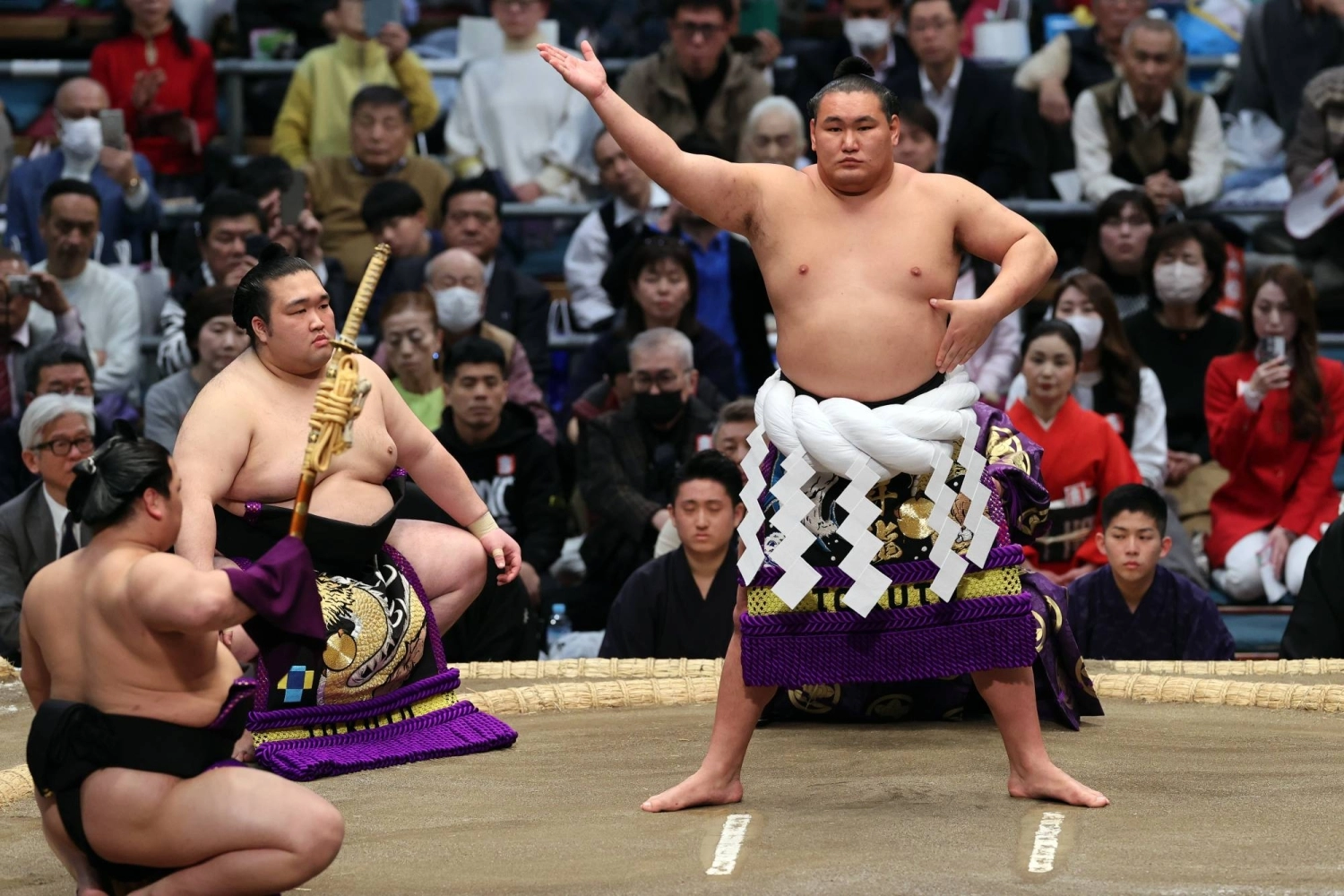
Then there is Meisei. He’s steady. A former Sekiwake who just won’t quit. He puts in the work and stays at the top because he’s tough as a weathered brick. And Akua? He’s a fan favorite. His salt-throwing technique is flamboyant. It looks like he’s trying to season the people in the front row.
The roster has some historical oddities too. Like Hanakaze. He held the record for the longest career in history, having started way back in 1986. It’s a balanced group. High-level technicians, massive walls of flesh, and veterans. That is why they’re back at the top of the hierarchy.
The Intensity of Asageiko: Inside a Typical Morning Practice at Tatsunami
If your 6 AM gym trip feels hard, you haven’t seen asageiko. Practice starts while most people are still hitting snooze for the third time. The air gets thick. It smells like sweat and bintsuke-abura – that sweet, waxy hair oil. No music. No shouting.
Thwack.
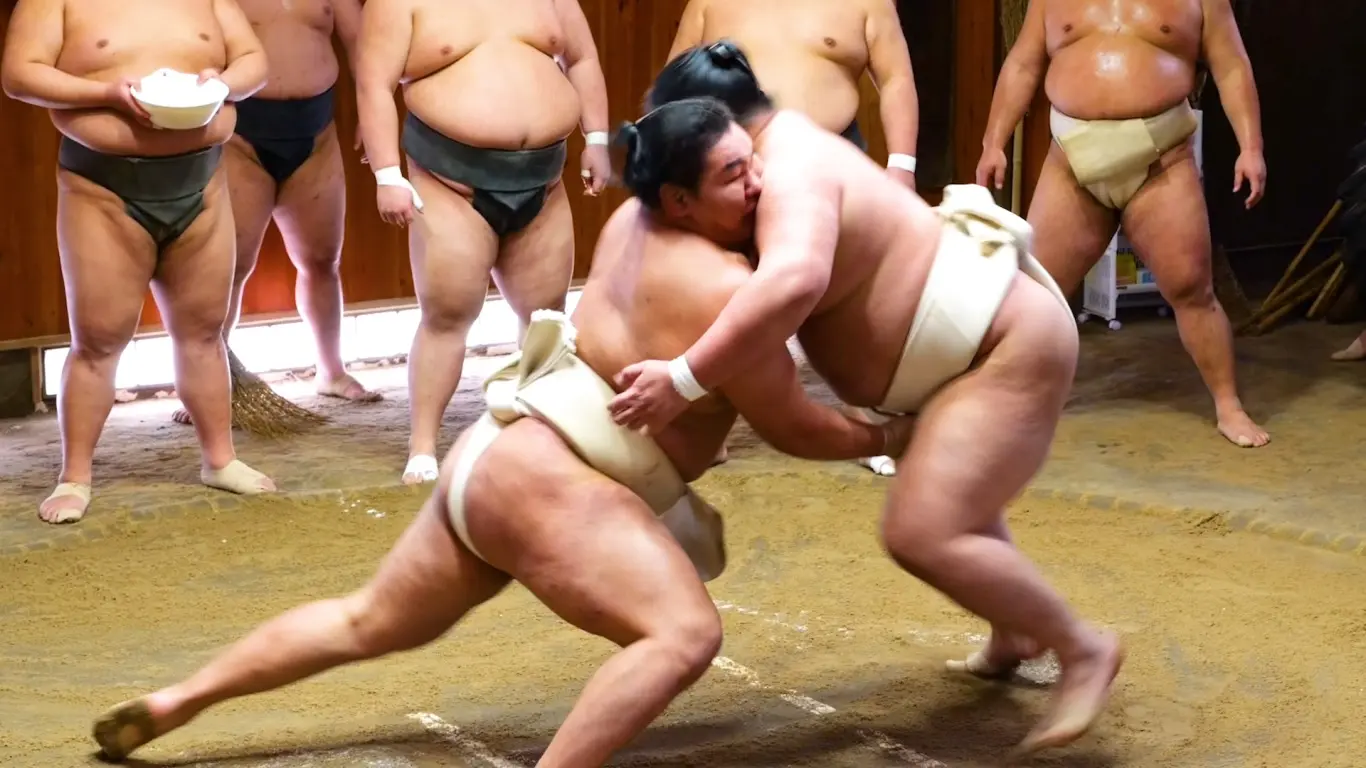
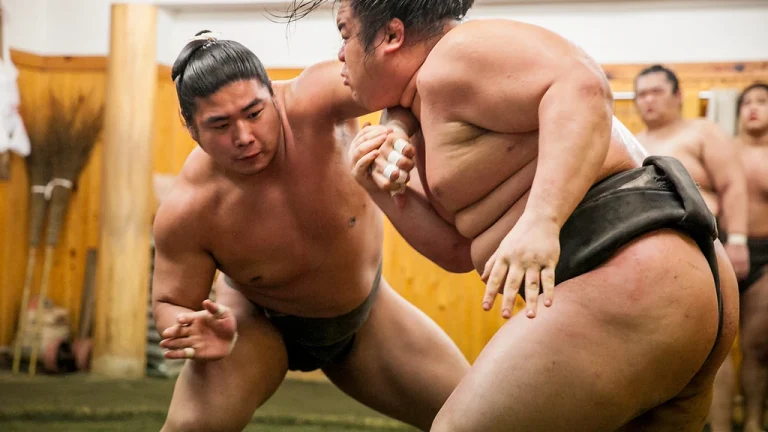
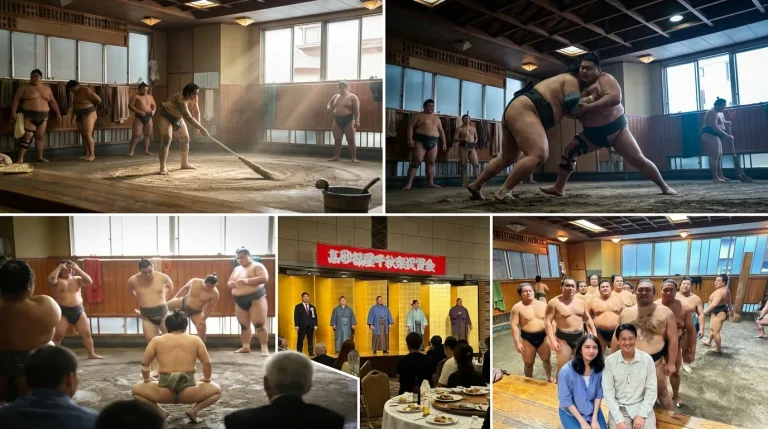
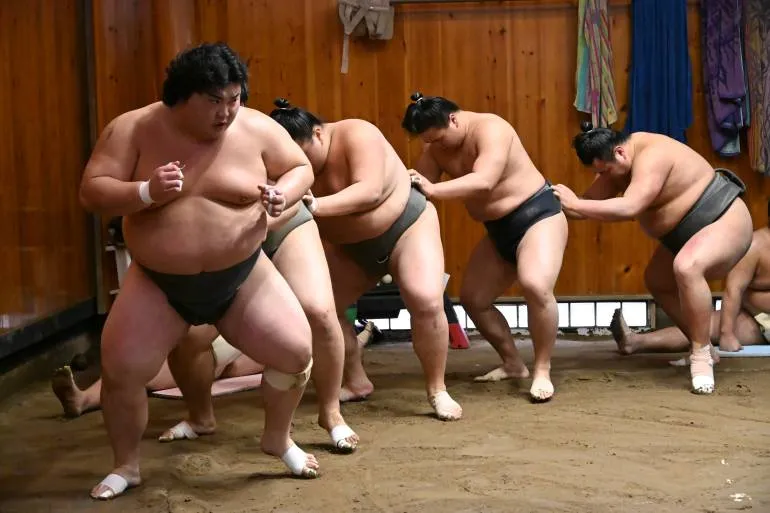
It’s a sound you feel in your teeth. Wrestlers do shiko – those deep leg stomps – for what feels like hours. Then comes butsukari-geiko. One guy is a human sled. The other pushes him across the dirt until they both look like they might die. In the new Taitō building, this happens on a ground-floor dohyo (ring) that people can see from the street. It’s a reminder that while Tokyo gets modern, the brutal Edo period traditions are alive behind the glass. The young guys do the heavy lifting. The stars, the sekitori, come in later to show them how it’s done. It’s a hierarchy of pain.
Visiting Tatsunami Beya: Location, Reservations, and Access Tips
Tatsunami moved to the Asakusa/Taitō area. That made it easier for fans to find. It’s a short walk from Asakusa Station. Or a 20-minute stroll from Senso-ji temple. Getting in isn’t easy. You can’t just knock on the door. You need a tour operator or a connection.
AI Planning your trip? Ask AI Tokyo Concierge
Get personalized help based on this guide, your travel dates, budget, and plans.
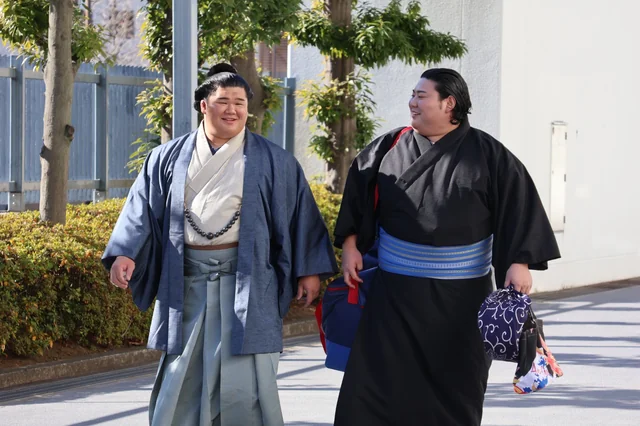
Try the official Tatsunami website or Japanese travel agencies. They do “stable visits.” Use the Ginza Line or Asakusa Line. Get off at Asakusa Station and walk north. You’ll probably see a wrestler in a kimono on a bicycle. It looks surreal. That is how you know you’re close.
Essential Sumo Etiquette: Rules for Observing Training Sessions
Don’t be “that tourist” if you get in. This is a place of work. It’s almost a temple. Be silent. No talking or whispering. Don’t crinkle snack bags. I’ve seen people get tossed out for less.No Flash Photography: It blinds them. They’re throwing hundred-pound bodies around; they don’t need strobe lights.
Sit Still: Don’t get up and wander.
Feet Placement: Never point your soles at the dohyo. It’s rude. Cross your legs or sit on your heels until you cramp up.
Dress Modestly: No beachwear.
Entering and Exiting: Bow toward the ring. It’s the house of the kami (gods). You’re just a guest.
The Leadership of Tatsunami Oyakata: Coaching the Next Generation of Rikishi
The man in charge is Tatsunami Taiji, the 7th generation master. He was Asahiyutaka back in his fighting days. He was a technical wizard who reached Komusubi. He wasn’t even originally from Tatsunami. He came from Oshima stable. He married the daughter of the previous master – the former Ozeki Asahikuni – to get the name.
His coaching is like his career. Cerebral. Focused on leverage instead of just bulk. He doesn’t scream much. He just sits on his cushion with his arms crossed. He watches everything. He wants to build “complete” wrestlers. Guys who win with belt throws or push-outs. He’s also a political maverick. He pulled Tatsunami out of its own group to join the Dewanoumi Ichimon. It shocked everyone, but it saved the stable’s future.
Life Inside the Stable: Chanko, Discipline, and Superstition
Life as a lower-ranked wrestler is miserable. You wake up early and clean toilets. You become a chanko-ban, the cook. The food, chanko-nabe, is about survival. During tournaments, they don’t put four-legged animals in the pot. Why? Because a wrestler on all fours is a loser. They eat chicken. The “two-legged” bird is a lucky charm. It means they stay upright.
The diet is crazy. 20,000 calories a day. Protein stew, piles of rice, and beer to get fat. But the discipline is constant. They live together. They scrub each other’s backs in the bath. It’s a brotherhood with a strict pecking order. You don’t touch your chopsticks until the Yokozuna is done with his second bowl.
The Tatsunami Virtual Support Club: A Global Digital Front Row
Sumo is ancient, but Tatsunami is actually tech-savvy. They have an International Support Club for fans who can’t get to Tokyo.
You pay a monthly fee, maybe $5 to $20, and get:
Banzuke Mailings: Real ranking sheets sent to your house.
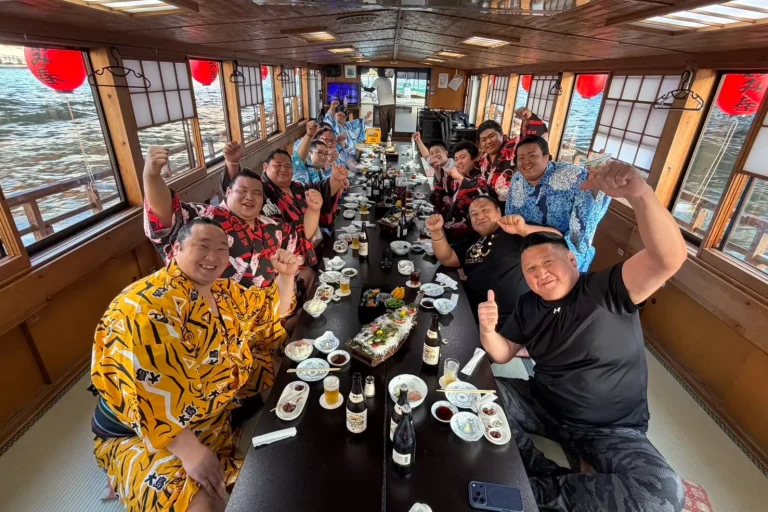
Behind-the-Scenes Access: Videos of them relaxing or cooking. Even the “Senshuraku” parties.
Virtual Practice: Sometimes they live stream the morning training.
It’s a way to see the human side. They laugh. They mess around with the tokoyama, the guys who use waxy oil to fix those topknots.
Why Tatsunami Beya is the Ultimate Destination for International Sumo Fans
If you want the real deal, go to Tatsunami. Some stables are boring or closed off. Tatsunami has elite talent like Hoshoryu but keeps a strict atmosphere.
It’s in the heart of historic Tokyo. You can watch the most physical sport on earth in the morning, then hit the Asakusa markets. It feels authentic. Not like a tourist trap. You see a way of life that hasn’t changed in centuries. Even if they have a YouTube channel now. If you get a reservation, take it. It’s as close as you’ll get to the heart of the gods. Honestly.