You think you know what a champion looks like? You don’t. A gold medalist is an athlete. A Yokozuna is something else entirely. Something ancient. We are talking about fewer than eighty men in the entire history of the sport. Ever. Fewer than eighty. Let that sink in for a second.
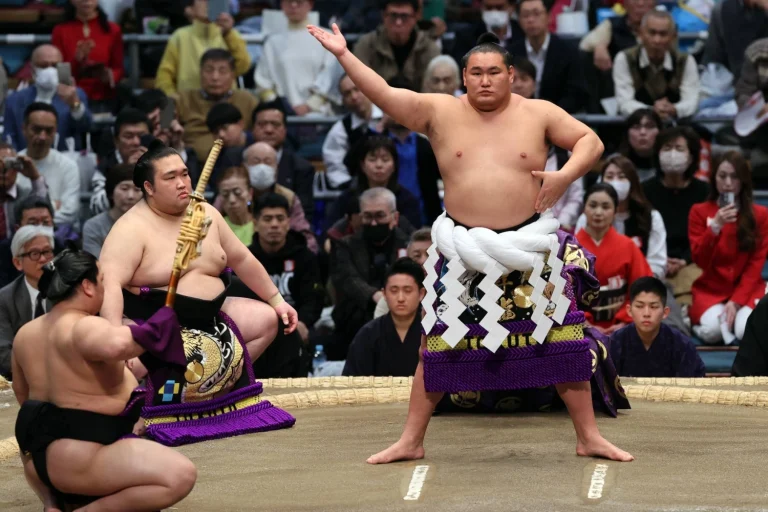
This isn’t just wrestling. It’s religion. That white rope – the tsuna – clamped around their massive waist? It’s the exact same sacred marker you see at Shinto shrines to scare off demons. When a Yokozuna steps into that ring, he isn’t warming up. He is purifying the dirt beneath his feet.
The stakes are insane. Other ranks allow you to have a bad year, drop down, claw your way back. Not here. A Yokozuna cannot be demoted. It’s up or out. If he starts losing, he doesn’t get a pity rank. He has to retire. Gone. The only way out is glory or absolute shame. You feel this tension when you’re in the room with them. It’s a heavy, suffocating mix of power and the terrifying fragility of perfection.

The Impossible Standard: How a Wrestler Becomes a “God”
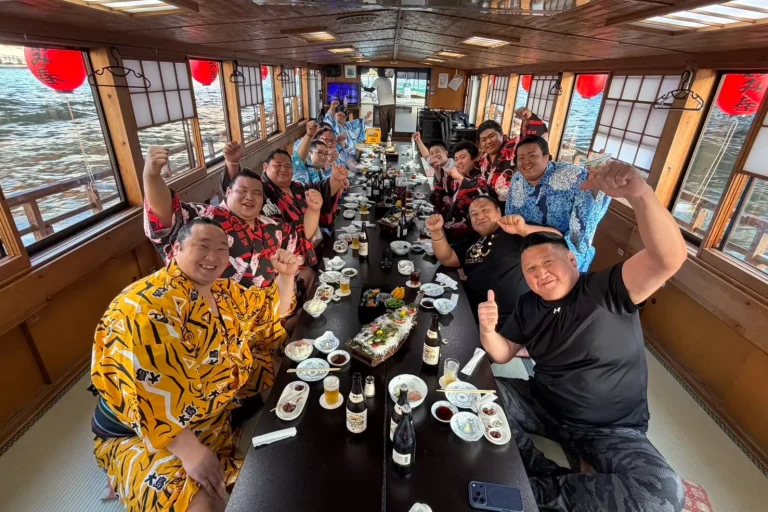
Look at the guy sitting across the table. To understand him, you have to understand the grinder he survived. There is no checklist for becoming a Yokozuna. You can win the tournament and still get rejected.
It’s up to the “Yokozuna Deliberation Council.” A bunch of outsiders – academics, business tycoons – who judge not just if you can fight, but your hinkaku. Your dignity. Grace. Usually, you need two consecutive championships as an Ozeki to even be considered.
But that’s not a guarantee. If your sumo is “ugly” or you act like a jerk, they block you. It’s subjective. It’s unfair. That’s why meeting one of them feels different than meeting a UFC fighter. You aren’t just meeting a winner. You are meeting someone certified by a council of elders as a cultural deity.
Types of Encounters: Private Dinners, Stable Visits, and VIP Events
Most tourists settle for the nosebleeds at Ryogoku Kokugikan. Watching ants throw salt. Boring. You want to see the sweat. The real violence of it.
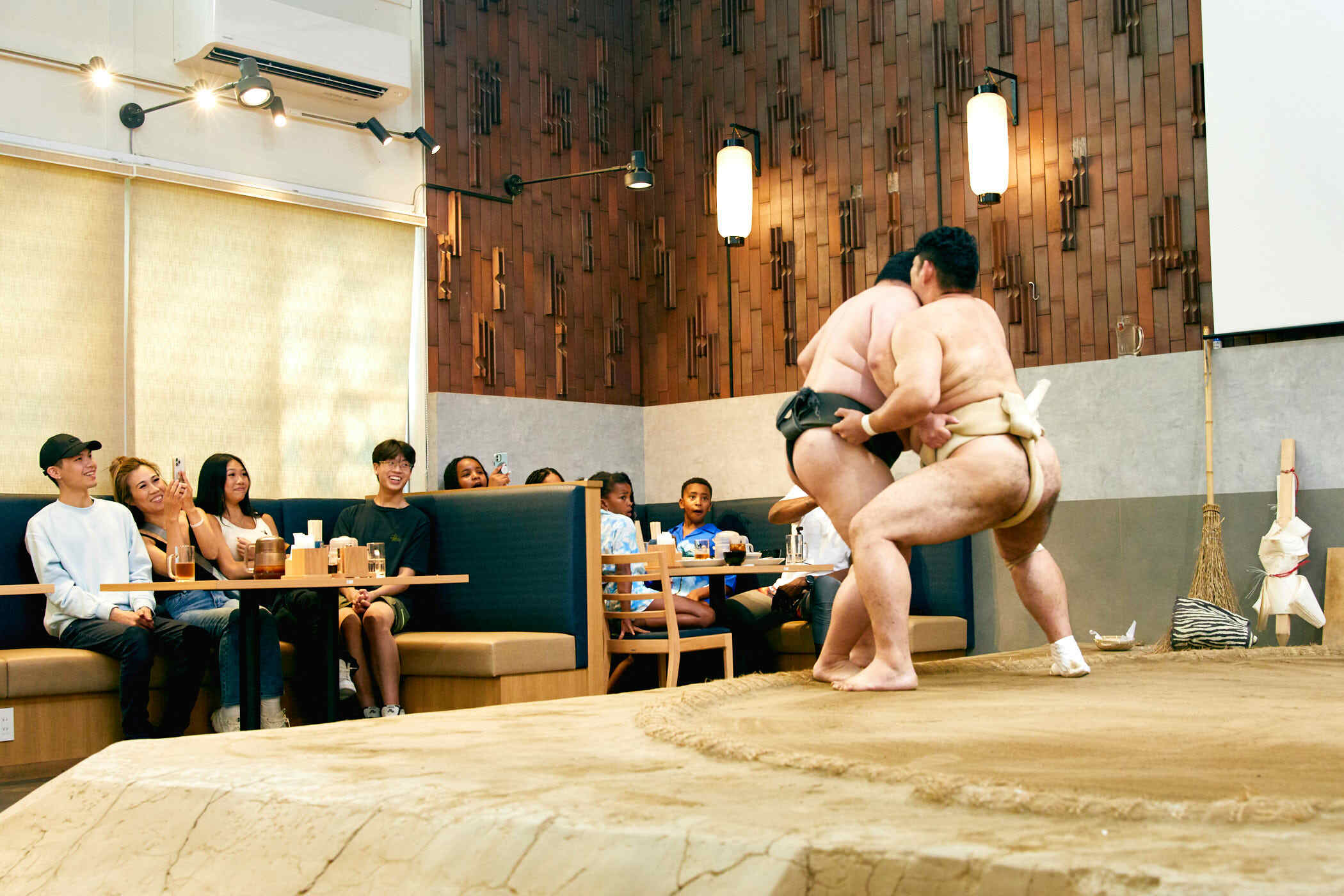
Three ways to do this. First, the VIP Dinner Show. Usually at a sumo-themed restaurant run by a retired guy. It’s loud. It’s fun. It’s built for foreigners who want a photo and a beer.
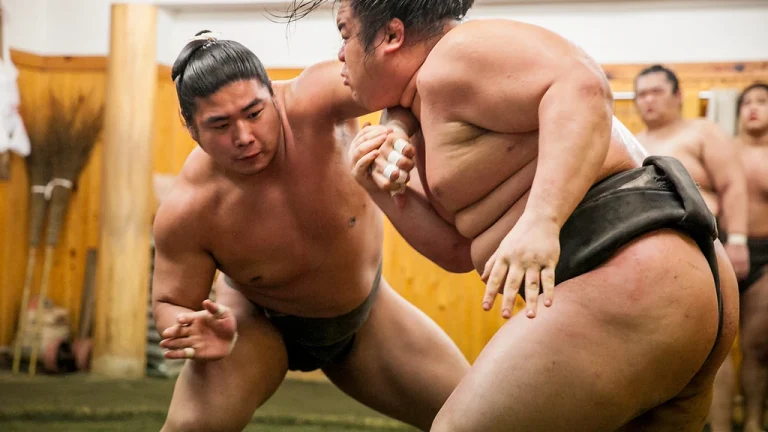
Then the Private Stable Visit. The holy grail. You get into a heya for asageiko (morning practice). It’s dead silent. You watch kids get smashed into clay walls for three hours straight. The stablemaster watches, arms folded, judging. It’s brutal to watch.
Or, the Exclusive Private Dinners. Big money. Arranged by fixers. A retired Yokozuna comes to eat with you. No script. Just dinner. You’re clinking glasses with a man who used to toss 400-pound giants for a paycheck.
AI Planning your trip? Ask AI Tokyo Concierge
Get personalized help based on this guide, your travel dates, budget, and plans.

The Entourage: Understanding the Tsukebito System
He won’t be alone. A Yokozuna is never alone. He’ll have his tsukebito – attendants – hovering.
The hierarchy here is feudal. Absolute. A Yokozuna doesn’t drive. He doesn’t carry a bag. He barely scrubs his own back. The tsukebito do everything.
Watch them during dinner. It’s wild. They know what he wants before he knows. He reaches for a smoke? Lighter is already lit. Thirsty? Glass is full. It’s a master-servant dynamic that doesn’t exist in the real world anymore. But here, it’s law.
The Welcome Ceremony and Traditional Rituals Up Close
If you see a formal demo, look for the Dohyo-iri. The ring entrance.
It’s theatrical. Terrifying, actually. He glides in with his sword-bearer (tachimochi) and dew-sweeper (tsuyuharai). Then comes the shiko. The leg stomp. He lifts that tree-trunk leg high – pause – silence – and slams it down.
Thud.
It’s supposed to drive evil spirits into the ground. When you are standing three feet away, the floorboards actually rattle. You believe it. In a private room, they might drop into a full split (matawari) just to show off. A 350-pound man doing the splits. It defies physics.

The Sacred Gear: The Kesho-Mawashi
Don’t just stare at the face. Look at the apron. The kesho-mawashi. That thing costs as much as a Porsche. Seriously. $10,000 is cheap; some are $50,000 or more.
Thick silk. Gold and silver threads. Gifts from sponsors who want their names on a god. The designs are crazy – waves, dragons, sometimes a corporate logo made to look ancient.
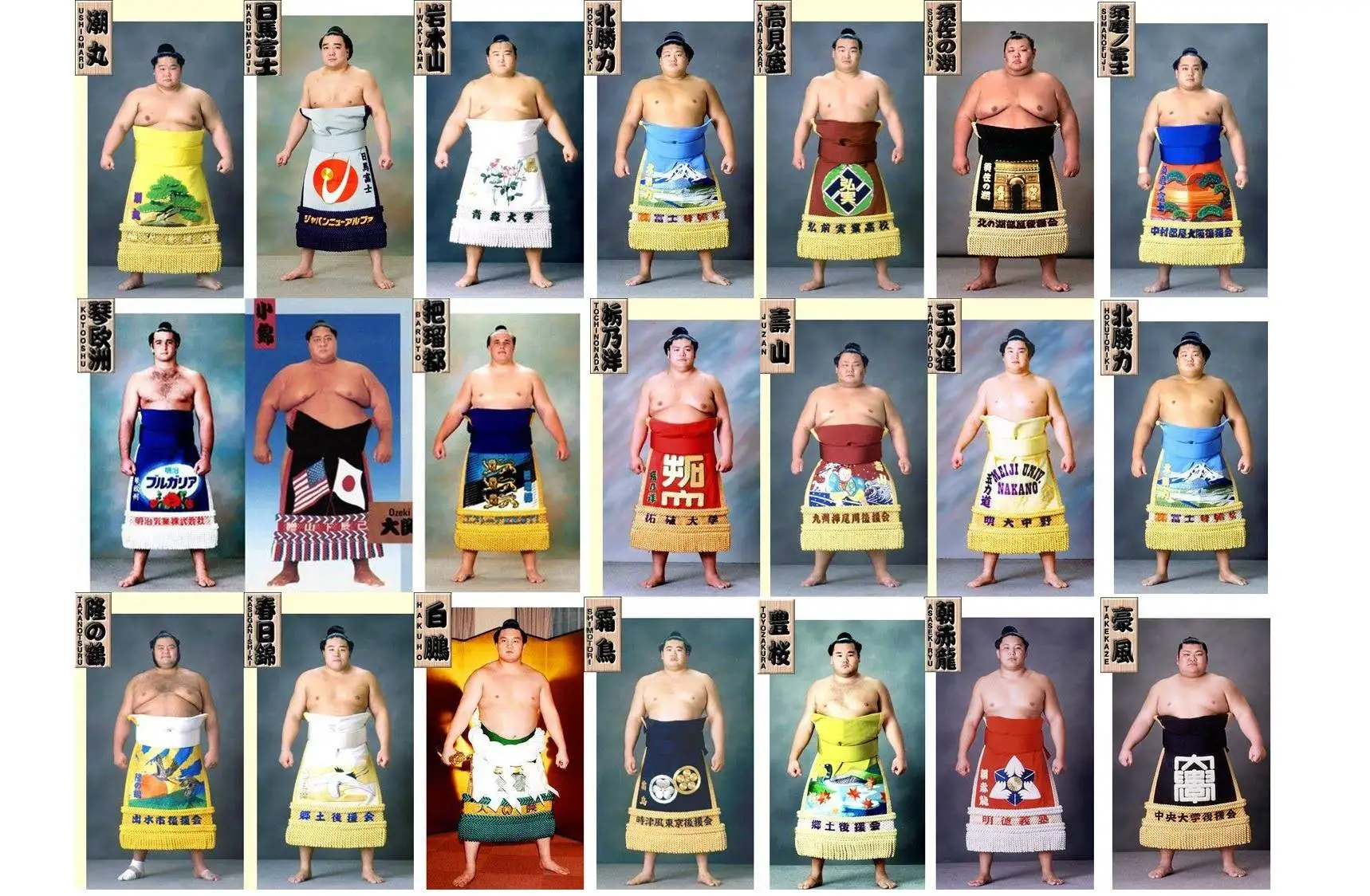
It weighs twenty pounds. Just the apron. Imagine pivoting with a weighted blanket tied to your waist.
Dining with Giants: Exploring the Chanko Nabe Lunch or Dinner
You can’t skip Chanko Nabe. It’s the fuel. It’s a massive hot pot.
Forget plating. This is functional. Chicken or dashi broth, loaded with protein balls, pork belly, shrimp, tofu. Whatever builds mass.
In a private setting, you eat from the same pot. It’s communal. Junior wrestlers serve you because that’s their job. It’s tasty, sure, but the point is volume.
Wait for the zosui at the end. Rice and egg dumped into the leftover sludge. Honestly? It’s the best part. Salty. Rich.

Beyond the Pot: What Else Do They Eat?
It’s not just stew. These guys are carnivores. High-end Wagyu. Piles of tonkatsu.
Funny thing about history – wrestlers used to avoid four-legged animals before a match. Because losing means touching the ground with your hands (four legs). Chicken stands on two legs. Good omen. Now? They don’t care. They’ll smash a plate of beef tongue without blinking.
Personal Interaction: What to Ask a Grand Champion During Q&A
People ask stupid questions. “How much do you weigh?” “Is the belt itchy?”
Don’t be that guy. They’re bored of it.
Ask about the fear. Ask about the mind.
- “How do you clear your head before the tachiai?”
- “Which opponent actually terrified you?”
- “What does hinkaku mean when you’re buying groceries?”
I asked a guy about his grip on the mawashi once. He grabbed my arm to show me the leverage. Hurt like hell. It was awesome. Also, ask about hobbies. Some of these destroyers love baking cupcakes or playing RPGs. They’re just dudes.
The Shadow of the Top Knot: The Danpatsushiki
If he’s retired, look at his hair. If it’s a normal businessman cut, ask about the Danpatsushiki. The cutting ceremony.
It’s a funeral. A funeral for the sumo wrestler, so the human can live. They sit in the ring, and hundreds of people snip one hair at a time. The stablemaster makes the final cut.
Ask how that felt. The second the scissors closed. You’ll get a real answer. Maybe tears. It’s the death of their superhero identity.
Photo Opportunities and Memorabilia: Capturing the Moment
Stand next to him. You will look ridiculous. Like a child. Just accept it.
Lean in. Some of them are funny – they’ll pretend to crush you or let you touch the belly (ask first, obviously).
Get a teagata. It’s a handprint on a square board. Red or black ink. The handprint is monstrous. It looks fake. It’s not. Buying one from the man himself carries a weird energy.
Sumo Etiquette 101: Rules of Conduct for Your Visit
At Morning Practice (Asageiko):
Shut your mouth. Silence. This is church, not a zoo. No gum. No water. Sit cross-legged. Don’t point your feet at the ring. If you mess around, they will kick you out. And you’ll deserve it.
The Gender Thing: Look, the dohyo (ring) is sacred ground. Women are traditionally banned from entering the circle. It’s controversial. It’s old school. But if you are a woman, stay off the clay unless the boss invites you. Which he won’t.
At Dinner:
Relax a little. Pour their beer. In Japan, you never let a glass sit empty. Don’t interrupt the eating. And never touch the top knot (chonmage). That’s his soul. Touch it and you might lose a finger.
How to Secure a Reservation for This Exclusive Experience
You can’t just knock on the door. They won’t answer.
For Dinner Shows (like Yokozuna Tonkatsu Dosukoi Tanaka), use the internet. ByFood, Klook, Viator. Easy.
For the real stuff – Private Stable Visits or VIP Dinners – you need a fixer. Deeper Japan or a high-end concierge. Some stables let tourists in via the Sumo Association website sometimes, but it’s a lottery.
It costs money. A show is $100. A private dinner with a legend? $500. $1,000. Maybe more. You pay for access.
The Best Time to Visit
Tournaments (basho) happen six times a year. Jan, May, Sept in Tokyo. March in Osaka. July in Nagoya. Nov in Fukuoka.
- During Tournaments: Forget it. Active Yokozuna are at war. Retired guys might be around, though.
- Between Tournaments: This is it. Stables are in Tokyo. February, April, June, August, October, December. The vibe is chill.
Comparing Standard Stable Visits vs. Private Yokozuna Meetings
Here is the truth.
Standard Stable Visit:
Austere. Painful. You sit on the floor for hours. You can’t talk. You can’t take selfies. You leave with numb legs and confusion. It’s for purists.
Private Yokozuna Meeting:
It’s a bridge. You get the culture, but you get the human side too. The stories. The politics. The food makes it easier. It feels like joining a secret society for a night.
Want to study? Go to the stable. Want to feel it? Meet the Yokozuna.
Bonus: Walking the Holy Ground of Ryogoku
If you go to Ryogoku, go early. It’s the Vatican of Sumo.
Find Lion-Do. It’s a clothing shop. Look in the window. Size 8XL shirts. Shoes that look like canoes. It puts the scale in perspective before you even see a wrestler.
Walk the Sumida River. Go to Ekoin Temple. Tournaments used to be outdoors here. The air smells like incense and stew. . . maybe that’s just my imagination. But it sets the stage.