You want the real stuff. Not the cheap, plastic tourist traps in Asakusa, but the actual gear approved by the Japan Sumo Association (JSA). There is really only one holy grail for this: the Ryogoku Kokugikan.

Where to Buy Authentic Sumo Goods: The Ryogoku Kokugikan and Official Shops
When you step out of Ryogoku Station, you can practically smell the bintsuke hair wax. If you have a ticket to the tournament (hon-basho), you are golden. Once inside the arena, the corridors are lined with stalls. It’s chaotic. It’s loud. The main official shop is typically on the first floor, but during a basho, they set up satellite tables everywhere. You’ll be shoulder-to-shoulder with old Japanese grandpas and excited tourists, all fighting for the last towel.
If you don’t have a ticket? Don’t panic. There’s a shop accessible from the outside, near the entrance to the Sumo Museum. It’s smaller, sure, and the selection isn’t as wild as the internal stalls, but it gets the job done. They usually stock the essentials – keychains, packaged sweets, and the smaller decorative items. Just check the hours before you go; they can be weirdly irregular on non-tournament days.

Also – and this is a pro tip most people miss – check out Ryogoku Edo Noren right next to the JR station. It’s this fancy complex with a replica sumo ring. While it’s mostly restaurants, there’s a tourist information center there that sells a curated selection of official goods. It’s calmer. Less shoving.
The Secret Insider Shop: Yorikiri
If you want to go deeper than the standard stadium shop, walk a few blocks to the Sumo Shop Yorikiri. It is located near the Arashio Stable (famous for the wrestlers who live there and the cats that watch practice). This shop often carries goods that feel a bit more personal or niche, and it’s a pilgrimage site for serious fans who want to support specific stables.

Sumo shop “Rikiyama Shoten YORIKIRI”
Address: 2-46-8 Nihonbashi Hamacho, Chuo-ku, Tokyo
Business hours: 7:30am – 3pm on days when there are practice sessions at Araiso stable, 10am – 4pm on days when there are no practice sessions. Irregular holidays.

The Edible Souvenirs: Yakitori, Curry, and “Victory” Sweets
Japanese souvenir culture (omiyage) is huge, and sumo is no exception. But there is one item that reigns supreme, and it isn’t made of plastic.
The Famous Kokugikan Yakitori
You cannot talk about sumo merchandise without talking about the chicken. The Kokugikan Yakitori is legendary. It is grilled in a massive factory underneath the stadium (or so the legend went—it’s now made off-site but to the same recipe).
AI Planning your trip? Ask AI Tokyo Concierge
Get personalized help based on this guide, your travel dates, budget, and plans.

- The Superstition: Why chicken? Because a chicken stands on two legs. In sumo, if your hand touches the ground (like a four-legged animal), you lose. Therefore, eating chicken brings victory.
- The Taste: It is sold cold, and it is delicious. It’s heavily glazed in a savory sauce that preserves the moisture.
- Where to get it: You can buy boxes of this inside the arena, but here is the hack: You can also buy it at JR Tokyo Station and a few select department stores. It’s so popular that people who don’t care about sumo still buy it for the train ride home.
Retort Curry & Chanko Mixes
Recently, the JSA has jumped on the “Retort Curry” trend. You can buy pouches of instant curry produced or endorsed by specific stables or wrestlers (like the ura-goye “pink” curry).
They also sell Chanko Nabe soup bases. Authentic chanko is the massive protein-rich stew wrestlers eat to bulk up. Buying the official broth packet is the closest you’ll get to dining in a stable without actually joining one.
Navigating SuMALL: The Japan Sumo Association Official Online Store
Okay, here is the frustrating part. The JSA has an online store called SuMALL. It’s beautiful. It’s packed with everything you could ever want.
And it is entirely in Japanese.
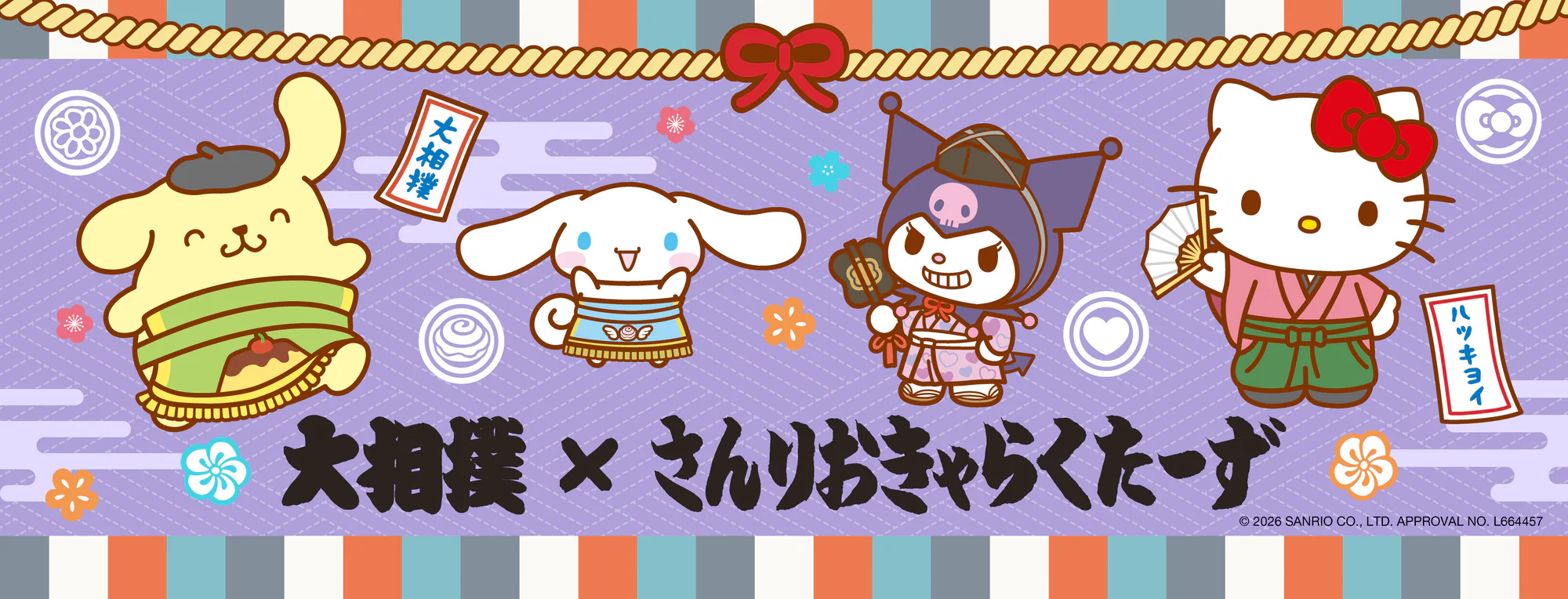
Navigating it feels like a puzzle if you don’t read kanji. You’ll see categories for everything from stationery (bungu) to fashion items. The inventory is massive compared to the physical shop—they have weird stuff like sumo-themed laundry nets or expensive traditional crafts that you won’t find on a folding table at the arena.
The catch? They do not ship internationally. I know, it breaks my heart too. If you try to enter a foreign address, the form just won’t take it. You can look, you can drool over the limited-edition plushies, but you can’t buy directly if you live in Ohio or Manchester. You need a workaround. I’ll get to that later, but for now, treat SuMALL as your digital catalog to see what exists.
Understanding Tegata: Collecting Autographed Handprints and Stamped Replicas
This is where new fans get confused—and sometimes ripped off.
A Tegata is a handprint. But not all tegata are created equal.
First, you have the Original (Nikuhitsu) Tegata. These are the holy relics. A wrestler (rikishi) slaps his actual ink-covered hand onto a shikishi board and signs it with a brush. You can see the smudges. You can see the individual ridge lines of their palm. These are rare. You generally can’t just “buy” them at the shop. They are given to high-ranking supporters or sold at charity auctions for hundreds (sometimes thousands) of dollars.

What you see in the shops for 500 yen? Those are Replicas. Printed copies.
Don’t turn your nose up at them, though. They are cool. The JSA sells these printed versions for almost every wrestler in the top division (Makuuchi).
Look for the stamps.
- Black Ink: Usually used for the handprint itself.
- Red Stamps: If you see a red stamp on the replica, that’s a big deal.
- Sekitori (Salaried wrestlers): Might just have their name.
- Ozeki & Yokozuna: They get special red stamps indicating their rank. A Yokozuna tegata will often have “Yokozuna” stamped in red characters.
If you see a “hand-signed” tegata on eBay for $20, it’s a fake or a printed replica. Real ones have texture. You can feel the dried ink.
The Banzuke: Official Ranking Sheets and Decorative Picture Maps
The Banzuke is the official ranking sheet released a couple of weeks before every tournament. It is a masterpiece of calligraphy.
The text is written in a style called sumo-ji—dense, thick brushstrokes meant to symbolize a full house (no white space left on the page). It’s illegible to even many native Japanese speakers. You buy these for 55 yen at the arena – yes, dirt cheap – and they are the most authentic souvenir you can own.

But then there is the E-Banzuke (Picture Banzuke).
These are the pretty ones. They feature full-color illustrations of the top division wrestlers wearing their ceremonial aprons (kesho-mawashi). They aren’t “official” documents for ranking, but they look fantastic framed on a wall.
- Buying Tip: The official Banzuke sells out. Fast. If you are at the stadium on Day 1, grab five. They crumple easily, so bring a hard document case or a poster tube. Seriously, don’t just shove it in your backpack.
Sumo Cheer Towels: The Must-Have Item for Tournament Spectators
You know those colorful rectangles people hold up when a wrestler enters the ring? Those are Cheer Towels.
Each wrestler has their own design. They usually feature the wrestler’s name in bold kanji and their specific colors. It’s like a soccer scarf, but for a 350-pound man.
Holding one is a signal. It tells the wrestler, “I am here for you.” When your guy wins, you wave it. When he loses, you clutch it sadly.
The designs change. A wrestler might change his colors, or get promoted and get a fancier towel. Collecting these is addictive. You start with one for your favorite, and suddenly you have a drawer full of them. They cost roughly 1,000 to 1,500 yen.
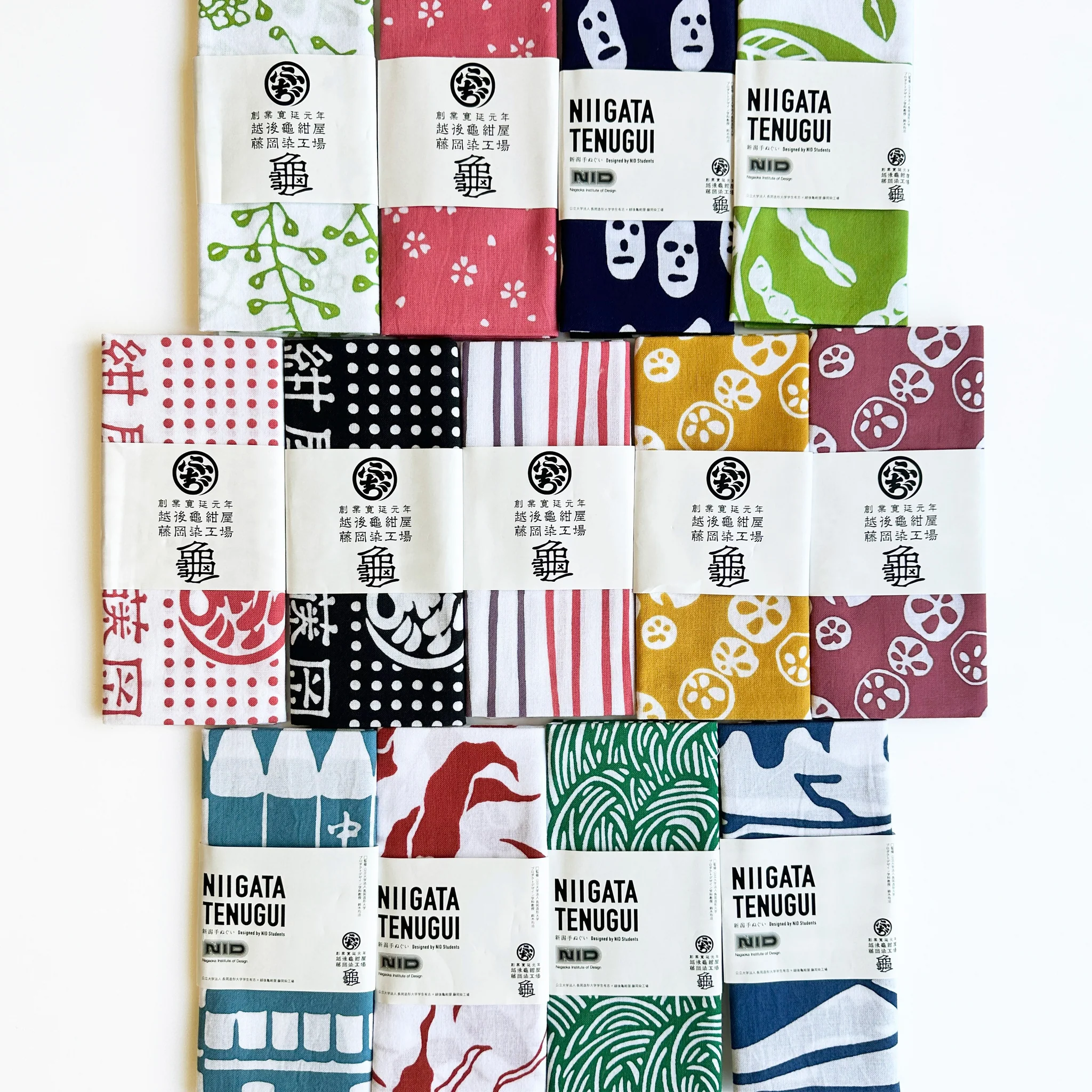
Towels vs. Tenugui
While the thick pile towels are for cheering, you will also see Tenugui. These are thin, traditional cotton cloths that are hand-dyed. They are more elegant and “old school.” Wrestlers actually use tenugui to wipe the sweat off their bodies or wrap their hair. A framed tenugui looks like a piece of art, whereas a cheer towel looks like sports merchandise. If you want something classy for your living room, go for the tenugui.
Hiyonoyama and Mascots: Plushies, Stationery, and Character Goods
Sumo isn’t just solemn rituals; it’s also incredibly cute. Enter Hiyonoyama.
He’s the big yellow chicken. The official mascot. His backstory is that he’s a bird who wants to be a sumo wrestler. I love him.
He has friends (and rivals) like Akawashi (the red eagle).

The merchandise for these characters is endless.
- Plushies: From keychain size to “huggable pillow” size.
- Stationery: Clear files, pens, notebooks.
- Food: Hiyonoyama-shaped cakes (ningyo-yaki) are sold at the snack counters.
It’s weirdly disarming to see a brutal sport represented by a chubby yellow bird, but that’s Japan. If you are buying gifts for kids, this is the section you want.
Venue Exclusives: Gachapon Capsules and Limited Edition Tournament Items
Tucked away in the corridors of the Kokugikan are rows of Gachapon machines.
Bring coins. Lots of 100-yen coins.
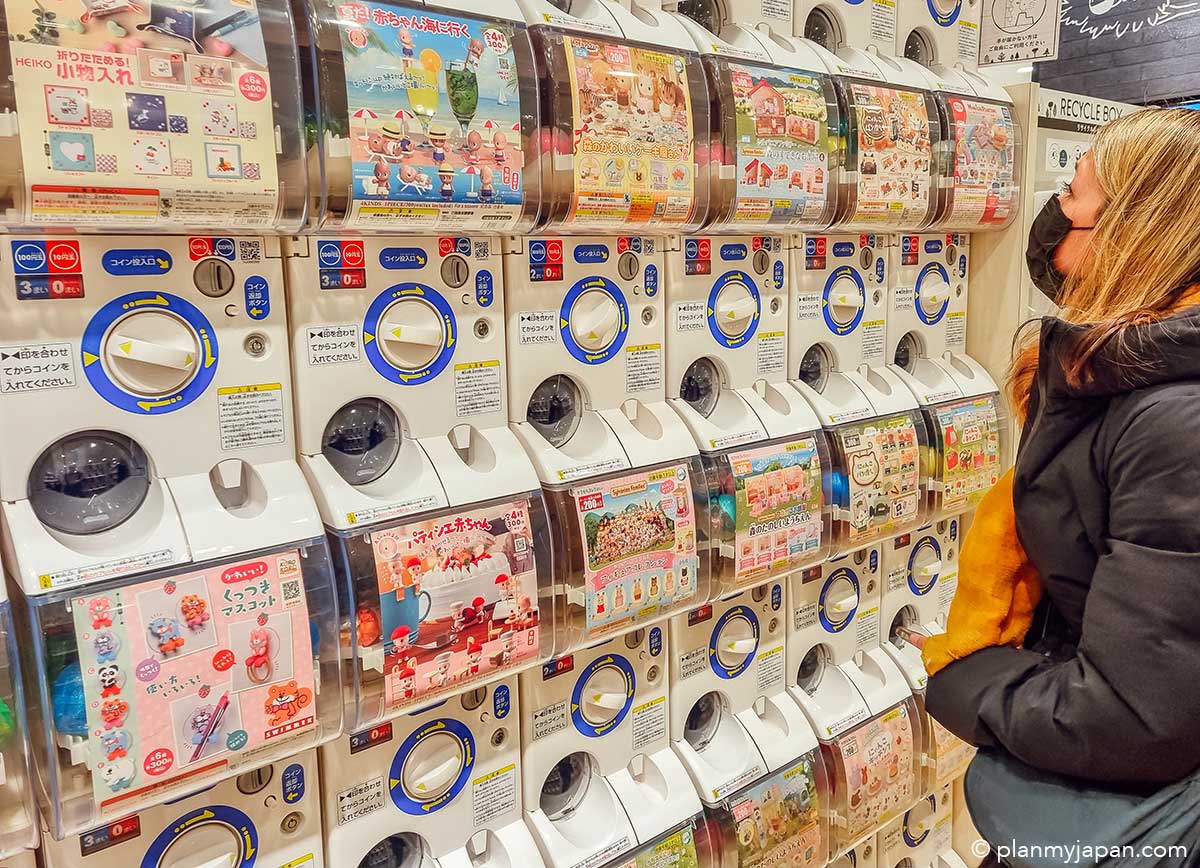
These capsule toys are venue exclusives. You can’t get them online.
- Pins: Metal badges of the wrestlers’ faces.
- Mini-Tegata: Tiny plastic easels with replica handprints.
- Acrylic Stands: Little figures of wrestlers you can stand on your desk.
The addiction lies in the randomness. You want Terunofuji, but you keep pulling Tobizaru. You’ll see fans standing near the machines trading capsules like it’s the stock market. “I have two Takakeishos, who has a Ura?”
Also, look for Basho-specific items. Each tournament (January, May, September in Tokyo) often has unique goods—maybe a cookie tin with the current date, or a plate commemorating a recent promotion. Once the tournament ends, these are gone.
The “Jungyo” (Regional Tour) Difference
If you are lucky enough to catch a sumo tour (Jungyo) when they travel to smaller cities between the main tournaments, the merchandise game changes. The tours are more intimate, and they sell exclusive Jungyo goods that you cannot get at the Kokugikan.
- The Cushions (Zabuton): At the main arena in Tokyo, you generally cannot take the seat cushions home (they belong to the stadium). However, at Jungyo events, the ticket often includes a souvenir cushion that you can keep. These are prized collectibles.
Functional Souvenirs: Calendars and Yunomi Cups
If you want something you will actually use every day, look for the Official Sumo Calendar. It is a massive seller at the end of the year. It features high-quality photos of the top wrestlers and—crucially—lists the dates for all the upcoming tournaments.
Another classic is the Yunomi Teacup. You’ve probably seen these at sushi restaurants—the tall, handle-less ceramic cups covered in kanji. The official sumo version lists the names of all the Makuuchi (top division) wrestlers or the 73 Yokozuna of history. It’s a great way to memorize kanji while drinking your morning green tea.
Retirement Ceremonies and Special Event Memorabilia
This is the deep end of collecting.
When a top wrestler retires, they hold a Danpatsu-shiki (hair-cutting ceremony) at the Kokugikan months later. This is a separate ticketed event.
The merchandise here is exclusive to that single day.
- The Scissors: sometimes they sell replica gold scissors.
- Commemorative Towels: feature the wrestler’s career stats.
- Photo Books: thick, glossy tributes to their career.
If you go to a retirement ceremony, bring cash and get in the merchandise line immediately. I mean it. Stuff sells out before the hair even gets cut. Items from famous ceremonies (like Hakuho’s) appear on resale sites later for triple the price.
How International Fans Can Purchase Official Sumo Merchandise
So, you aren’t in Tokyo. SuMALL hates your foreign credit card. What do you do?
You have to use a Proxy Service.
- BuySumoShip / BigSumoFan: These are specialized sellers (often run by fans) who physically go to the Kokugikan or order from SuMALL for you. They mark up the price, obviously, but they speak English and they know the difference between a replica and a real autograph. BigSumoFan is particularly well-known in the community; they stock things in the US, which saves on shipping time.
- General Proxies (ZenMarket, Buyee, FromJapan): You copy the URL of the item you want from SuMALL, paste it into their search bar, and they buy it for you. They ship it to their warehouse in Japan, then you pay them to ship it to you. It’s cheaper than specialist sellers but requires more work on your part.
Warning: Be careful on eBay.
There are a lot of “authentic” autographs that are just forged marker scribbles. If the price looks too good to be true for a Yokozuna handprint, it is. Stick to the official replicas or trusted proxy sellers unless you really know what you are looking at.
Buying sumo goods is a hunt. It’s part of the fun. Whether it’s a crumbled 55-yen ranking sheet or a plush yellow bird, it connects you to the clay ring in a way a YouTube video never can.