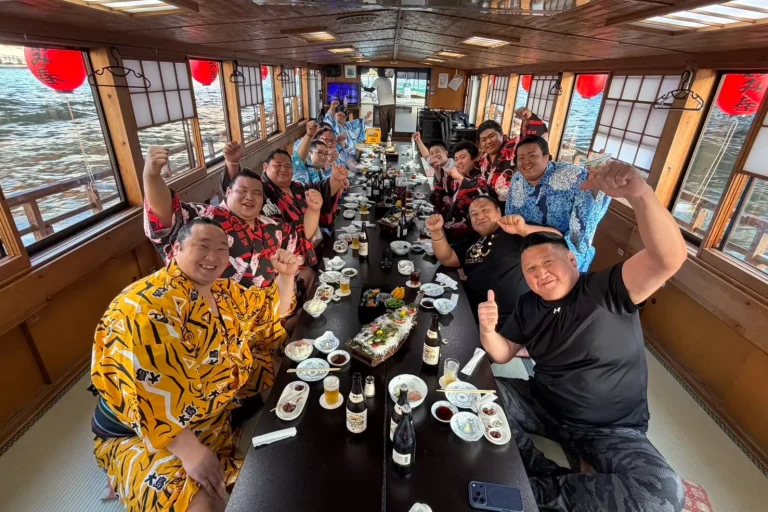
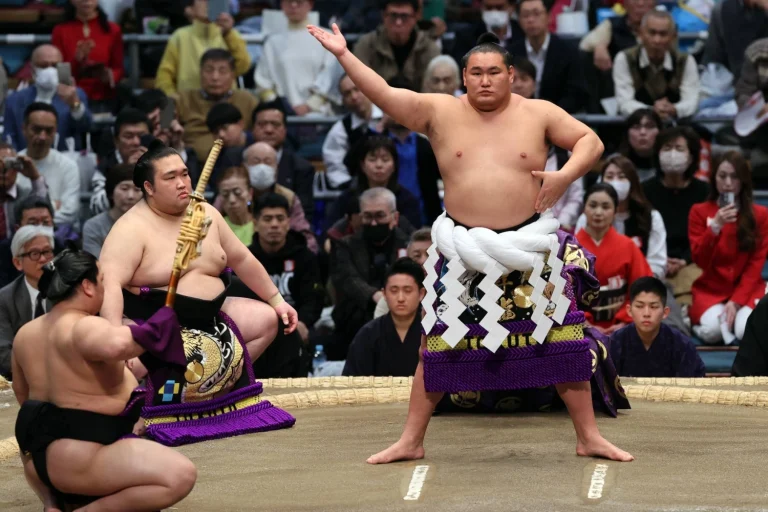
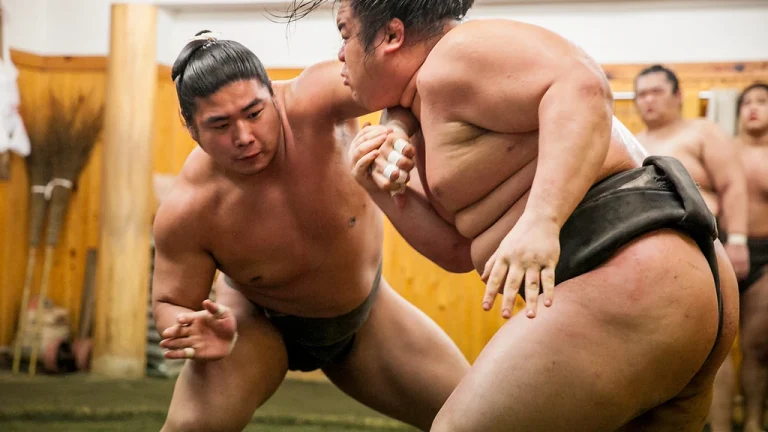
He wasn’t supposed to be here. Honestly, the odds were zero. Danylo Yavhusishyn, a kid from Vinnytsia, central Ukraine, should’ve been wrestling in local gyms or maybe studying at a university in Kyiv. But life has a way of throwing you off the dohyo before the match even starts. February 2022. The Russians invaded, and everything shattered.
Danylo was 17. A national sumo champion, sure, but that doesn’t stop tanks. He fled. First to Germany. Just a suitcase and a lot of uncertainty. His parents stayed behind. Can you imagine that? Leaving your folks in a war zone while you try to chase a dream that seems impossible from a refugee camp in Europe. He had one lifeline: a connection made years ago at the 2019 World Junior Sumo Championships in Osaka. A Japanese kid named Arata Yamanaka. That tenuous digital friendship – Instagram DMs, broken English – became his ticket out.
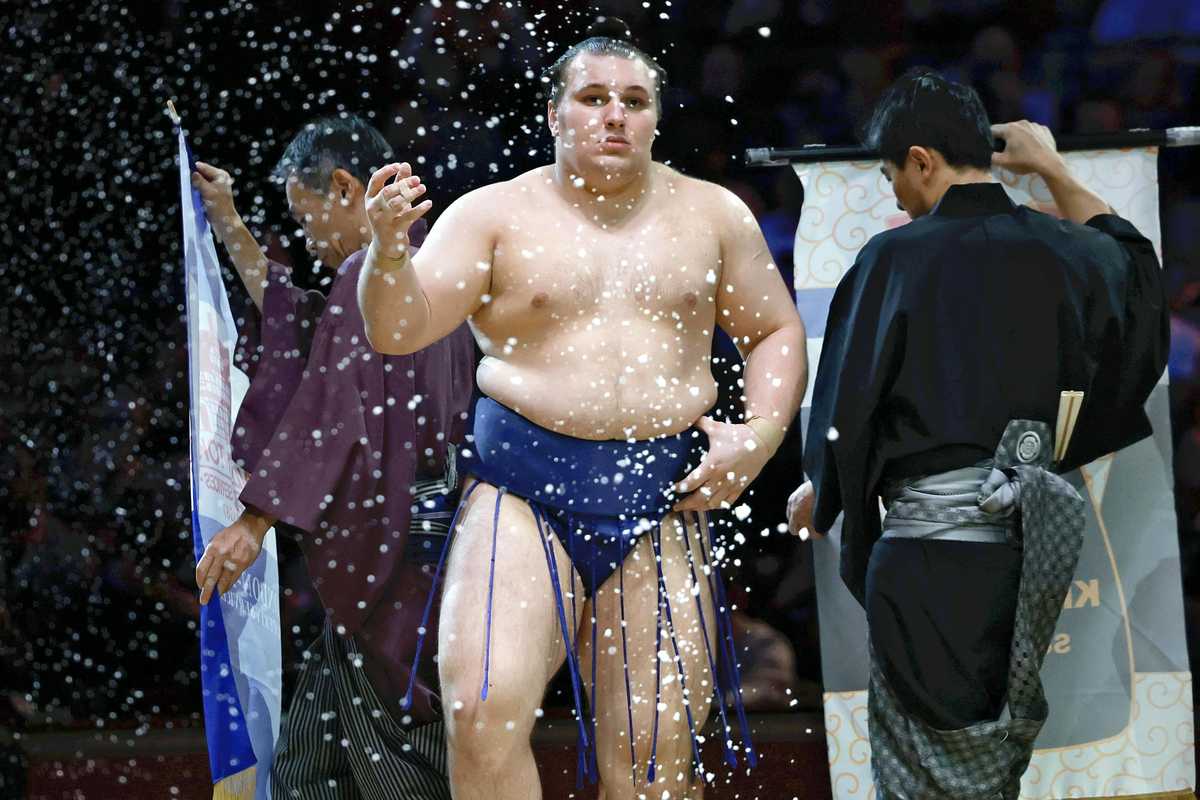
He arrived in Japan in April 2022. Scared? Probably. Determined? Absolutely. He didn’t speak the language. He had no money. Just this insane, burning drive to wrestle. He wasn’t just fighting for a career; he was fighting for survival. For identity. It’s gritty stuff. Not the polished PR story the Sumo Association likes to sell, but the raw, messy truth.
The Ukrainian Sumo Factory: Why It’s Not a Fluke
To understand Danylo, you have to understand where he comes from. To the uninitiated, a Ukrainian sumo champion sounds like the setup to a joke. It isn’t. Ukraine is actually a global powerhouse in amateur sumo. We’re talking about a country that regularly cleans up at the World Games, often challenging Japan for medal counts.
In Vinnytsia, sumo isn’t a Shinto ritual; it’s a combat sport. It’s stripped of the salt-throwing and the spirits; it’s just physics and aggression. Danylo grew up in a system that valued explosive power over tradition. He was a freestyle wrestler first—fast, low, and dangerous. When he transitioned to professional sumo in Japan (Ozumo), he had to unlearn the “sport” and relearn the “art,” but that raw, freestyle DNA? That never left him. It’s why his initial charge (the tachi-ai) hits different. It’s not just a shove; it’s a takedown attempt from the first second.
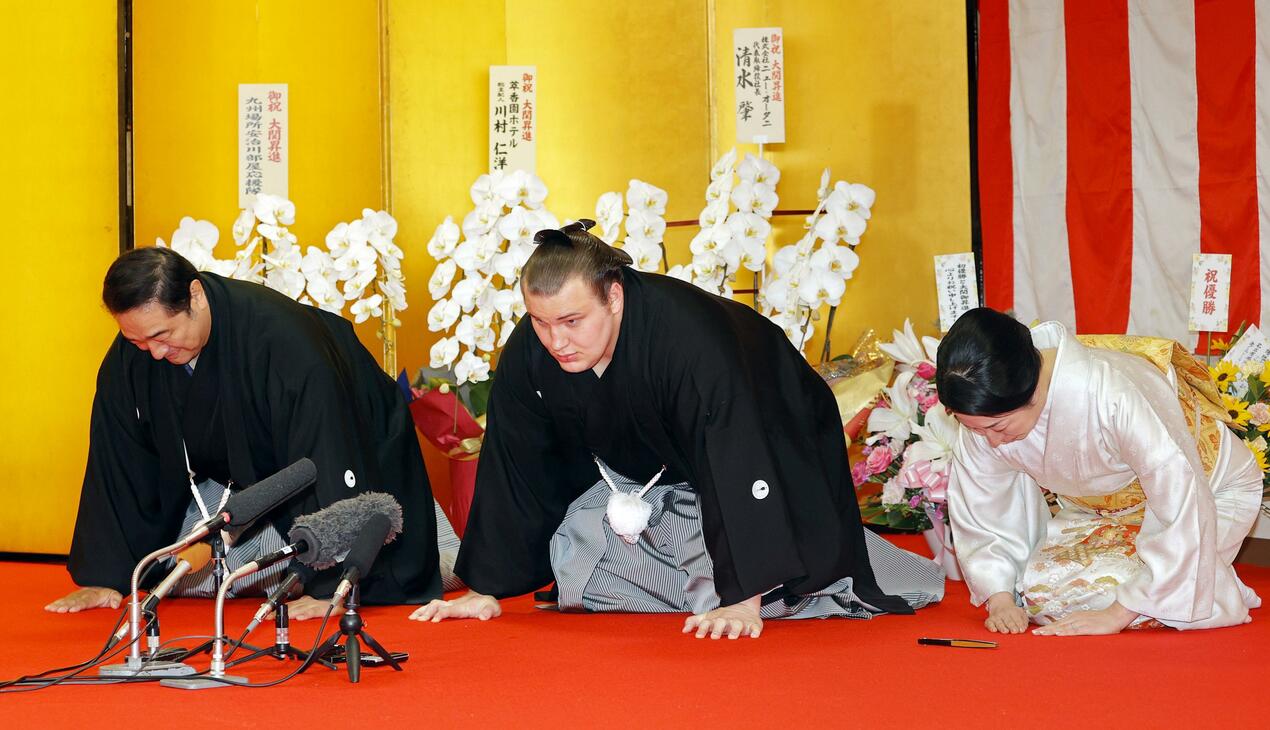
Ajigawa Stable’s Prodigy: How Aonishiki Arata is Redefining the Modern Rikishi
Ajigawa-beya isn’t the biggest stable. It’s run by the former Aminishiki – a technician, a guy known for his cunning on the clay. It was the perfect match. Aonishiki – that’s the name they gave him – didn’t just learn sumo; he absorbed it.
Most foreign recruits, they rely on brute force. They get big, they shove. Not Danylo. He’s “small” for a sumo wrestler. 140kg (310 lbs). Yeah, I know, that sounds huge to us, but next to a 180kg monster? He looks like a middleweight. He had to be smarter. Faster.

Life Behind the Shinto Screen: The Struggle to grow
The transformation wasn’t just technical; it was biological. For a kid naturally built like a lean wrestler, becoming a sumo mountain is torture. We hear stories about the chanko nabe – the famous calorie-bomb stew – but we don’t hear about the nausea.
For the first year, Danylo’s job was to eat until he couldn’t breathe, sleep to let the fat set, and then wake up and get smashed into the clay by seniors. He struggled to put on the weight. While his stablemates were naturally heavy, Aonishiki had to force every kilogram. He lived on a diet of rice, pork belly, and pure willpower. You can see it in his physique now; he doesn’t have the hanging belly of a veteran. He’s dense. Compressed muscle. A tank made of meat.
He’s not stuck in the past, either. He’s part of this new wave. You see him on the clay, and there’s a focus that feels… different. Modern. He isn’t just doing the drills; he’s analyzing. Dissecting. Maybe it’s the desperation of his background, or maybe he’s just a genius. Aminishiki saw it. He took a chance on a kid who couldn’t understand his instructions at first, and look what happened. They built a style that is pure geometric violence. Angles. Leverage. It’s beautiful to watch, if you like seeing giants get toppled by physics.
AI Planning your trip? Ask AI Tokyo Concierge
Get personalized help based on this guide, your travel dates, budget, and plans.
Breaking Records: A Historic Rise from Jonokuchi to Makuuchi in Under Two Years
Fourteen tournaments. That’s it. That’s the headline.
Most guys grind for years in the lower divisions. They get stuck in Makushita hell, getting their hair full of sand, earning pennies. Aonishiki? He blasted through. Jonokuchi debut in September 2023 – won it, 7-0. Jonidan? Crushed it. He hit the Makuuchi division (the top tier, the big leagues) by March 2025.
That speed is frightening. It’s tied for the fastest rise ever in the modern era. We are talking about eclipsing legends like Kotooshu. People started whispering “Ozeki” before he even had a topknot that looked right. It felt rushed, reckless maybe. But then he’d step into the ring, squat down, and blast someone into the third row.
He didn’t just climb the ladder; he sprinted up it while it was on fire.
David vs. Goliaths: Mastering the Art of Technical Sumo and Speed Over Size
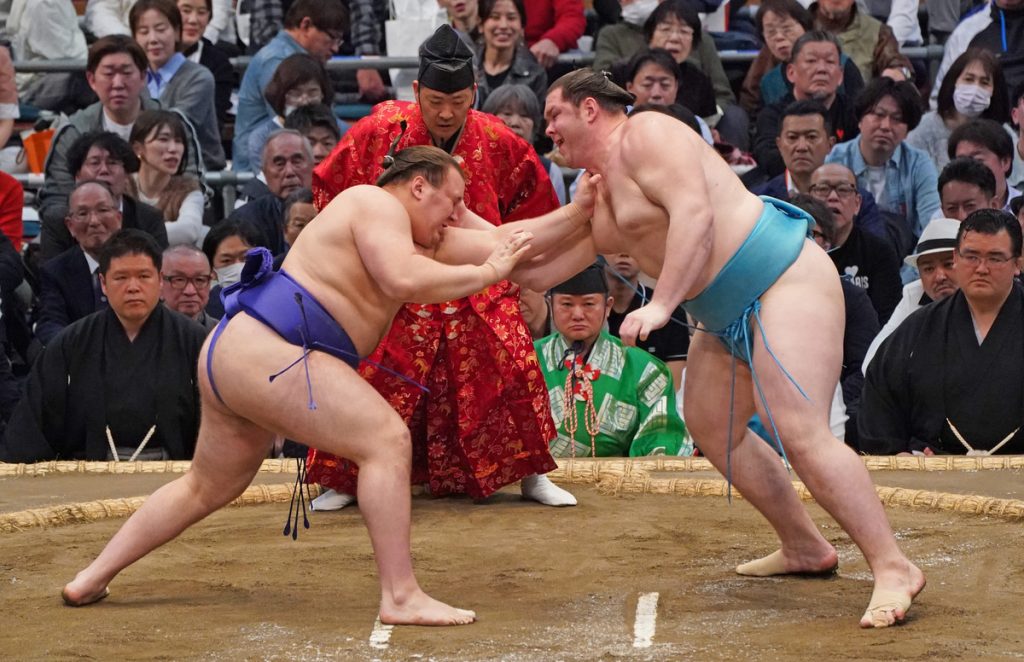
Here’s the thing about Aonishiki: he fights like he’s cheating gravity. He loves the migi-yotsu grip – left hand outside, right hand inside – but he doesn’t just stall there. He moves. Constantly.
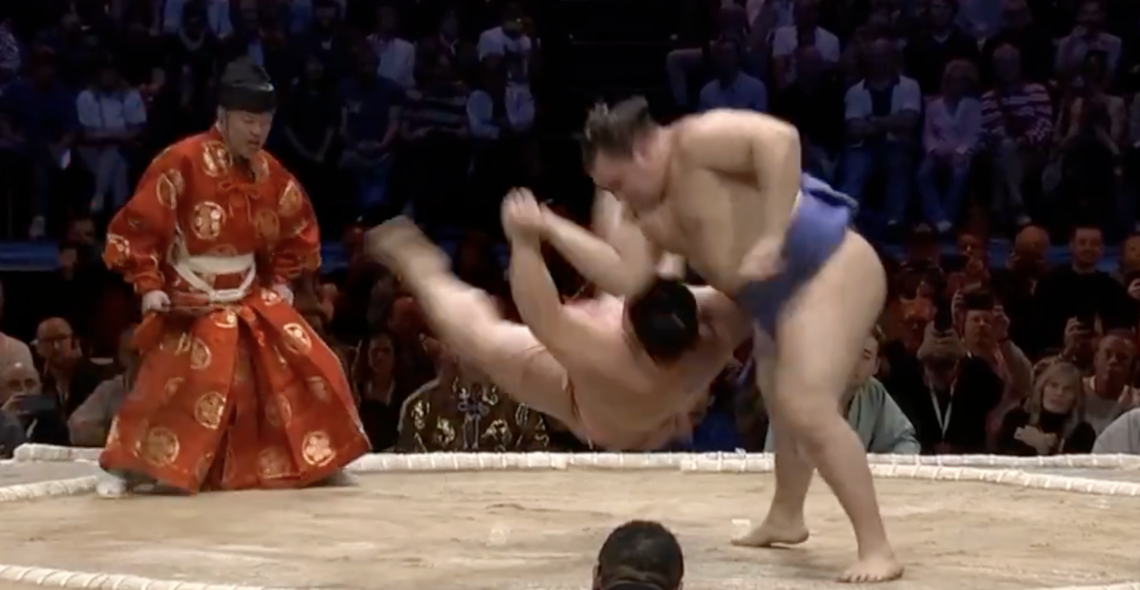
At the Kyushu Basho, he went up against Kotozakura. A big, heavy Ozeki. Aonishiki didn’t try to out-muscle him. That’s suicide. Instead, he pulled an uchimuso – an inner thigh throw. It’s a move you see in judo, or from smaller, trickier wrestlers. He spun the big man like a top. The crowd lost its mind.
He gives up 40, 50 kilograms to some opponents. It shouldn’t work. Physics says no. Aonishiki says yes. He uses their weight against them. A low center of gravity, insane core strength from his freestyle wrestling days, and footwork that looks more like a dancer than a bulldozer. It’s terrifyingly efficient. He’s the anti-tank missile of sumo.
The New “Three-Way Deadlock”
You can’t talk about Aonishiki without talking about the monsters he’s hunting. 2025 has given us a new “Golden Era” rivalry. On one side, you have Hoshoryu, the Mongolian royalty with the icy stare and the technical wizardry. On the other, you have Onosato, the young Japanese juggernaut who looks like he was built in a lab to push people out of rings.
And then there’s Aonishiki. The Disruptor.
Hoshoryu fights with ego; Onosato fights with power; Aonishiki fights with desperation. The dynamic is electric. Onosato usually overpowers Aonishiki, Hoshoryu out-thinks Onosato, but Aonishiki? He’s the one guy fast enough to get inside Hoshoryu’s guard. It’s rock-paper-scissors played with 400-pound men.
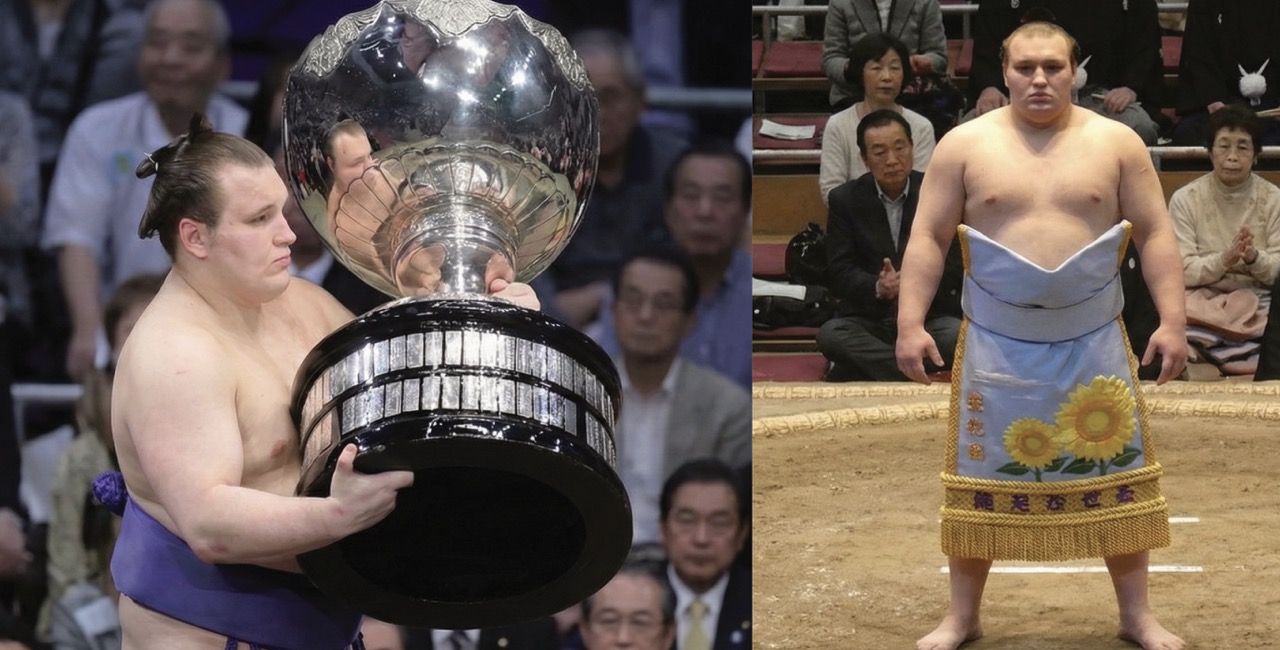
The Historic November 2025 Kyushu Basho: Aonishiki’s First Emperor’s Cup Victory
November 2025. Fukuoka. The air was thick, humid, heavy with expectation. Everyone knew something was brewing. Aonishiki was sitting at Sekiwake. He needed a good record to make Ozeki.
He did better than good. He went 12-3.
But the drama… man, you couldn’t write this. The tournament was chaos. Onosato, who had been leading, pulled out on Day 15 with a shoulder injury. That blew the race wide open. It came down to a playoff. Against who? The Yokozuna. Hoshoryu. The narrative was set. The young upstart vs. the King.
I was watching the feed, heart pounding. Hoshoryu came in fast, looking for a throw. Aonishiki didn’t panic. He absorbed the hit, shifted his hips – just a fraction – and slipped behind. Okuri-nage. Rear push-down throw. Hoshoryu hit the dirt.
Silence. Then, pandemonium.
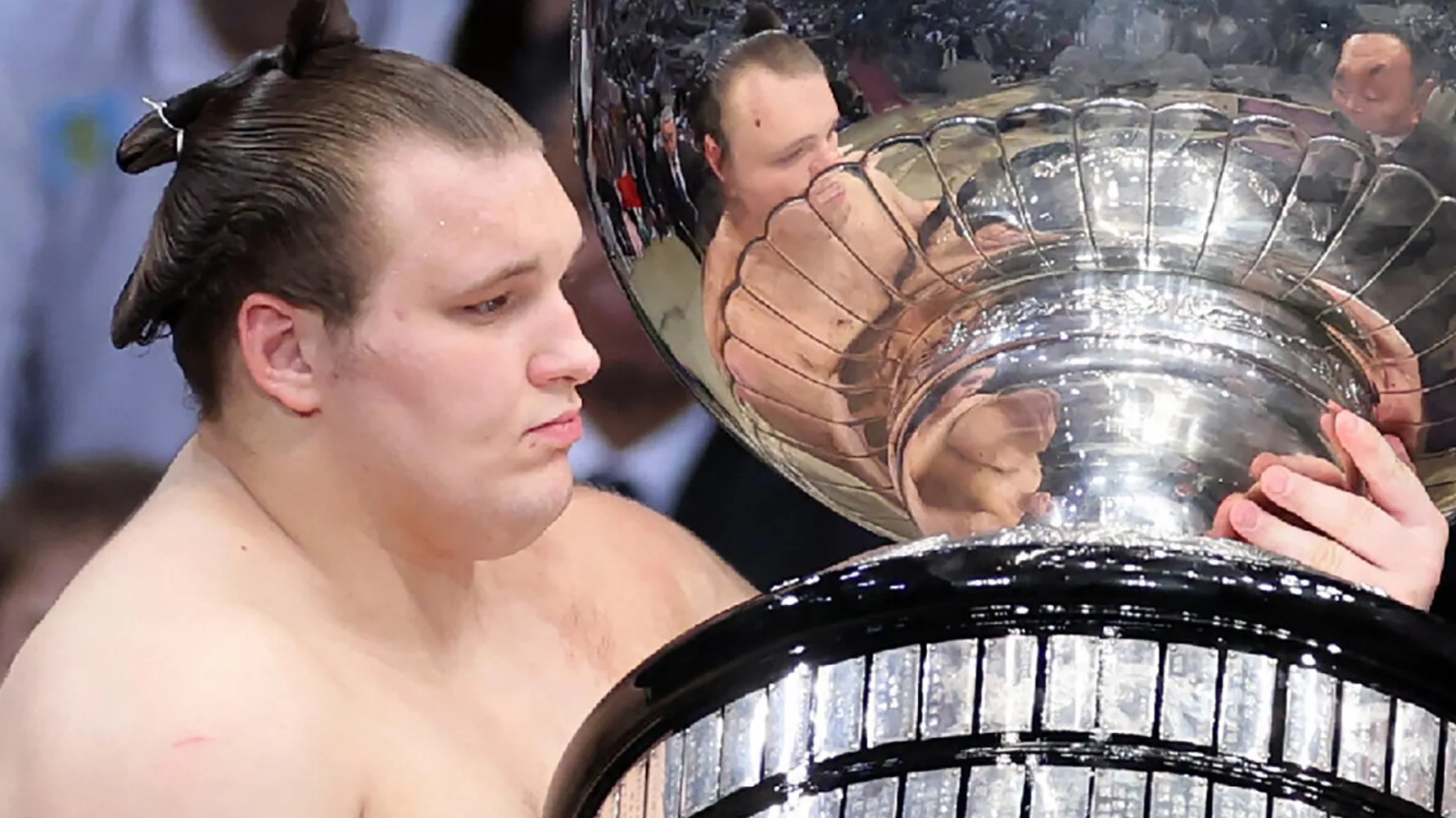
Aonishiki stood there, chest heaving, trying to keep his face stone cold like a good samurai, but you could see it. The relief. The joy. He lifted the Emperor’s Cup, the first Ukrainian to ever do it. It wasn’t just a win. It was a statement. I am here.
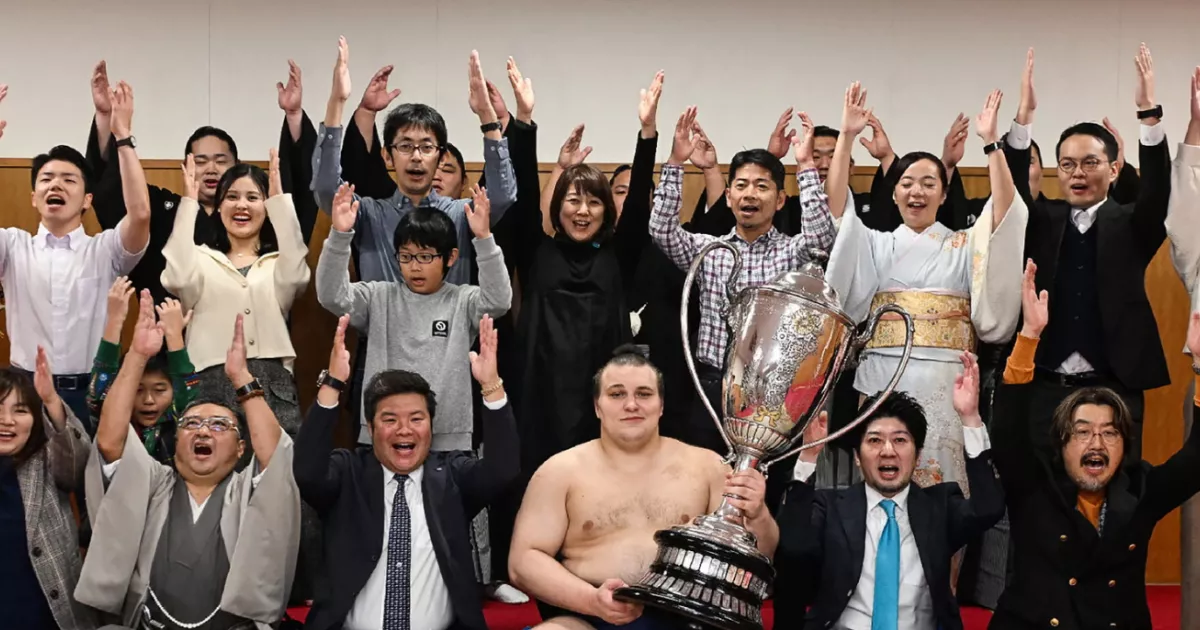
Beyond the Ring: How A Friend Named Arata Yamanaka Saved a Career
Let’s talk about the name. Aonishiki Arata.
“Ao” means blue (for Ukraine). “Nishiki” comes from his master. But “Arata”? That’s the heart of it.
Arata Yamanaka isn’t a famous pro wrestler. He’s a coach now, at Kansai University. But back in 2019, at the World Junior Championships in Osaka, he was just a Japanese kid who was nice to a Ukrainian kid. When the war started, when Danylo had nowhere to go, Arata said, “Come to Japan.”
He took him in. His family fed him, housed him, treated him like a son. Danylo took the name “Arata” as his shikona – his fighting name – to honor the friend who saved his life. Every time the announcer screams “Aonishiki Arata!” over the PA system in Ryogoku Kokugikan, he’s shouting out that friendship. It’s a bond stronger than any belt grip. Without Arata Yamanaka, there is no Emperor’s Cup. Period.
Brothers in Exile
He’s not the only one, either. Mention must be made of Shishi (Serhii Sokolovskyi), the first Ukrainian to break into the top division. Shishi is the big brother figure – literally and figuratively. He paved the road, taking the hits and the cultural confusion first. While Shishi is a mountain of a man known for brute force, Aonishiki is the scalpel. Together, they’ve turned the dohyo into a place where the Ukrainian flag – metaphorically – flies high. They aren’t just athletes; for the refugees watching back in Europe, they are proof of life.
The Road to Yokozuna: What the Future Holds for Sumo’s Newest Ozeki
It’s official now. The Sumo Association cut the red tape fast. Aonishiki is an Ozeki. The second-highest rank.
He’s 21. Twenty-one! Most guys are still finishing college. He’s sitting on the verge of godhood in the sport. The question isn’t “if” he makes Yokozuna. It’s “when.”
But let’s not jinx it. The rope – the tsuna – is heavy. Injuries happen. Knees blow out. The pressure crushes people. Aonishiki has the skill, sure. He has the heart. But now he’s the target. Every wrestler in the division, especially a vengeful Onosato and a humiliated Hoshoryu, is going to be studying tapes of him, looking for a weakness, a tell.
He says he wants to keep fighting for Ukraine, to show his people some light in the dark. That’s a heavy burden to carry in a loincloth. But looking at him – calm, lethal, grateful – I think he might just be strong enough to carry it all the way to the top.
Watch this space. The Blue Brocade is just getting started.