You didn’t fly twelve hours to sip green tea in a library. You want the crash. The sweat. Two human mountains colliding while you shovel broth into your mouth. That’s the specific itch a sumo dinner show scratches – it’s loud, smelly in the best way, and honestly? Way more fun than the church-like silence of a stable practice.
The scene is shifting. 2025 brought “entertainment dining” to the forefront, and by 2026, we’re staring down the barrel of luxury venues fighting dirty with the gritty, old-school joints. It’s not just wrestling anymore – it’s the lights. The grub.
Here are the heavy hitters you need to hit right now.
Understanding the Sumo Calendar: Tournaments vs. Shows
Before you throw down a credit card, get this straight. Tourists mix up “Basho” and shows constantly. It drives me nuts.
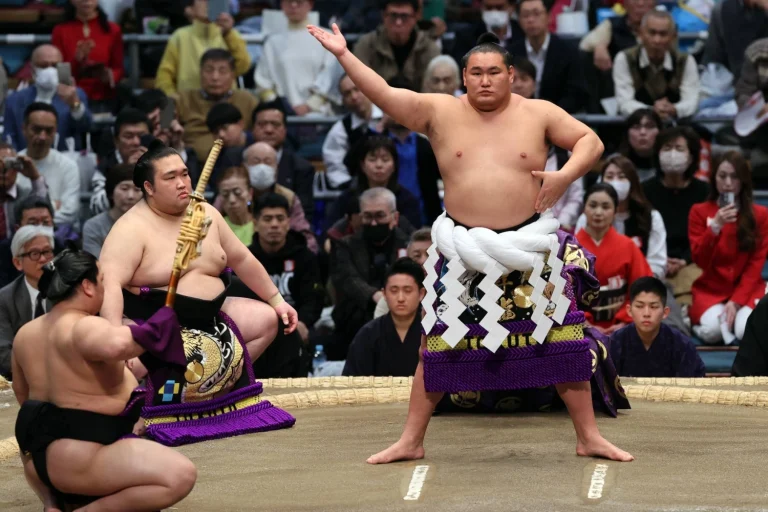
Grand Sumo Tournaments (Honbasho) are rare beasts—happening only six times a year, 15 days a pop.
- Tokyo: January, May, September (at Ryogoku Kokugikan).
- Osaka: March.
- Nagoya: July.
- Fukuoka: November.
If you are in Tokyo during these months, sure, try to snag a ticket. Good luck. They vanish instantly, and matches run 8:00 AM to 6:00 PM. Exhausting.
Sumo Dinner Shows? They run year-round. They exist for travelers who missed the boat or want to get involved without getting arrested for jumping into the ring. You can’t enter the dohyo at a Grand Tournament. At a dinner show? You absolutely can.
Yokozuna Tonkatsu Dosukoi Tanaka: The Best Interactive Lunch and Dinner Experience
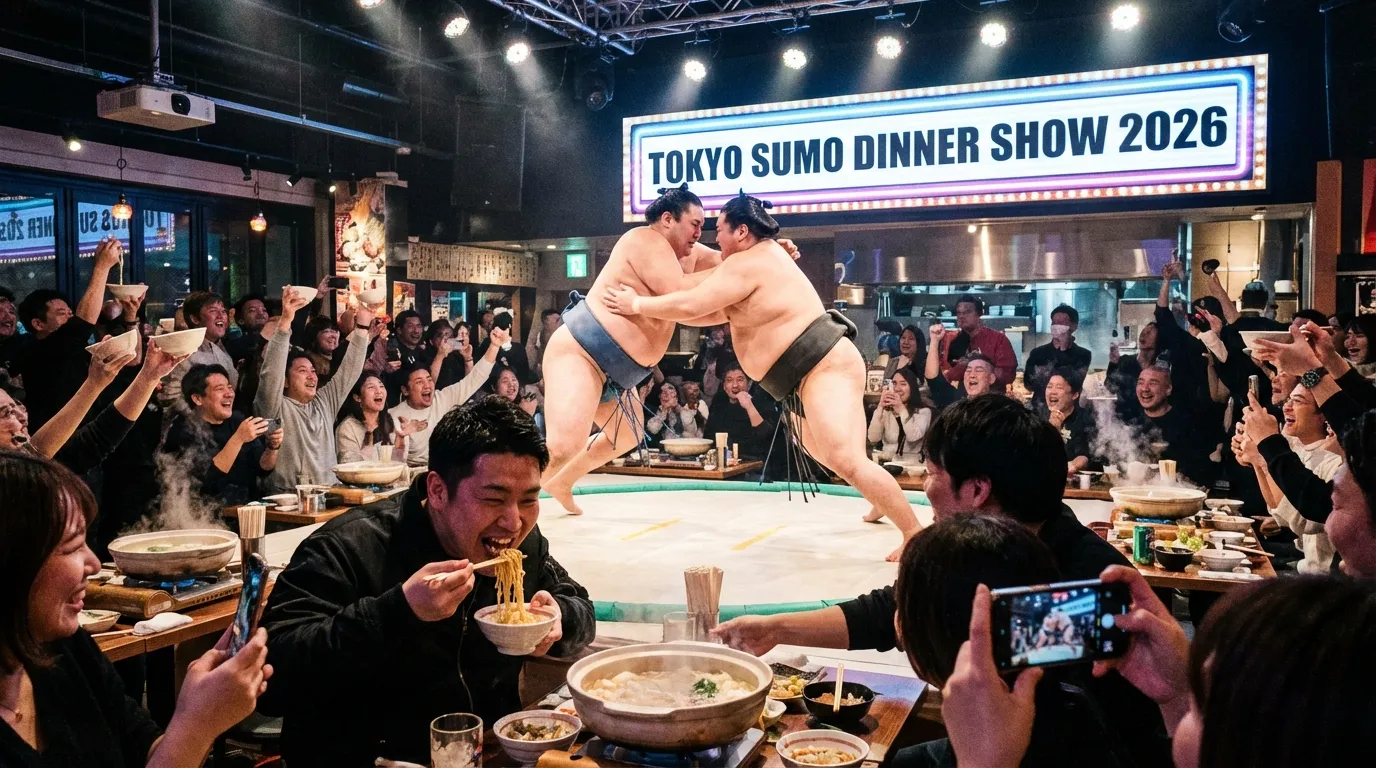
This place is the heavyweight champ. Honestly, if you’ve got time for one, just go here. Sitting near Ryogoku – sumo’s spiritual heart – Dosukoi Tanaka feels less like a polished trap and more like a rowdy dive that just happens to love foreigners.
The energy snaps. You walk in, bam, there’s a dohyo right in your face.
Most spots force-feed you Chanko Nabe (more on that later), but Tanaka weirds it up: Tonkatsu. Deep-fried pork cutlets. Grease. Comfort. They have the pot too, but the katsu is the star. “Katsu” sounds like “win.” Superstition? Maybe. Tasty? Hell yes.
AI Planning your trip? Ask AI Tokyo Concierge
Get personalized help based on this guide, your travel dates, budget, and plans.
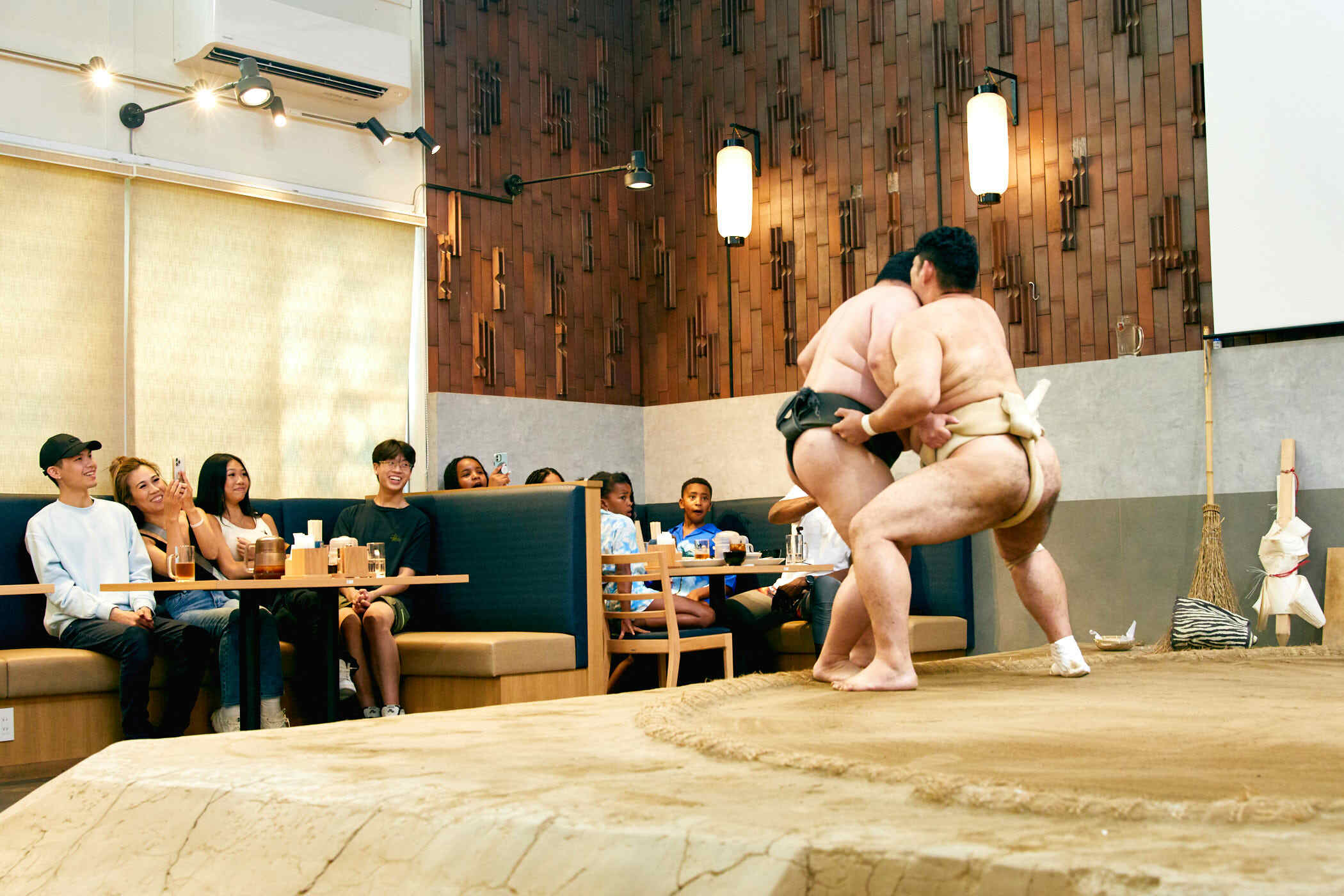
Interaction is elite. Retired wrestlers run the floor. Not actors in fatsuits. Real pros. They drag you into the ring. You wear a padded suit. You push. You fail. Everyone laughs.
Asakusa Sumo Club: A VIP Entertainment Show with Geisha and Chanko Nabe
If Tanaka is the pub, Asakusa Sumo Club is Broadway. Or close to it. Stuck in tourist-central Asakusa, it’s stupid convenient if you’ve been trudging through Senso-ji.
They don’t stop at wrestling. They toss in a Geisha performance.

Is it 100% authentic heritage? No. It’s a gig. But the contrast – delicate slow dancing smashed against seismic man-flesh – is wild. It works.
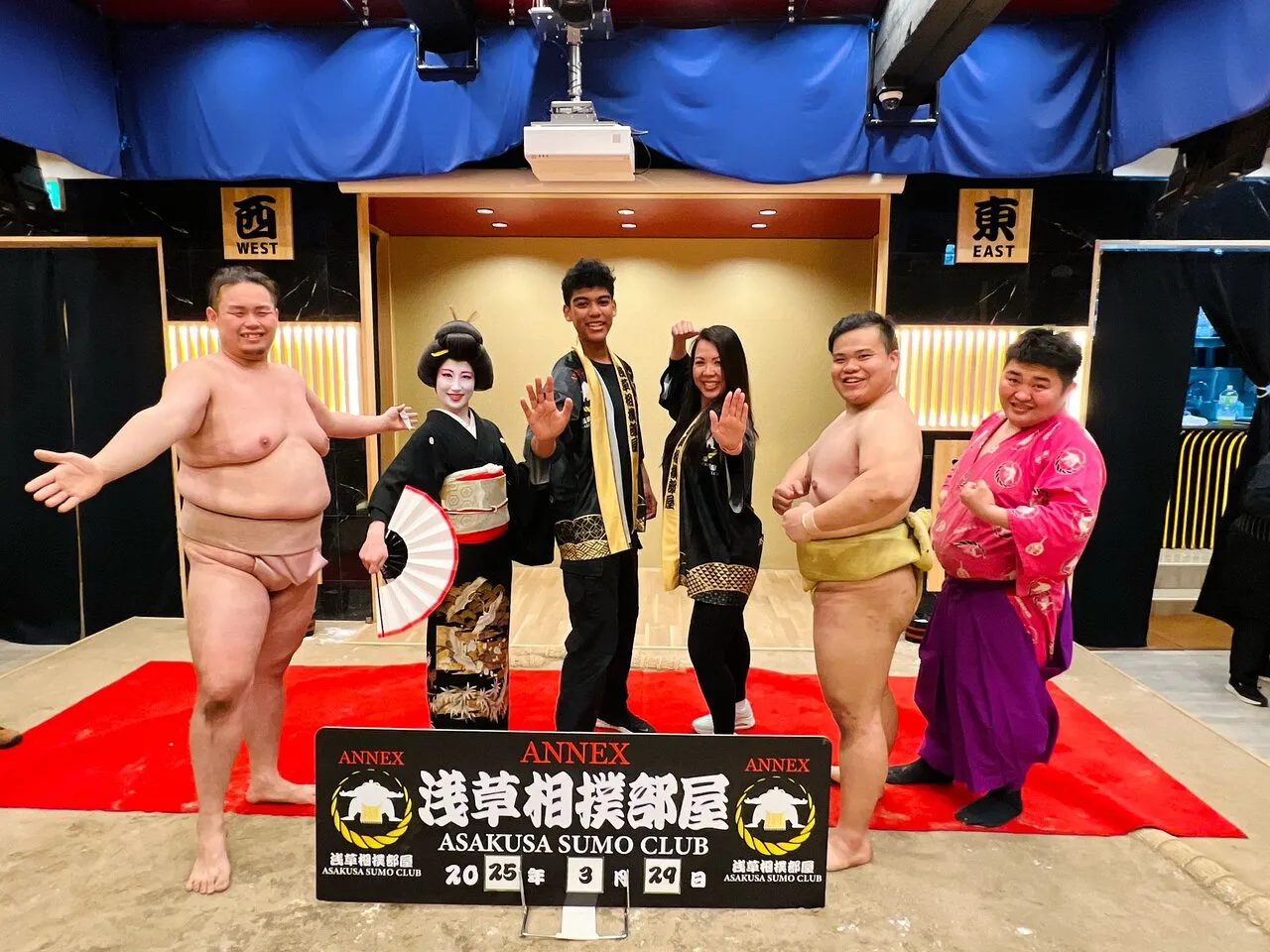
Food is usually all-you-can-eat Chanko Nabe. Broth simmering, chicken balls, veggies. Communal stuff. Great for families needing to distract kids because the stage is always moving. You could order visit to Asakusa Sumo Club below:
THE SUMO HALL HIRAKUZA GINZA: Tokyo’s Newest Luxury Sumo Dining Experience
The new kid.
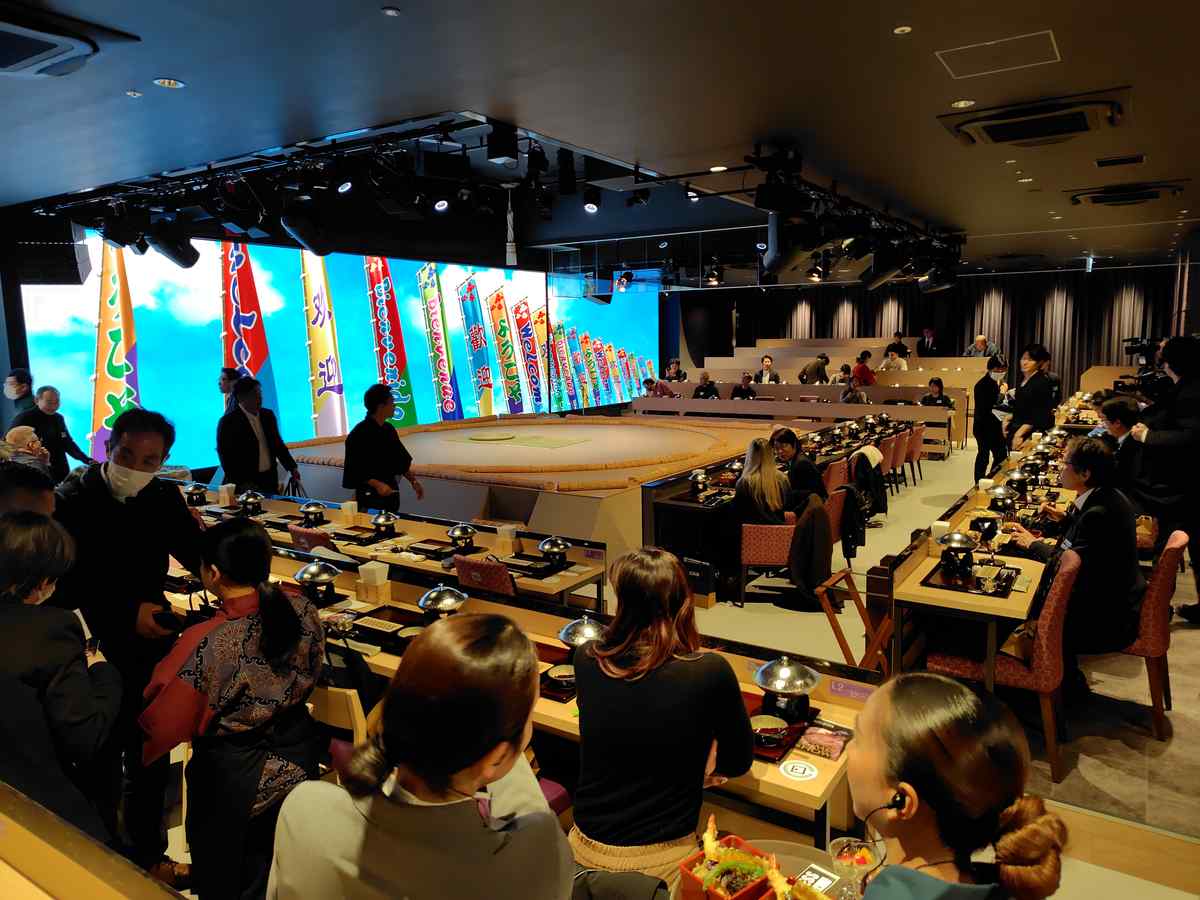
Scheduled to crack open fully in early 2026 – soft launches late 2025 – Hirakuza Ginza is hunting whales. High-end crowd. If you know their Osaka spot, you know the vibe: Production value. Lasers. Bass dropping. Sumo meets Vegas.
They aren’t mimicking a dusty stable. They’re building a spectacle.
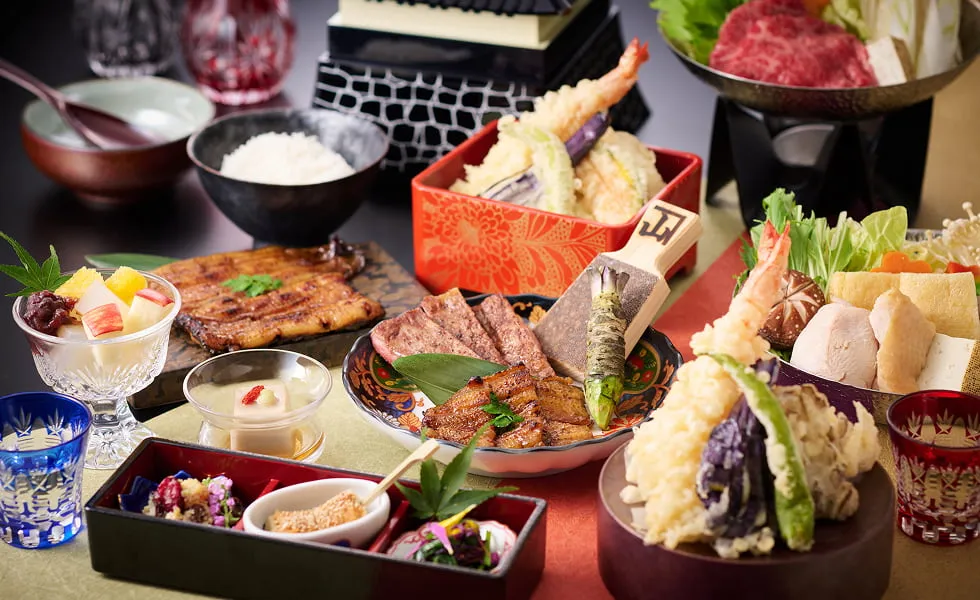
Expect premium Bentos or Kaiseki, not a sloppy pot. Theater seating. No craning your neck. Sleek. Pricey. It’s for the traveler who wants culture but refuses to cramp their legs on tatami. Watch this one—it’s gonna be an Instagram warzone.
Tokyo Sumo Room: Intimate Performances by Former Wrestlers
Kiyosumi-Shirakawa isn’t exactly tourist central, but trek out for the Tokyo Sumo Room. Run by former Makuuchi wrestler Tokitsumi, this joint ditches the strobes for grit.
It feels intimate. Tiny.

Because it’s tight, the sound of collision – that wet slap of skin – is visceral. You feel it in your teeth. Tokitsumi’s crew focuses on the “show” but keeps it educational. Explaining shiko (leg stomping) and salt without sounding like a textbook.
The food is solid home-style Chanko. Like eating in a giant’s kitchen.
The “Rikishi” Reality: Who Are the Wrestlers You’re Watching?
People always whisper, “Are these guys fake?”
No. They’re retired pros. Rikishi.
Sumo retirement hits fast – mid-30s, or late 20s if knees blow out. Options are slim. Some become elders (Oyakata), but that costs a fortune.

The rest? They need jobs. They spent decades mastering hospitality and eating; restaurants are the logical landing pad. You’re supporting athletes who left the ring but kept the power. Not actors. Elite machines in act two.
Decoding the Rituals: What the Stomping and Salt Actually Mean
The MC will yap about this, but here’s the cheat sheet so you look smart.
1. The Salt Throw (Kiyome-no-shio):
They toss salt. Not for grip. It’s Shinto purification. Salt burns away evil spirits and cleans the dohyo before the violence. Real tournaments burn 45kg (100 lbs) a day.
2. The Leg Stomp (Shiko):
The classic move—leg high, slam down. Opens the hips, sure. Spiritually? They’re waking up earth spirits and crushing demons underground. Metal.
3. The Hair Knot (Oicho / Chonmage):
Check the hair. The ginkgo-leaf (Oicho) is elite status. It’s a bumper for their skull during falls. Seeing a wrestler with the knot at a dinner show? He’s keeping the tradition alive just for you.
Authentic Sumo Stables vs. Dinner Shows: Understanding the Difference
I cannot scream this loud enough: Different worlds.
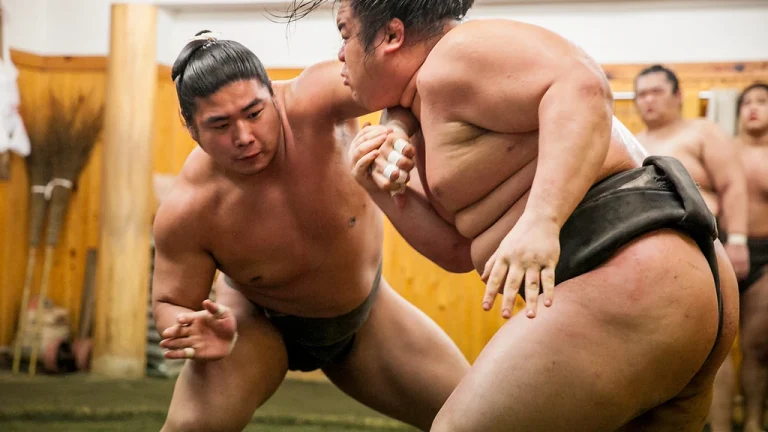
A Sumo Stable (Heya) Tour is intense.
- Time: 7:00 AM. Painful.
- Rules: Shut up. No whispering. No eating. Legs tucked.
- Vibe: Sweat. Grunts. Sawdust smell. The stablemaster might scream. It’s training, not a circus. They will ignore you.
- Best for: Purists, photographers, masochists.
A Sumo Dinner Show is a riot.
- Time: Lunch or Dinner.
- Rules: Drink beer. Cheer. Selfies.
- Vibe: Fun. Lighthearted.
- Best for: Families, groups, people who want to breathe.
Don’t book a morning tour thinking you’ll wrestle. You’ll get booted.
What is Chanko Nabe? (And Can Vegetarians Eat It?)
It’s stew. Massive, protein-bomb stew.
Originally strictly chicken. Why? Chickens stand on two legs. Cows use four. In sumo, touching the ground with a hand—four legs—means you lose. Superstition runs deep.

Modern Chanko Nabe is a free-for-all. Pork belly, beef, fish balls, tofu, cabbage—swimming in dashi. It’s caloric. Wrestlers don’t get huge on chips; they get huge eating gallons of healthy stew then sleeping.
Dietary Restrictions: Can Vegetarians Survive?
Five years ago? Starvation. Today? Yes.
Tourism forced the hand. Dosukoi Tanaka and Asakusa Sumo Club offer veggie/Vegan/Halal options now.
- Important: You must request this online. They cook it separate. Ask on the spot? You’re screwed.
Beyond the Ring: A Mini-Itinerary for a Sumo Day in Ryogoku
If you hit a show in Ryogoku, don’t just eat and run. The neighborhood bleeds sumo.
- Ryogoku Kokugikan (The Stadium): Walk the perimeter. It’s a fortress.
- The Sumo Museum: Inside the stadium (free if no tournament). Small, but has prints and aprons (kesho-mawashi) from legends.
- Ekoin Temple: Short walk. Spiritual home before the stadium existed. Find the “Power Stone.”
- Sumida Hokusai Museum: Architecture trip. Dedicated to the “Great Wave” guy. Nice palate cleanser before the violence.
- Note: Edo-Tokyo Museum is still closed for renovations until March 2026. Don’t bother.
Cost Breakdown: Prices for Sumo Dinner Shows vs. Stable Tours
Tokyo ain’t cheap. Here’s the damage for 2025/2026:
- Morning Stable Practice:
- Self-guided: Free (rare as hen’s teeth).
- Guided Tour: 8,000 – 12,000 JPY ($55 – $80). You pay for the access.
- Sumo Dinner Shows:
- Standard Ticket: 11,000 – 16,000 JPY ($75 – $110). Show and feed.
- VIP: 18,000 – 25,000 JPY ($120 – $170). Better view, souvenirs.
- Hirakuza Ginza: Starts around 16,000 JPY and skyrockets.
Souvenirs of Strength: What to Buy to Remember the Experience
Skip the plastic crap. Look for the real stuff:
- Tegata (Handprint): The ultimate flex. Square cardboard (shikishi) with a red/black handprint. Signed. Symbols of power.
- Banzuke: Official ranking sheet. Tiny, dense calligraphy (sumo-ji). Even if you can’t read it, it looks killer framed.
How to Book Sumo Experiences in Tokyo and When to Reserve
Do not walk up. Just don’t. Places sold out in 2025; 2026 is worse.
Where to book:
- GetYourGuide / Viator / Rakuten Travel: Easiest. Instant.
- Official Websites: Clunky but direct.
- Concierge: Use them if you’re fancy.
When to reserve:
- Dinner Shows: 3-4 weeks out. Weekends? 6 weeks.
- Stable Tours: 1-2 months. Spots are microscopic.
What to Expect During a Sumo Dinner Show: Rules, Etiquette, and Interaction
Unlike morning practice, the rule is “have fun.”
- Shoes Off: Socks matter here. Seriously.
- The “Challenge”: The MC asks for volunteers. Raise your hand. Do it. Put on the suit. You don’t need skill. Just push.
- Photos: Flash is usually fine. Video it.
- Tipping: Keep your cash. Not expected.
The wrestlers are pros. They glare, but it’s an act.
Are Sumo Dinner Shows Worth It? Traveler Reviews and Verdict
People call these “touristy.”
Yeah, obviously. You’re watching retired giants wrestle while eating stew. It’s not underground punk. But is it bad?
The Verdict:
If you want spiritual silence, go to a stable. Suffer the quiet. It’s cool.
But if you want beer, a mountain of pork, and floor-shaking throws? Dinner show. It’s messy, loud, and human. Isn’t that why we fly?