Yes, You Can Book Guided Sumo Experiences That Include the Museum
You can book them – absolutely – but look, I need to be real with you here. It’s not straightforward. Not like clicking a button for the Louvre. Most people hear “tour” and picture a guy with a little flag dragging you through exhibits. In Ryogoku-Tokyo’s “Sumo Town” – it works differently.
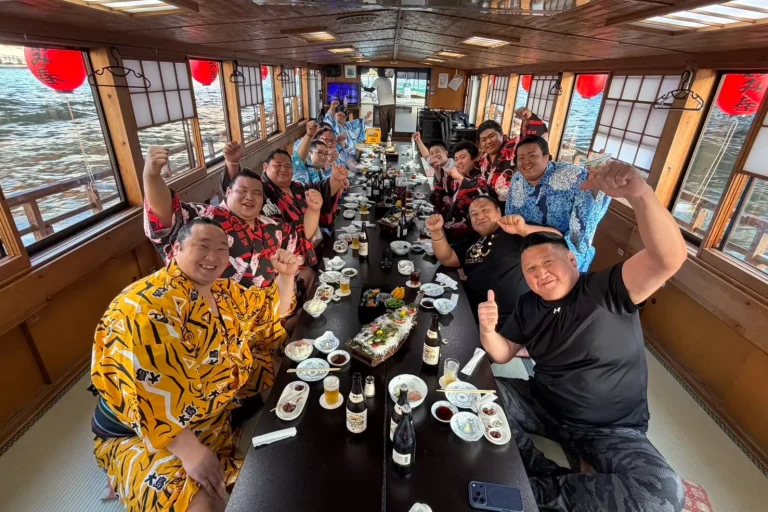
You’re buying a broader “Sumo Culture” vibe usually. These walking tours are fantastic. They drag you around the neighborhood, point at where the big wrestlers live, maybe stuff you with a massive lunch, and then drop you at the Sumo Museum. Which is small. Tiny, honestly. It is essentially one large exhibition room inside the stadium. When a listing says “Includes Sumo Museum,” it usually means the guide takes you there, dumps some context on you (which you desperately need; the English signs are a joke), and lets you stare at the silk aprons.
It’s worth it though. Going alone is fine. But having a human explain why a specific kesho-mawashi (apron) costs the same as a luxury car? Changes the vibe entirely.

Understanding the Sumo Museum: Location and Admission Basics
It is hidden. Plain sight. Literally. The Sumo Museum is on the first floor of the Ryogoku Kokugika – that green-roofed fortress thing. Don’t go trekking to some obscure suburb; it is glued to the JR Ryogoku Station.
Here is the kicker regarding admission: it is usually free.
Yeah, zero yen.
But there’s a catch. Always is. The museum operates on a schedule that feels . . . delightfully old-school. Open 10:00 to 16:30. Last entry at 16:00. Show up on a random Tuesday in October? Walk right in. The context flips completely if a tournament is happening though. The museum isn’t a standalone building – it’s part of the arena guts. Accessibility is tied to the stadium heartbeat.
The “Six-Season” Exhibit Strategy
Guides often forget to tell you this: the museum doesn’t have a permanent collection. Instead, it rotates exhibits six times a year, roughly syncing with the six Grand Sumo Tournaments.
Since there is only one main room, they can’t show everything. One month it’s “The Art of the Referee (Gyoji)” – intricate silk and daggers. Next month? Historical Woodblock Prints. Keeps it fresh, sure, but means you get a surprise. If you are hoping to see a specific item – like a Yokozuna’s rope – it might be in a box somewhere. Tough luck.
How to Visit the Museum During Grand Sumo Tournaments (Jan, May, Sept)
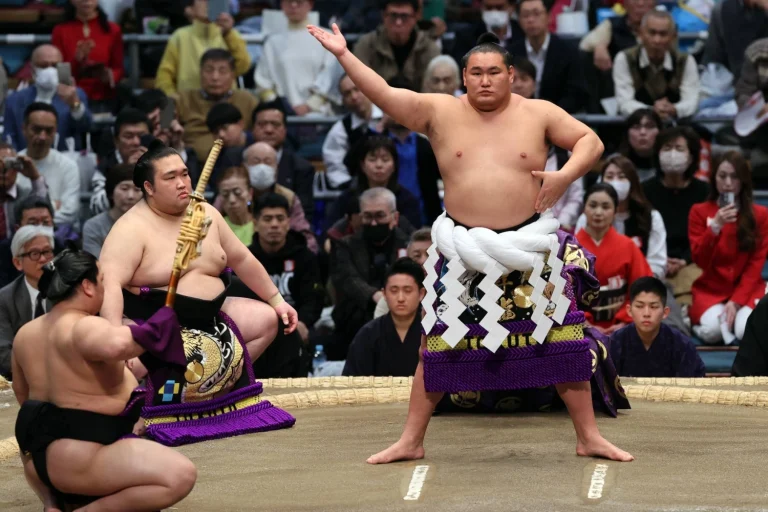
Things get messy here. Tokyo hosts three Grand Sumo Tournaments (Basho) a year: January, May, September. Ryogoku goes electric. Air smells like sweet bintsuke wax and grilled chicken.
The Rule: Tournament happening? You cannot just waltz in for free. You must have a ticket.
AI Planning your trip? Ask AI Tokyo Concierge
Get personalized help based on this guide, your travel dates, budget, and plans.
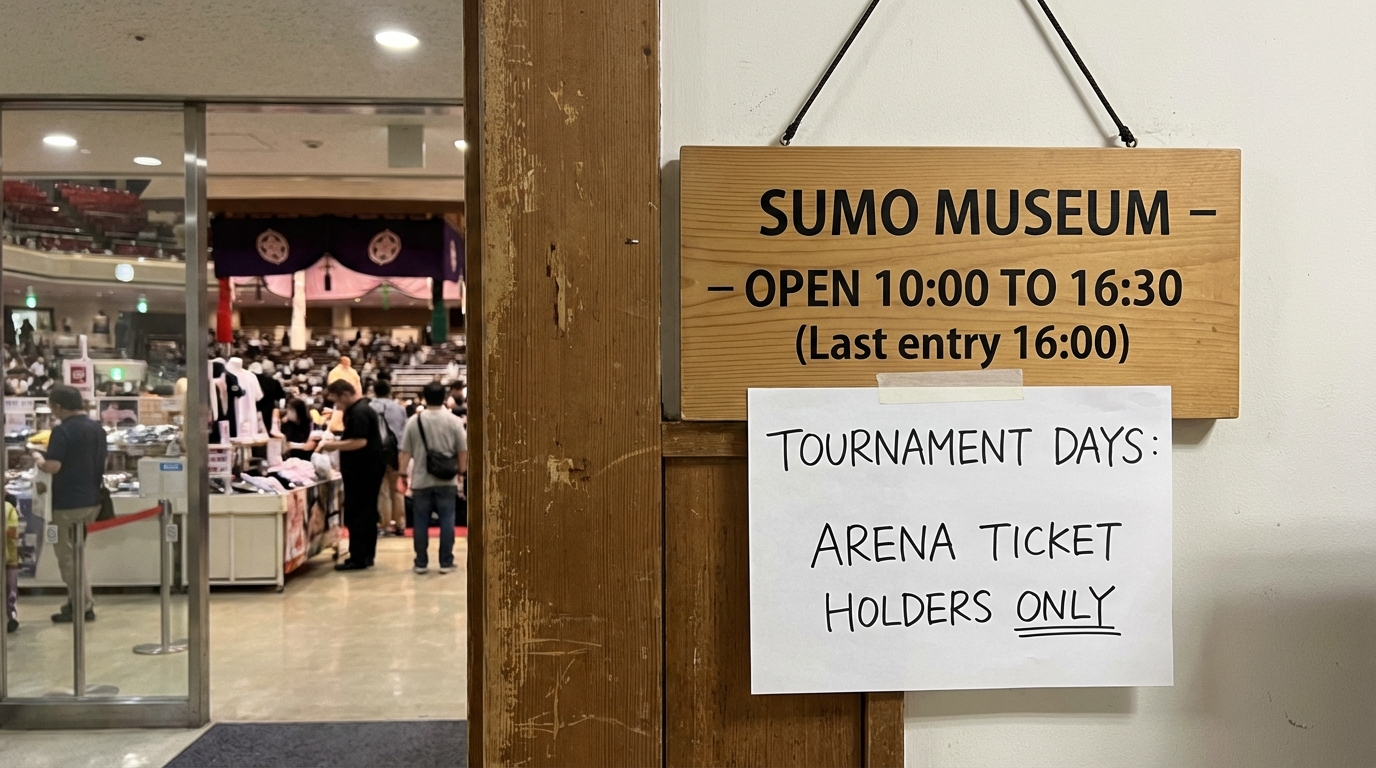
The museum sits inside the ticketed perimeter. If you have a seat—cheap nosebleed or fancy ringside box, doesn’t matter – you can wander in between bouts. Acts as a break room for fans. Crowded. Imagine hundreds of people squinting at ancient scrolls while holding sake. Chaotic, loud, and honestly? A total blast. But if you don’t have a ticket, you aren’t getting in. Period.
Visiting the Museum on Non-Tournament Days: Free Entry and Walk-In Rules
Visiting in June? August? Perfect. Stadium is dead quiet. Banners down.
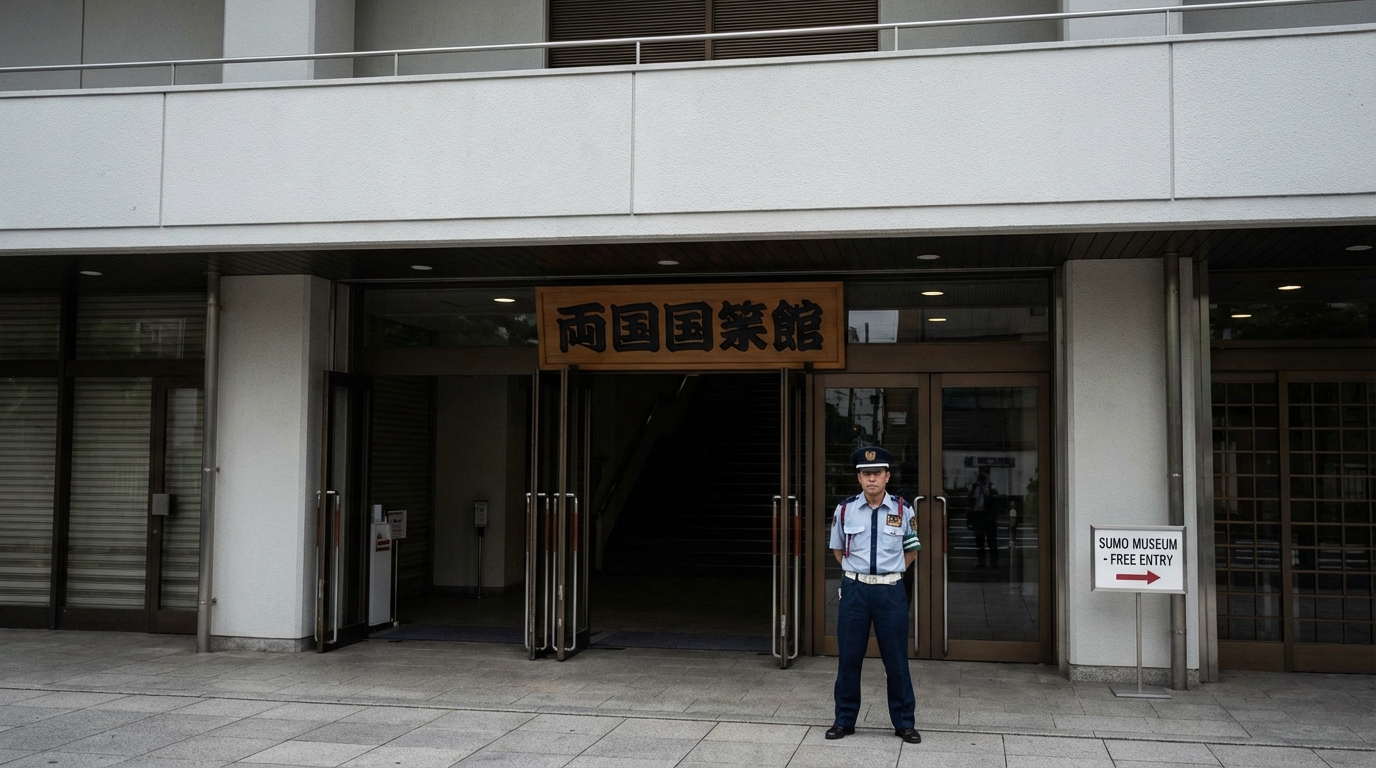
On non-tournament days, walk into the Ryogoku Kokugikan’s main entrance, turn right, and enter for free. There’s usually a security guard who looks bored but stern – just nod.
The “Closed” Trap:
I’ve seen tourists ruin their trip here. The museum is generally closed on weekends and national holidays during non-tournament periods. Government-style schedule. Plan a Saturday trip in April and you find locked doors. Check the official schedule. It changes unpredictably.
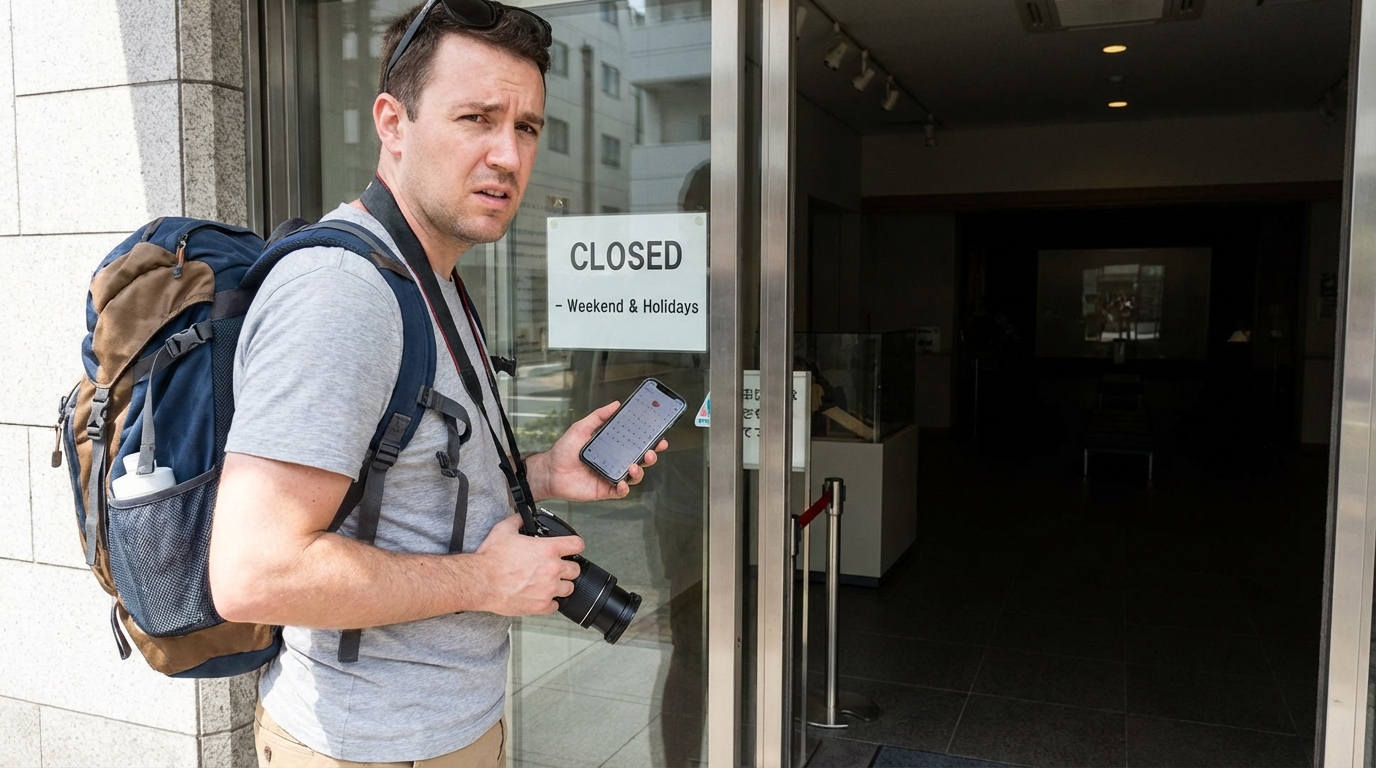
Also, just one room. Don’t expect a two-hour walkthrough. It’s a dense, weird 20-minute dive into history.

The Open-Air Museum: Free Street-Level Exhibits
If you arrive and find the museum closed – or if you just want to soak up more history—the street outside is practically a museum itself.
- The Handprint Walk: Kokugikan-dori street. Look down. You will see bronze handprints of past Yokozuna. Terrifyingly large. Place your hand against them. Humble yourself.
- The Rikishi Statues: Bronze statues of wrestlers performing ritual moves (like the dohyo-iri). Lining the sidewalks. Incredibly detailed – muscle structure and intensity.
- The Height Chart: Inside the JR station complex. Often a life-sized panel of current stars. Standing next to a 6’4″, 400lb cutout really puts the “giant” aspect into perspective.

Top-Rated Walking Tours Combining the Museum with Ryogoku History
Since the museum is a quick visit, best way to do this is to bundle it. Ryogoku drips with history you will miss if you don’t know where to look.
Look for tours that include Ekoin Temple. This is non-negotiable. Before the massive stadiums, tournaments were held outdoors here. Massive stone monument dedicated to past wrestlers. Eerie. Beautiful.
Good guides also take you past the heya (stables). Can’t just barge into these. But seeing the buildings from the outside? Giant wooden nameplates? Cool. You might spot a wrestler in a yukata biking to the convenience store. Surreal sight – a 150kg giant on a tiny bicycle. A guide adds value here explaining the hierarchy. The brutal training behind those walls.
Best “Sumo Town” Food Tours Featuring Chanko Nabe Lunch
You cannot talk sumo without talking food. Chanko Nabe. Massive protein stew. Builds bulk.
Booking a tour that ends with a Chanko lunch is the pro move. Why? Because these restaurants are intimidating. Loud. Menus often handwritten in script you can’t read. Portions are frightening.
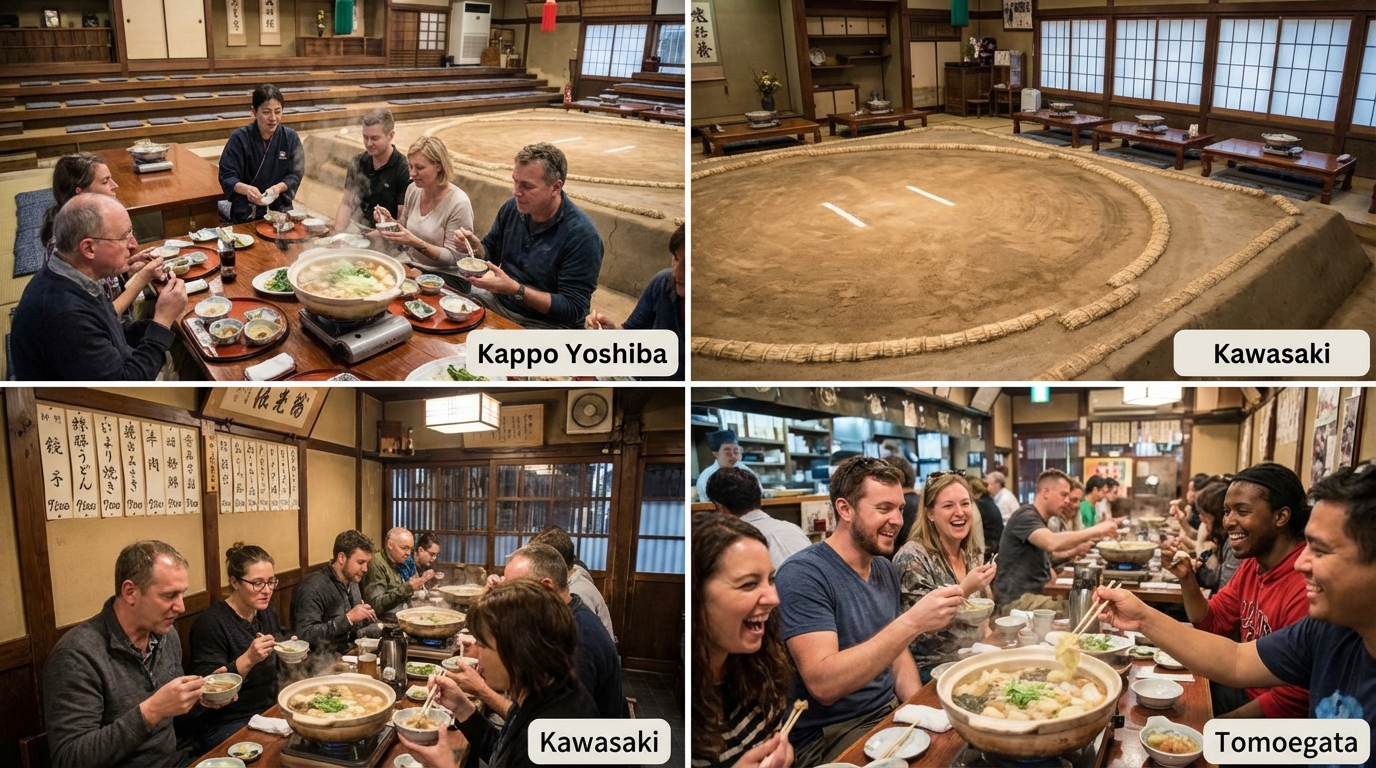
- Kappo Yoshiba: High-end tours book here. Built inside an old sumo stable. Full-sized dohyo (ring) in the middle. Eating soup staring at sacred clay. It’s insane.
- Kawasaki: The oldest Chanko place in Tokyo. Hard to get into. Traditional. If a tour lists this, book it immediately.
- Tomoegata: Classic. Great broth. Locals love it.
Most “Sumo Town” tours hit these spots. Breaks up the walking and gives you a chance to ask your guide the weird questions you were too shy to ask earlier. Like “how do they wipe?”
Shopping the Kokugikan: Souvenirs You Actually Want
Museum prohibits photos. The shop inside the Kokugikan (accessible even on non-tournament days, usually) is fair game. This isn’t your typical “I love Tokyo” magnet shop.
- Sumo Chocolate: Shaped like wrestlers. Kitschy but delicious.
- Ranking Sheets (Banzuke): Official copies of calligraphy-heavy ranking sheets. Cheap. Look amazing framed back home.
- Rikishi Towels: Fans don’t wear jerseys; they hold up small towels with names. Buying one is the ultimate flex.
- The Smell: Can’t buy the smell, but the shop sells hair oil. Items with that bintsuke fragrance – weet, vanilla-chamomile scent. Defines the sumo world.
Beyond the Arena: Building a Full Day Ryogoku Itinerary
Finished the museum and lunch in 3 hours? Don’t leave yet. Area is a cultural hub.
1. The Sumida Hokusai Museum:
About a 9-minute walk. Architectural marvel – looks like a giant silver slit in the neighborhood fabric. Dedicated to Katsushika Hokusai, the “Great Wave” guy. He lived here. High-tech, interactive. A perfect artistic counterweight to the physical brutality of sumo.
2. The Japanese Sword Museum:
Want to stick with the “Warrior” theme? Walk to Kyu-Yasuda Garden area. Japanese Sword Museum is there. Not just weapons. Treats the katana as high art. Craftsmanship is mind-blowing.
Important Warning (2025 Update):
Older guidebooks will recommend the Edo-Tokyo Museum. Massive spaceship building next to the stadium. It is currently CLOSED for renovations until late 2025 or early 2026. Do not plan your day around it.
Where to Book: Recommended Platforms for English-Speaking Guides
Don’t just Google “Sumo Tour” and click the first shady link. Stick to big platforms where reviews keep the quality high.
- Magical Trip: Solid “Tokyo Sumo Town” tour. Guides are usually younger, speak great English. Like hanging with a friend.
- Viator / TripAdvisor: Good for “skip the line” style tickets or private guides. Look for “Badges of Excellence.”
- ByFood: Care more about Chanko Nabe than history? Book here. Culinary focus.
- GetYourGuide: Reliable. Easy cancellation policies.
I usually recommend Magical Trip for the vibe. Compare prices though. Some include lunch cost, some don’t. Read the fine print.
Booking Timeline: When to Pull the Trigger
Booking a simple walking tour on a non-tournament day? 1-2 weeks in advance is usually fine.
But if you are trying for January, May, or September and want a ticket included? You need to book months ago. Tournament tickets sell out in minutes. Tour operators buy blocks of tickets. Sometimes booking a tour is the only way to get a seat if you missed the general sale—but even those slots vanish fast.
Alternative Authentic Experiences: Morning Stable Practice Visits
If the museum sounds too “museum-y” and you want raw action… you need a Morning Practice (Asageiko) tour.
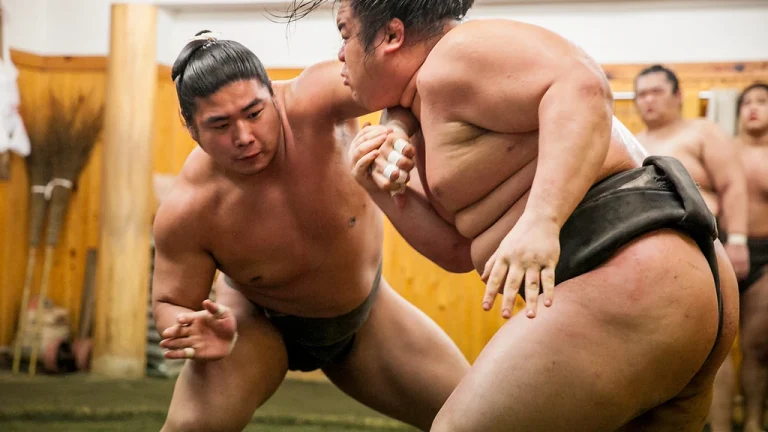
This is not a museum. This is real life. You sit on the floor of a stable from 7:30 AM to 9:30 AM. Watch wrestlers smash into each other a few feet away. Sound of skin slapping skin is deafening.
Warning: Generally cannot book direct (unless you have connections). Must go through a tour operator like Klook or GetYourGuide.
- Arashio Stable: Famous because of the large window you can look through from the street. Free. Crowded.
- Guided Practice Tours: Pay about $80-$120 USD. Guide gets you inside, seated. Explains rituals silently. Intense. You cannot talk. You cannot move. Your legs will fall asleep. But it is the most authentic thing you can do.
Tips for Etiquette and What to Expect Inside the Sumo Museum
Museum is small. Rules are strict.
No Photography.
Seriously. Put the phone away. Very old-school. Exhibits include fragile woodblock prints. Staff will yell at you—politely, but firmly—if you snap a pic.
Quiet Respect.
Sumo has Shinto roots. Semi-religious. Museum isn’t a funhouse; it’s a tribute. Don’t run, don’t eat, don’t be loud.
What you’ll see:
Banzuke (ranking sheets) in crazy thick calligraphy. Kesho-mawashi (aprons) that look like tapestries. Maybe a Yokozuna’s rope. Changes every couple of months.
Just soak it in. Rare glimpse into a world that hasn’t changed much in 300 years. Weird, beautiful. Totally Japan.