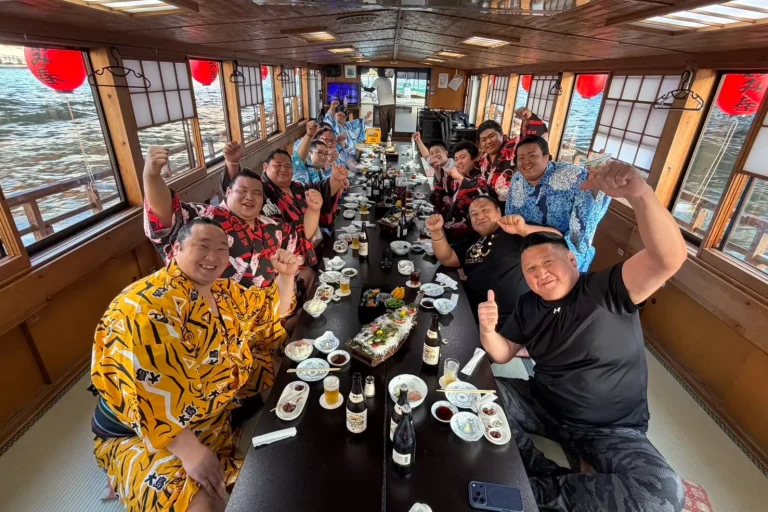
Let’s just get into Ryogoku. You step off the JR Sobu line and it hits you instantly. A literal wall of gravity. You don’t need Google Maps to find the center of the sumo universe because you’ll just track the smell of simmering meat broth hanging in the humid air, or maybe you’ll blindly crash into a 300-pound behemoth wearing a breezy yukata while he buys a tiny canned coffee outside FamilyMart. Gritty neighborhood. I absolutely love it here. The Kokugikan arena squats over the skyline like an oxidized green turtle.
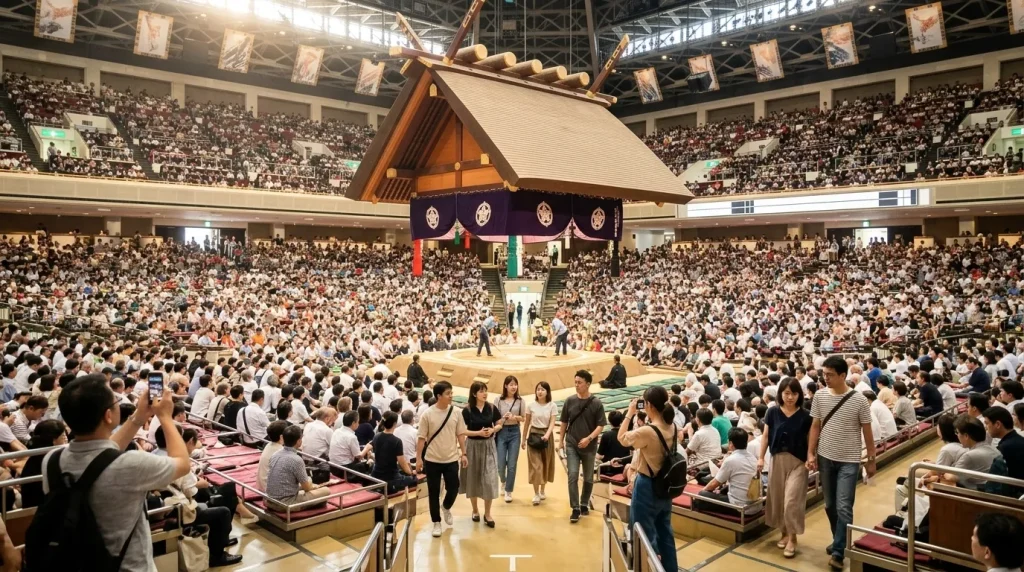
Tourists usually jet in for a single match and bolt. Huge mistake. The Edo period is baked deep into the dirty pavement here. You walk past these dusty little craft workshops crammed right up against the sumo stables where the elite train – it makes no sense. The contrast is completely jarring. Honestly wandering around feels like stumbling onto some chaotic movie set where half the actors are gladiators living in insane hierarchical compounds. Intimidating vibe at first. The drumming pounds in your chest and the banners flap endlessly. But then you spot one of these mythical warriors awkwardly pedaling a squeaky mamachari bicycle down an alley… I burst out laughing. They run errands like normal people.
How to Attend One of the Sumo Grand Tournaments in Tokyo
Securing a honbasho ticket is pure blood sport.

I mean it. Aiming for the 2026 tournaments in January, May, or September at Ryogoku Kokugikan means you are fighting a digital war. General sales open roughly a month before day one. Poof. Gone. Vanished into the ether. Just grab a weekday ticket I think. Nosebleed chair seats run around 3,500 yen. Honestly they do the job and you can still hear the wet meat-slap when two absolute units collide at center stage. Got cash burning a hole in your pocket? Masu-seki box seats. They jam four humans onto a floor square and your knees will scream in white-hot agony after sitting cross-legged for an hour but the authenticity is undeniable. Sitting on a flat cushion tearing through greasy yakitori skewers while men toss each other into the dirt.
Use the official Ticket Oosumo website. The English interface is garbage. Real clunky garbage but it gets the transaction done. People try messing with third-party scalp sites and get completely scammed out of their vacation funds. Don’t do it. My first time down in a Tamari ringside seat I thought my life was over. They fall into the crowd. Literally crushing people. It’s madness.
Decode the Dohyo: Understanding the Ancient Shinto Rituals
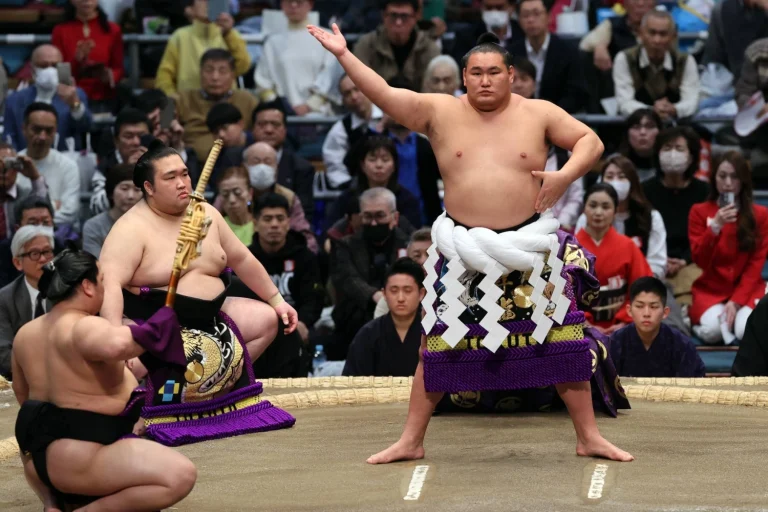
Before flesh even meets flesh there is just an ocean of theater. It’s deeply religious stuff. Ancient Shinto rituals initially thrown together to entertain random gods and beg for a decent harvest.

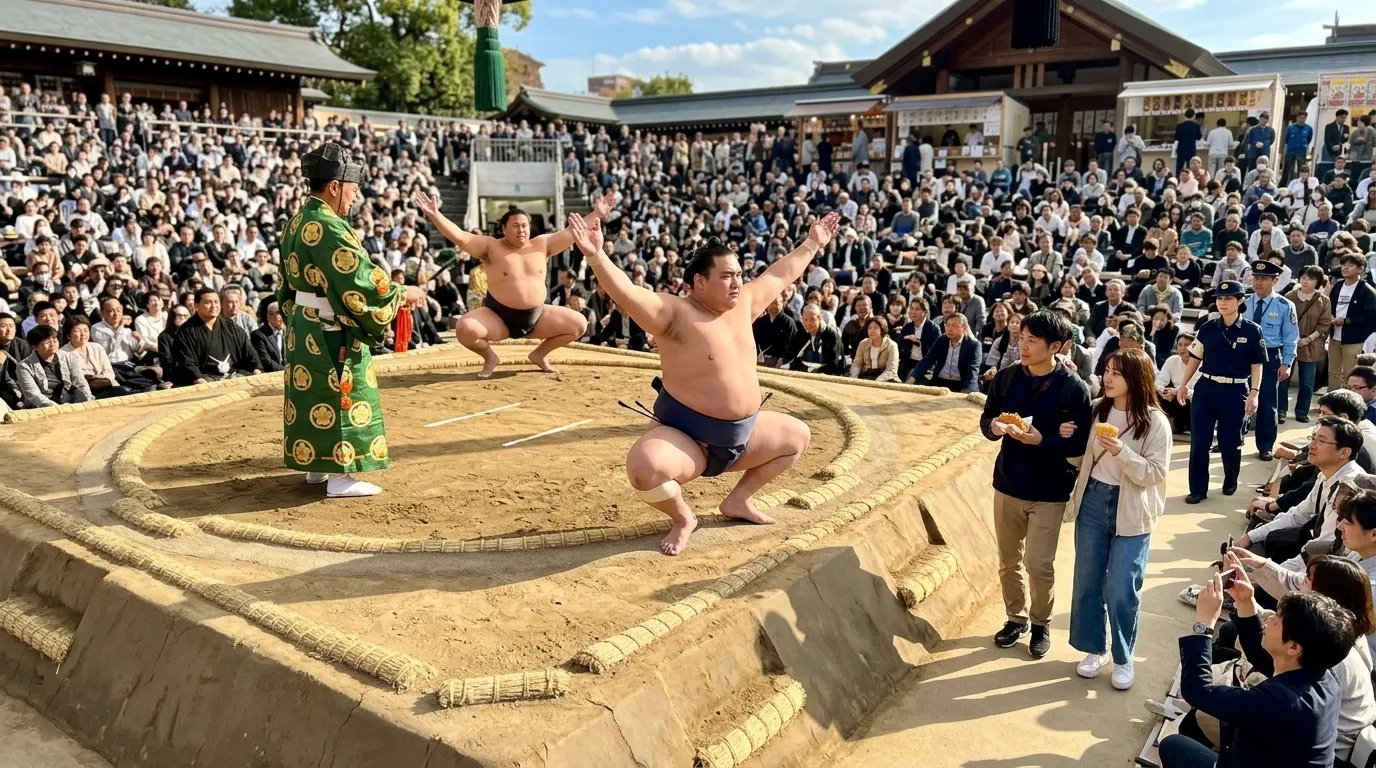
Stare up at the floating roof above the ring (the yakata). Shinto shrine representation. Four colored tassels dangling from the edges for the four seasons. Then look at the referee down below. The gyoji isn’t a guy in a striped Foot Locker shirt. He’s rocking full Heian-period priest gear with the weird black hat and blindingly colorful silk robes.
Then the salt happens. Wrestlers scoop up brutal fistfuls of coarse salt and yeet it at the sky before they fight. Cleansing the sacred clay of the dohyo and casting some spiritual armor against blown-out knees. Some guys do a pathetic little sprinkle. Other absolute showmen hurl massive blinding white clouds into the stadium rafters and the crowd loses its mind. Lifting their massive legs and slamming them down – the shiko move – isn’t a hamstring stretch. They’re stomping the life out of invisible evil spirits. It takes a ten-second shoving match and injects it with heavy spiritual dread.
Step Inside a Stable: Join an Authentic Sumo Training Experience
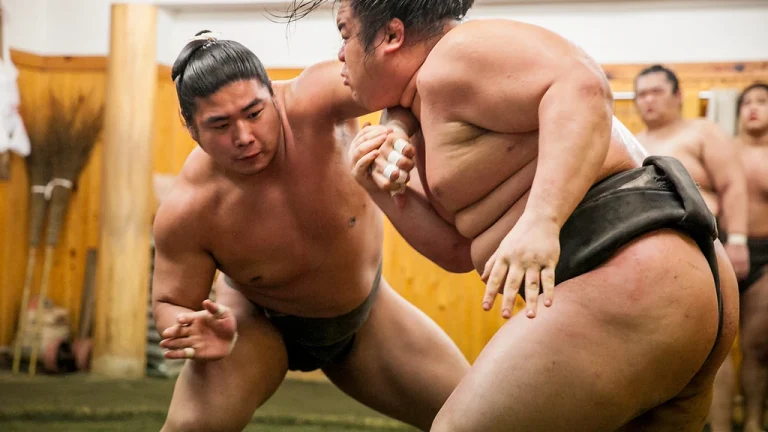
Raw violence. Not a staged show.
Sneaking into an asa-geiko morning practice used to be totally impossible for foreigners but now guided tours exist. Look up Wabunka or the Magical Trip morning tour. Might cost around 26,000 yen depending on who you book.
AI Planning your trip? Ask AI Tokyo Concierge
Get personalized help based on this guide, your travel dates, budget, and plans.
You just sit on the rough tatami floor. Dead silence. Just heavy wet breathing and calloused feet ripping across the clay. Keep your mouth shut. Turn the flash off. Do not point the soles of your feet at the ring – the disrespect is unimaginable and they will hate you for it. The sickly sweet smell of bintsuke hair wax bleeding into damp dirt and human adrenaline.

Everything revolves around the banzuke sumo ranking system. Total dictatorship. Stuck in the lower divisions like makushita or worse? You are a servant. Waking up at 6:00 AM to scrub filthy toilets and cook breakfast for zero salary. Just a trash allowance. Win enough to crack the top makuuchi or juryo divisions and you ascend to sekitori status. Reality flips overnight. Monthly paycheck, a private room, the right to drape yourself in brilliant shiny silk instead of scratchy cotton rags. The guys who used to beat you up are suddenly scrubbing your massive back in the bath. Brutal meritocracy.
I wanted to leave my first time. Terrified. The stablemaster barks vicious orders while low-rank kids get shoved until they physically collapse. Uncomfortable to watch.
Two hours of it. You can’t just stand up and bail because you’re bored. But then practice abruptly ends and the aura snaps. Suddenly they’re smiling. Flashing goofy peace signs for your iPhone camera. Whiplash.
Eat Like a Champion: Enjoy a Chanko Nabe Lunch With Sumo Wrestlers
Eating chanko nabe is mandatory. Elite bulk-up fuel.
Massive hot pot loaded with chicken meatballs, slabs of tofu, cabbage, alien-looking mushrooms, some kind of gelatinous seafood. Usually a chicken broth because chickens stand on two legs which equals winning. Four legs equals losing like an animal. Bizarre superstition but sure. Hit up Yokozuna Tonkatsu Dosukoi Tanaka. Stupid name yes. Run by an ex-wrestler. They run this totally unhinged lunchtime show where retired pros do comedy bits and explain grappling techniques. Challenge them in the fake ring if you want. You will eat dirt.
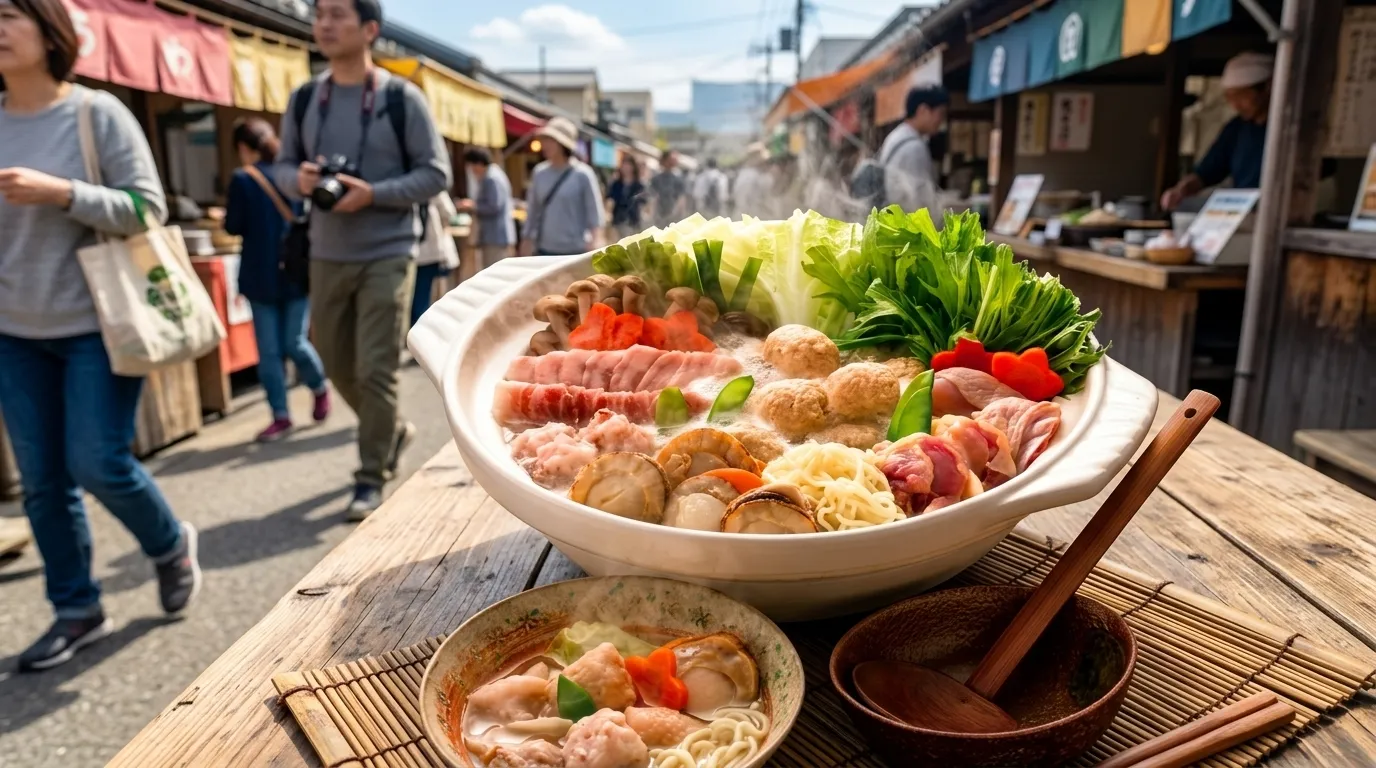
Chanko Kirishima is another one. Ex-ozeki owns it. Obscenely good food. Salty and rich. Slurp it down with thick udon noodles. I cram so much into my stomach I practically pass out on the train later. Weird how you expect a gladiator diet to be disgusting slop but it’s just ultra-fresh healthy stuff served in psychopathic quantities. Best meal in the city I think.
Technically only a rikishi can brew real chanko. The lower-rank teens cook for the whole stable. Sweating over a bubbling cauldron.
Bring Home the Glory: Where to Buy the Best Sumo Souvenirs
Merch is everywhere in Ryogoku. Tables outside the station peddling weird wrestler face fans and bath towels. Want the real collector flex though? Track down a tegata. A literal life-sized ink handprint from a top-tier wrestler slammed onto a stiff shikishi paper board with their messy calligraphy signature. Heavy good-luck talismans meant to radiate strength into your house. Grab one at the Kokugikan gift shop. Or Takahashi – this stellar cramped shop down the Keiyo Doro avenue. Here is our complete guide.
Food souvenirs matter too. Ryogoku Kokugido is a historic sweets dealer functioning since 1923. Buy a box of anko arare. Crunchy rice crackers stuffed with sugary red bean paste and shaped precisely like a half-sumo ring. Walk across the street to Lion-do for a joke. A giant clothing store for massive dudes. Staring at a pair of jeans with a 64-inch waist dangling from a hanger . . . it snaps the sheer terrifying scale of these athletes into sharp focus.
Beyond the Matches: Explore Ryogoku, the Center of Sumo Culture in Tokyo
Loincloths aren’t the only thing here. Heavy history in these streets. Wander over to Ekoin Temple. Before massive indoor concrete arenas existed they fought outdoor tournaments in the dirt of this temple for a century. There’s a weathered stone monument for dead champions. Quiet spot.
Sumida Hokusai Museum is wild. Just aluminum panels violently slicing into the sky. And obviously the Edo-Tokyo Museum. Four grueling years of renovations and it finally unlocks the doors again on March 31, 2026. Non-negotiable visit. Besides the giant wooden bridge replicas they built a life-size reproduction of the Meiji-era Hattori Watch Shop. The literal birthplace of Seiko. Totally immersive and the easiest way to cram Tokyo’s evolution into your brain.
Sometimes I ditch the museums and just stare at the Sumida River. Murky water. Ryogoku Edo Noren is right there inside the old train station architecture. A replica sumo ring sitting awkwardly in the middle of a food court. Kinda tacky-looking but I love it anyway. Walking off the chanko nabe coma. Yokozuna handprints stamped into the bronze street monuments. Pressing your tiny average hand against their massive alien palms… yeah. You are nothing. Go get lost in the alleys.